
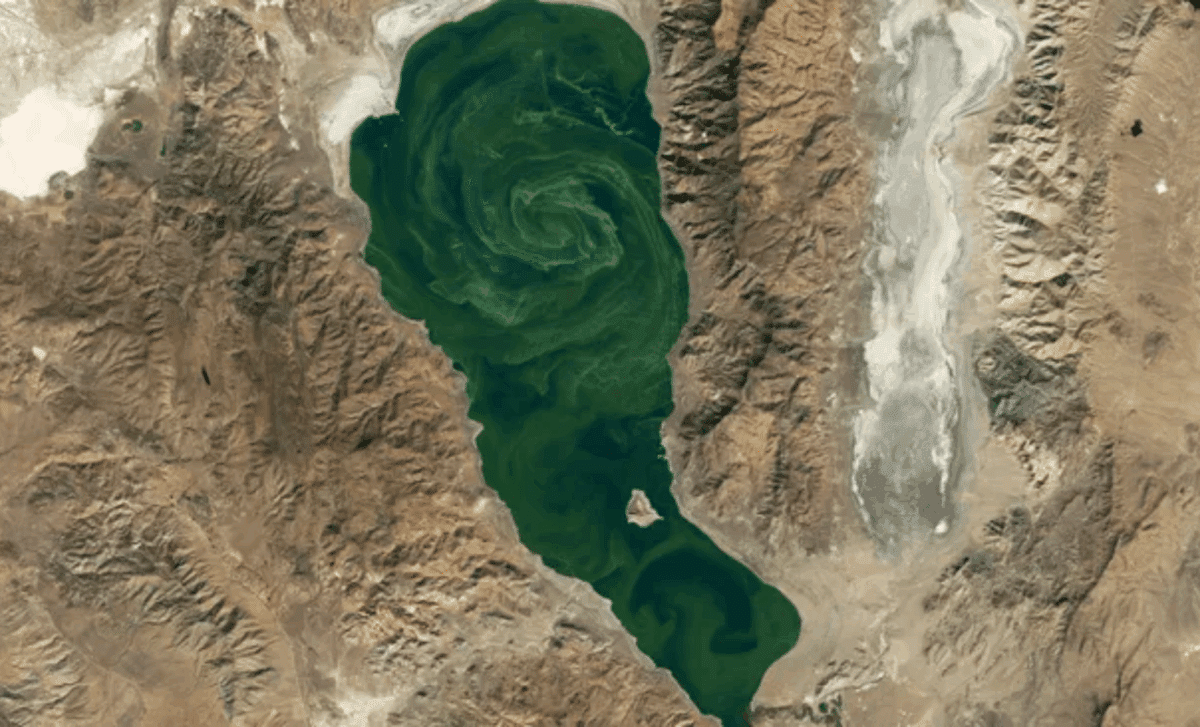
In October 2024, an extraordinary toxic algae surge was observed at Nevada’s Pyramid Lake, captured vividly by satellite imagery as swirling green formations. Although this remote desert lake regularly experiences such blooms, this year’s event stood out for its remarkable scale and intensity.
Scientists are investigating the factors behind this unprecedented bloom.
The captivating image, taken by NASA’s Landsat 9, unveils a deeper environmental concern masked by the lake’s natural beauty.
A Desert Oasis Facing Persistent Danger
Situated in northwestern Nevada’s arid region, Pyramid Lake has a long history of algal growth. This salty and alkaline lake is prone to blooms of cyanobacteria, particularly Nodularia spumigena. While these bacteria have evolved to survive in extreme conditions, recent blooms have become increasingly toxic, with 2024 marking a particularly severe episode.

The lake’s closed basin system — meaning it has no outflow — results in high salinity levels, creating ideal conditions for species like N. spumigena during autumn when temperatures rise and nutrients build up.
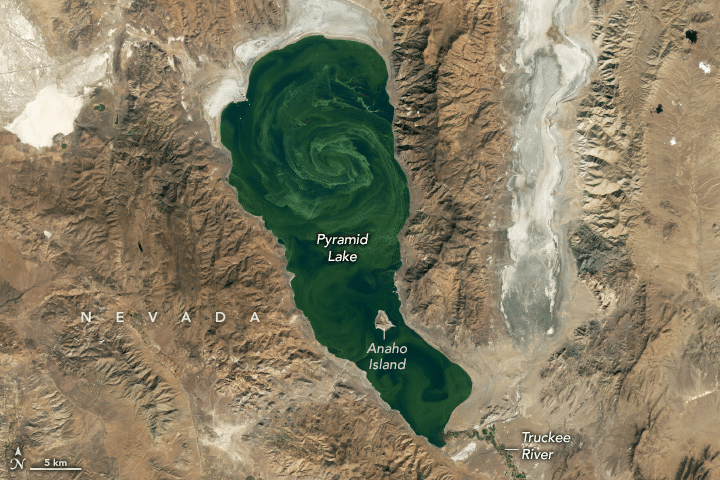
According to NASA’s Earth Observatory, the bloom recorded on October 8, 2024, by the Landsat 9 satellite was one of the most intense ever documented at Pyramid Lake. The distinct swirling green patterns indicate thick clusters of toxin-producing algae that emit nodularin, a compound harmful to both animals and humans alike.
Following these findings, authorities cautioned local residents to avoid letting pets near the lake during the bloom. While seasonal blooms are common, the unusual magnitude and timing of this year’s event have sparked concern, prompting further examination of climatic shifts, changes in water chemistry, and the fragile balance of the lake’s ecosystem.
From Ancient Seas to Modern Environmental Challenges
Long before environmental alarms, Pyramid Lake was part of the vast prehistoric Lake Lahontan, which spanned nearly 8,000 square miles before retreating approximately 9,000 years ago after the last Ice Age. Today’s smaller Pyramid Lake preserves ecological legacies from that time, with Nodularia spumigena possibly surviving through those millennia as a living remnant of this ancient environment.
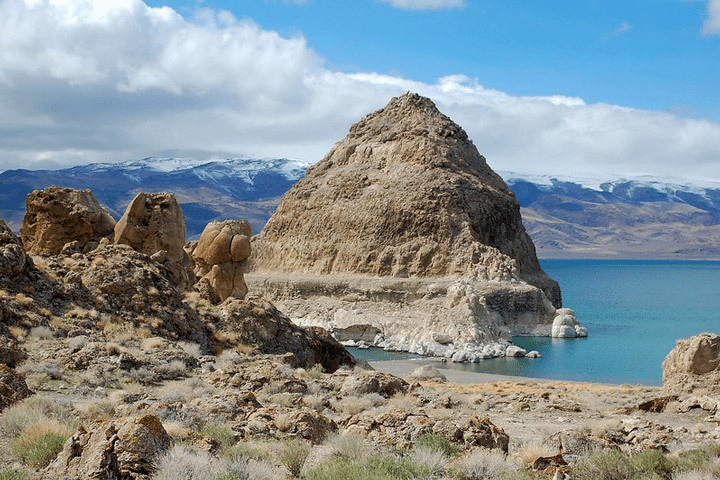
The lake supports unique biodiversity, including the endangered cui-ui fish (Chasmistes cujus), which subsists on algae and exists nowhere else on Earth. The shoreline is also marked by distinctive mineral formations called tufas, including the pyramid-shaped rock that inspired the lake’s name.
This remarkable setting now faces a rising ecological threat. Toxic blooms that have existed for centuries are intensifying due to modern factors like climate fluctuation, human activity, and water resource management, signaling a shifting environment visible even from space.
Unraveling the Causes Behind the Bloom's Surge
Scientists have noted significant year-to-year variability in bloom strength at Pyramid Lake but do not yet fully understand the underlying causes. A 1990 study analyzing 15 years of data linked algal activity to traditional factors such as salinity, temperature, and nutrient loads.
However, the extraordinary scale and toxicity seen in 2024 suggest emerging influences, potentially tied to climate change, decreased inflow from the Truckee River, or changing land use within the watershed.
These uncertainties complicate efforts to manage and mitigate bloom impacts. Satellite data is invaluable for tracking bloom extent, but comprehensive on-site testing is essential to measure toxicity levels, bloom duration, and effects on native wildlife. The lake's significance to the Pyramid Lake Paiute Tribe and regional communities heightens the importance of sustainable stewardship tied to water rights, land use, and ecological health across the Great Basin.
A Vibrant Sign of Stress and Urgency
What appears as a swirling green spectacle from orbit is actually a sign of an ecosystem under strain. Rising temperatures and altered precipitation patterns brought by climate change threaten to increase the frequency and severity of harmful algal blooms in inland saline lakes like Pyramid Lake.
The latest NASA satellite image underscores the persistent environmental challenges facing these vulnerable habitats. From ancient cyanobacterial populations to new ecological pressures, Pyramid Lake’s evolving story highlights the critical need for research, monitoring, and community-led conservation to safeguard both natural heritage and human well-being.
- Categories:
- Science









0 comments
Sign in to Comment