
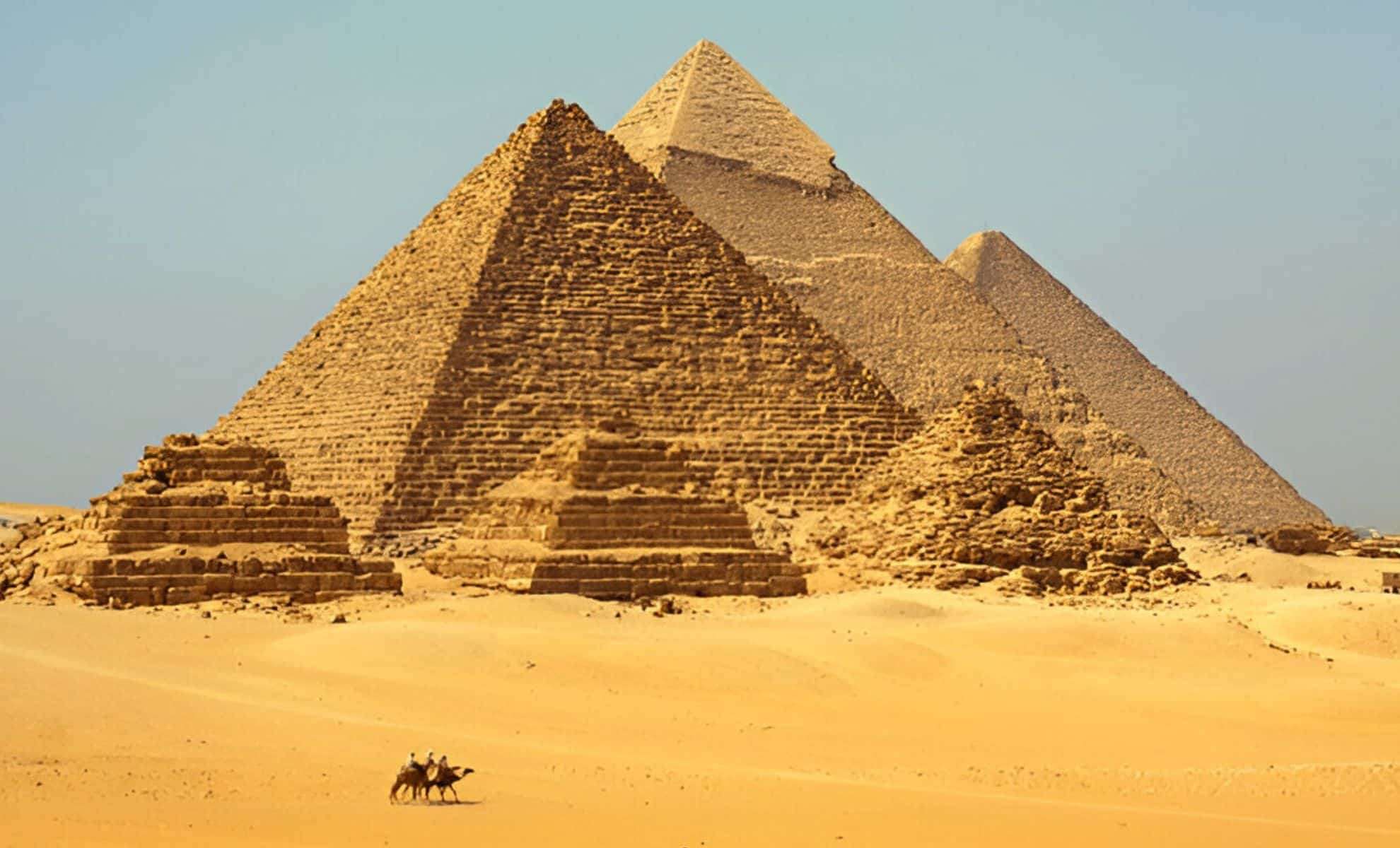
For hundreds of years, how Egypt’s iconic Great Pyramid was constructed has captivated historians and researchers alike, spawning countless theories. While it was long assumed that slaves were forced into labor, recent archaeological findings offer a transformative perspective. These discoveries highlight the role of highly skilled, compensated workers operating within an organized system, shedding fresh light on the pyramid’s builders and their innovative construction methods.
Expert Craftsmanship, Not Slavery, Behind the Monument
Recent digs around the Great Pyramid have revealed compelling proof that disputes the old belief that slaves constructed it, reports Daily Mail UK. Leading Egyptologist Dr. Zahi Hawass spearheaded an excavation team that uncovered inscriptions and tombs attributable to skilled workers, clearly showing the monumental structure was crafted by paid artisans, not enslaved individuals. This finding overturns the ancient notion that 100,000 slaves endured grueling conditions over two decades to build the pyramid.
Among the discoveries were graffiti markings left by the builders themselves, directly linking them to the pyramid’s construction. Dr. Hawass remarked, “Had they been slaves, they would not have been honored with burial sites near the pyramids. Preparing their tombs shows they held respected status, unlike the enslaved.” These inscriptions confirm the workers enjoyed considerable social standing, defying prior ideas of their servitude.

Uncovering the "Worker’s Settlement"
Among the most groundbreaking finds is the unearthing of a "worker’s settlement" situated east of the Great Pyramid. This complex included bakeries, living quarters, and other essential amenities, serving the skilled workforce responsible for the pyramid’s construction.
Extensive animal bones were also found, including those of cows and goats, revealing that the workers’ diet was far richer than once assumed. Evidence suggests daily provisions supported up to 10,000 laborers, indicating they were well nourished and cared for.
This ancient community provides a valuable window into the lives of the pyramid builders, illustrating an organized workforce housed in dedicated settlements and supplied with necessary resources. Such findings starkly oppose previous assumptions that depicted the workers as poorly treated and malnourished.
Revealing Sophisticated Building Strategies
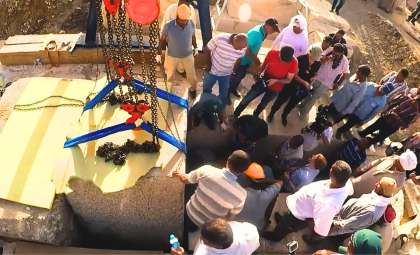
Beyond the workers’ living conditions, the research uncovered evidence of advanced engineering methods deployed during construction. Utilizing cutting-edge imaging technology, Dr. Hawass’s team identified remnants of ramp systems made from rubble and mud southwest of the pyramid. These ramps facilitated the movement of massive limestone blocks from nearby quarries to the site.
The pyramid’s construction process featured a highly coordinated effort, with specialized teams assigned specific roles—some shaping stones, others hauling them on wooden sleds slid across sand. This organization and use of sophisticated techniques dispel earlier notions that primitive methods were used to erect the monument.
Anticipating Insights from the "Big Void"
Alongside construction revelations, Dr. Hawass’s team is preparing to investigate the mysterious “Big Void,” a large chamber discovered in 2017 above the pyramid’s Grand Gallery. Measuring roughly the size of two trucks, this enigmatic space remains largely unexamined. Plans are underway to deploy a small robot to explore inside, potentially unveiling new information about the pyramid’s creation.
Dr. Hawass expressed enthusiasm for this upcoming mission, scheduled to commence in early 2026. “The Big Void may contain further clues about the pyramid’s construction and the craftsmen behind it,” he noted. This expedition will mark the first modern scientific attempt to access this secretive chamber.
- Categories:
- Science






0 comments
Sign in to Comment