
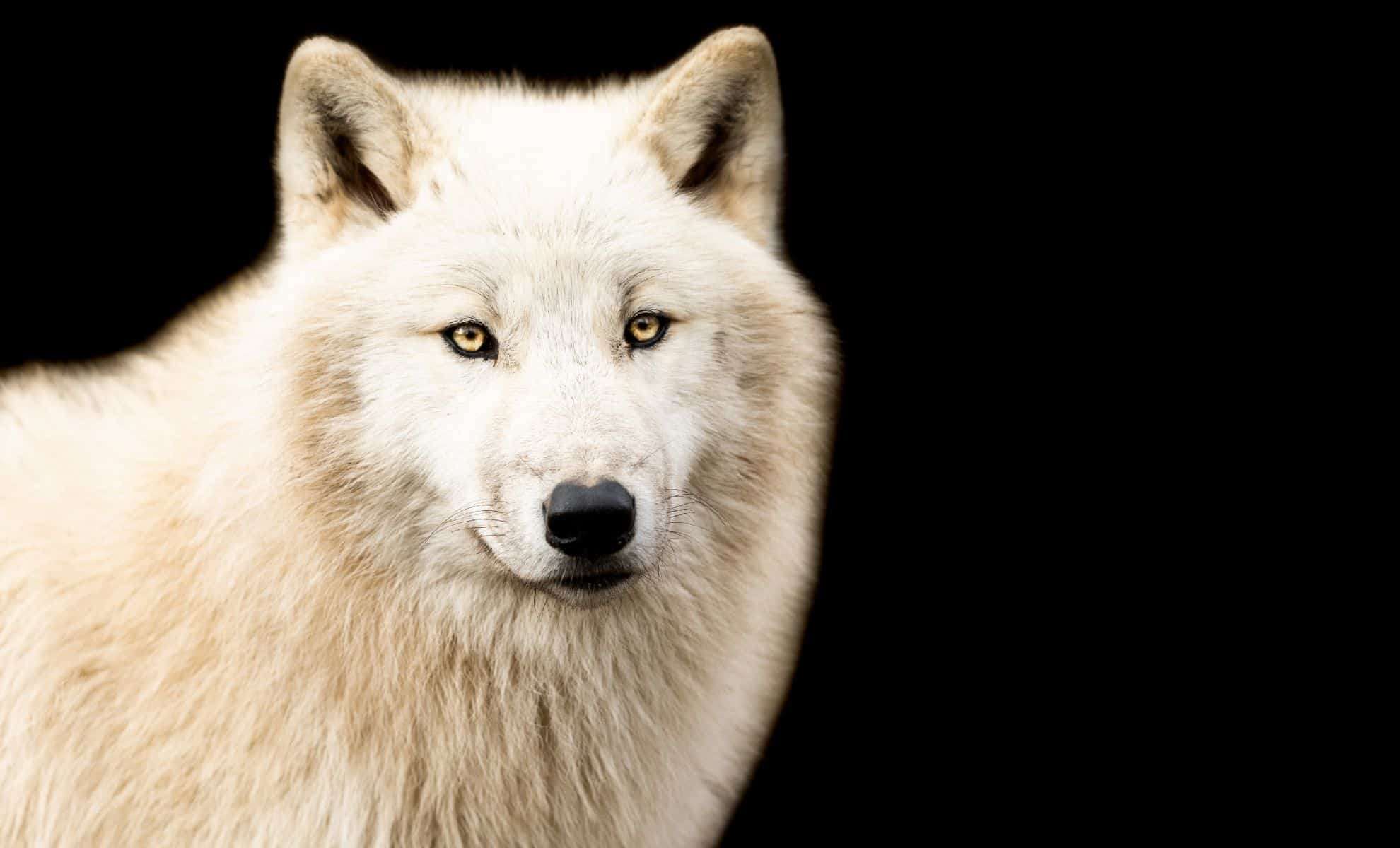
Colossal Biosciences Inc recently revealed two genetically engineered wolf pups designed to resemble the extinct dire wolves, igniting widespread interest. However, this development masks a complicated mixture of genetic manipulation, embellished stories, and a concerning distraction from pressing wildlife conservation efforts.
A Facsimile, Not an Actual Resurrection
The creatures presented as dire wolves are not genuine returns from extinction. They are gray wolves modified through genetic editing to mimic the presumed appearance of dire wolves.
According to reports, “They are gray wolves with 14 genes altered to look like what scientists believe a dire wolf once looked like,” with only one of those genes sourced from real dire wolf DNA.

A vivid analogy offered suggests this is akin to “resurrecting Napoleon by having a short Frenchman don his hat.” Essentially, this is a crafted predator, assembled from existing wolves to simulate the extinct species rather than genuinely revive it.
Rewilding Dreams vs. Reality
Proponents argue these efforts can help restore ecosystems, citing the Yellowstone gray wolf reintroduction in the 1990s as a successful example of predator-driven ecological recovery achieved without genetic alteration.
Dire wolves disappeared roughly 10,000 years ago, and their ecological roles have been taken over. As highlighted, “In regions where the dire wolf would once have dominated, the gray wolf effectively occupies the same niche—without the need for complex technology.”
Challenges in Returning Captive-Bred Predators to the Wild
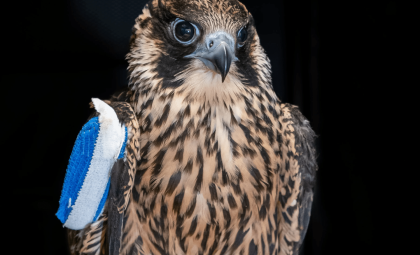
Releasing captive-bred animals into natural habitats poses significant difficulties, even within species currently thriving. The experience of Operation Migration, which guided birds on migratory routes via ultralight aircraft, exemplifies the intense effort required to teach survival behaviors.
As noted, “Training apex predators by example is particularly challenging—I certainly wouldn’t volunteer for a ‘pack hunting initiation’ session.”
The Risk of Undermining Extinction Awareness
These attempts at de-extinction may inadvertently promote the mistaken notion that extinction can be undone, threatening current biodiversity preservation campaigns.
If society begins to believe that vanished species can be effortlessly revived, the critical sense of urgency to safeguard endangered environments and animals may diminish.
The first dire wolf howl in over 10,000 years pic.twitter.com/Z4PSKdjzYI
— Nature is Amazing ☘️ (@AMAZlNGNATURE) April 7, 2025
Extinction as an Inevitable Component of Our World
This initiative resurrects not only a predator but also a narrative that conceals the underlying drivers of widespread species loss, such as intensive farming, greenhouse gas pollution, and unrestrained economic growth.
The concluding caution in the article featured on Phys.org is clear: “We will all suffer from the false belief that extinction is no longer permanent, since those lost species are seen as merely temporarily displaced from existence.”
This issue extends far beyond wolves, reflecting the narratives that enable complacency—and the very real species at risk because of it.
- Categories:
- Science




0 comments
Sign in to Comment