
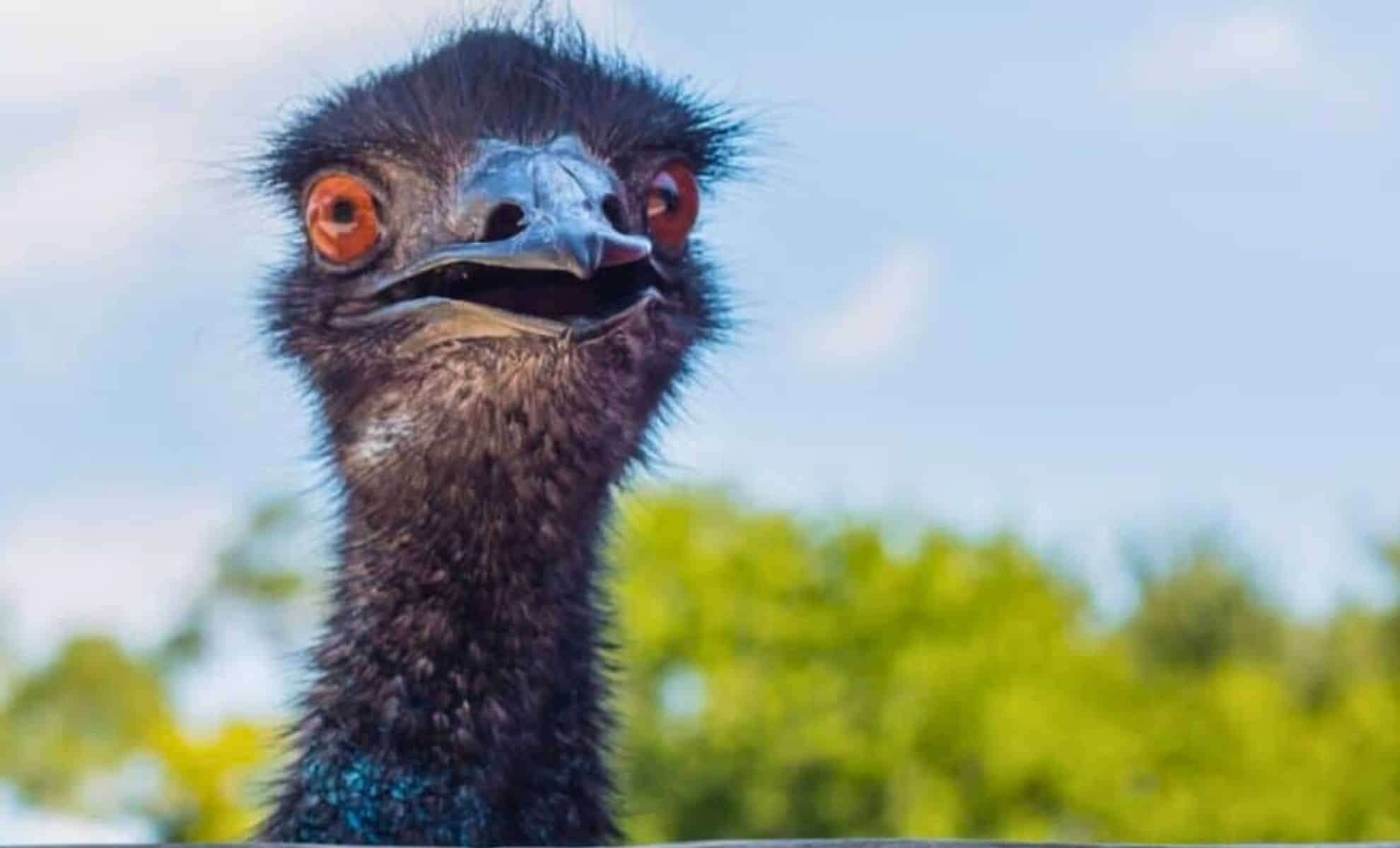
For quite some time, emus and rheas have been underestimated as among the least cognitively capable birds. However, recent findings indicate they demonstrate greater inventiveness than commonly believed.
A study featured in Scientific Reports reveals that these large, flightless birds—some of the closest living descendants of dinosaurs—exhibit technical creativity when challenged with accessing food.
Rethinking the Intelligence of Supposedly “Simple” Birds
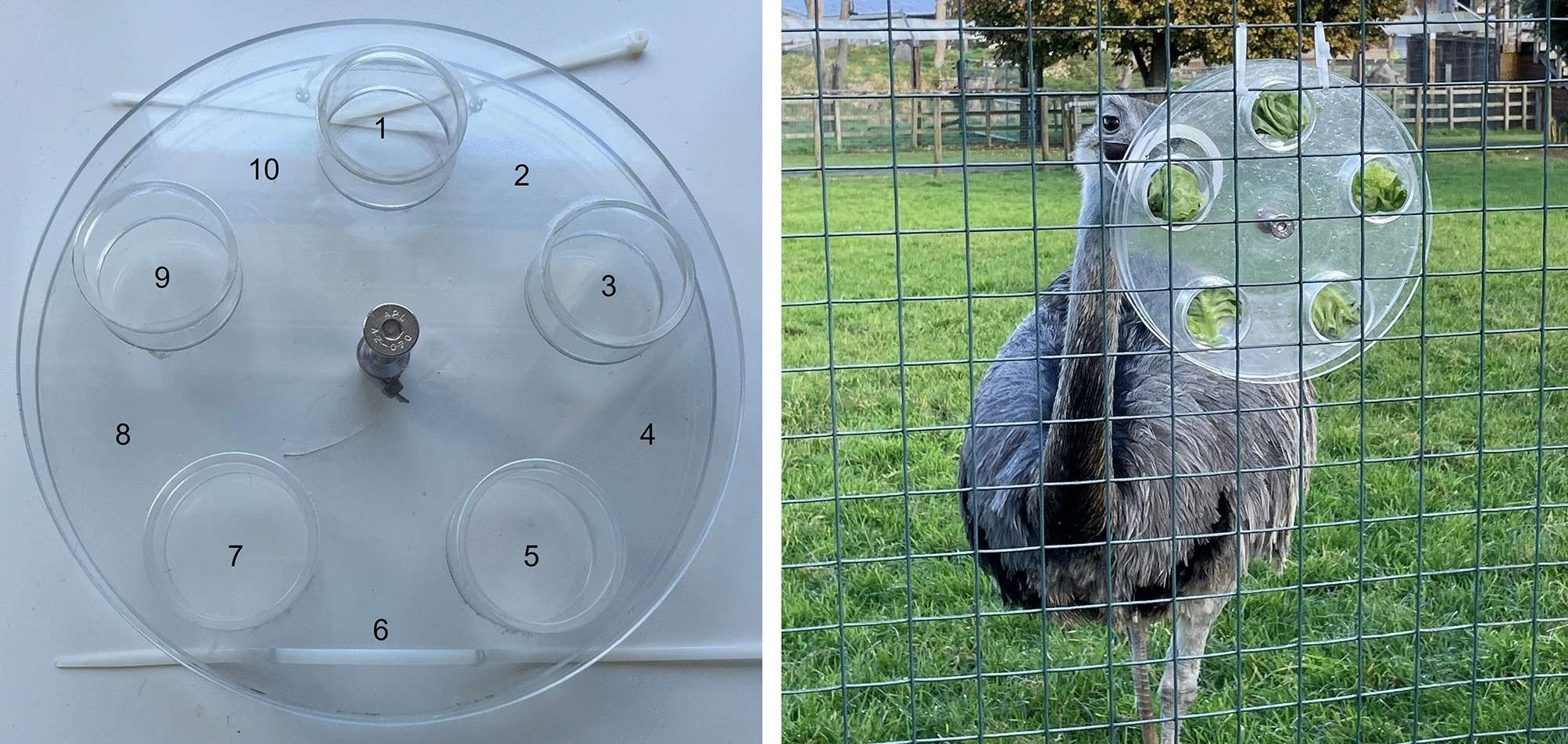
A research group led by Dr. Fay Clark at the University of Bristol created a puzzle that required birds to turn a spinning wheel so that a hole aligned with a hidden food compartment.

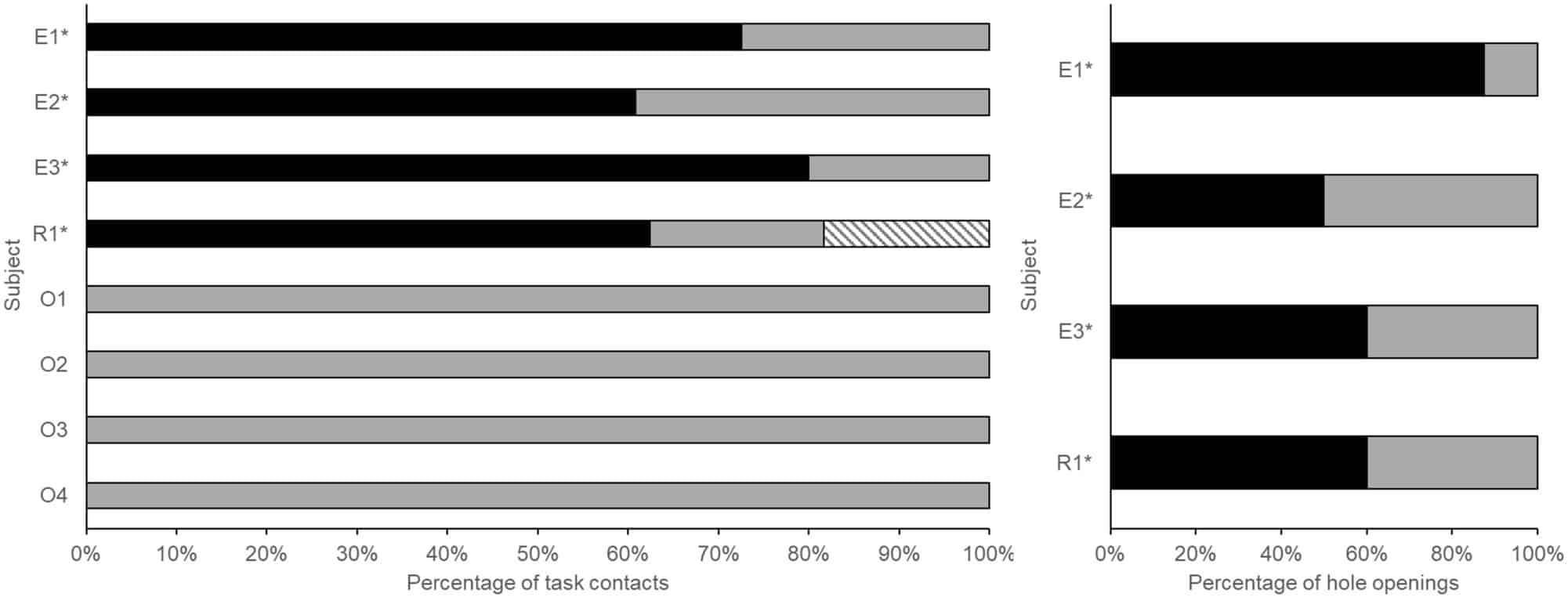
Despite the reputation of emus as “the world’s dumbest birds,” they successfully invented a strategy to solve the puzzle, rotating the wheel in the optimal direction 90% of the time.
Notably, a male rhea demonstrated even greater ingenuity by developing a second approach: twisting the central bolt until the entire device collapsed — effectively circumventing the intended challenge.
Ostriches, also included in the experiments, did not show evidence of innovation during these trials.
Implications for Understanding Avian Intelligence
Typically, intelligent birds like crows and parrots dominate discussions due to their well-known problem-solving skills. Yet, Dr. Clark cautions that repeatedly focusing on the same species may create a biased narrative, making other birds seem less clever merely because they have not been assessed using similar tests.
This experiment provides the first concrete evidence of technical innovation in palaeognath birds — an ancient group that includes emus, rheas, and ostriches. Although their problem-solving isn’t as elaborate as that seen in crows, their capacity for innovation challenges previous ideas about their mental capabilities.
What This Suggests About Dinosaur Cognition
Since palaeognath birds are the closest living relatives of dinosaurs, examining their cognitive skills might offer clues about how dinosaurs perceived and interacted with their environment.
If these birds can display problem-solving abilities, it is plausible that some dinosaurs possessed fundamental problem-solving talents — an insight that could alter perspectives on prehistoric intelligence.
Future Directions in Avian Cognition Studies
The research team aims to broaden their investigations by comparing how a wider variety of bird species tackle similar cognitive challenges. This approach should contribute to a more comprehensive understanding of bird intelligence and potentially shed light on dinosaur mental processes.
Dr. Clark emphasizes that expanding research on palaeognath birds will clarify the broader picture of avian cognition. This study not only challenges preconceived notions of animal intelligence but also stresses the need to explore intelligence beyond the usual studied species.
- Categories:
- Science











0 comments
Sign in to Comment