
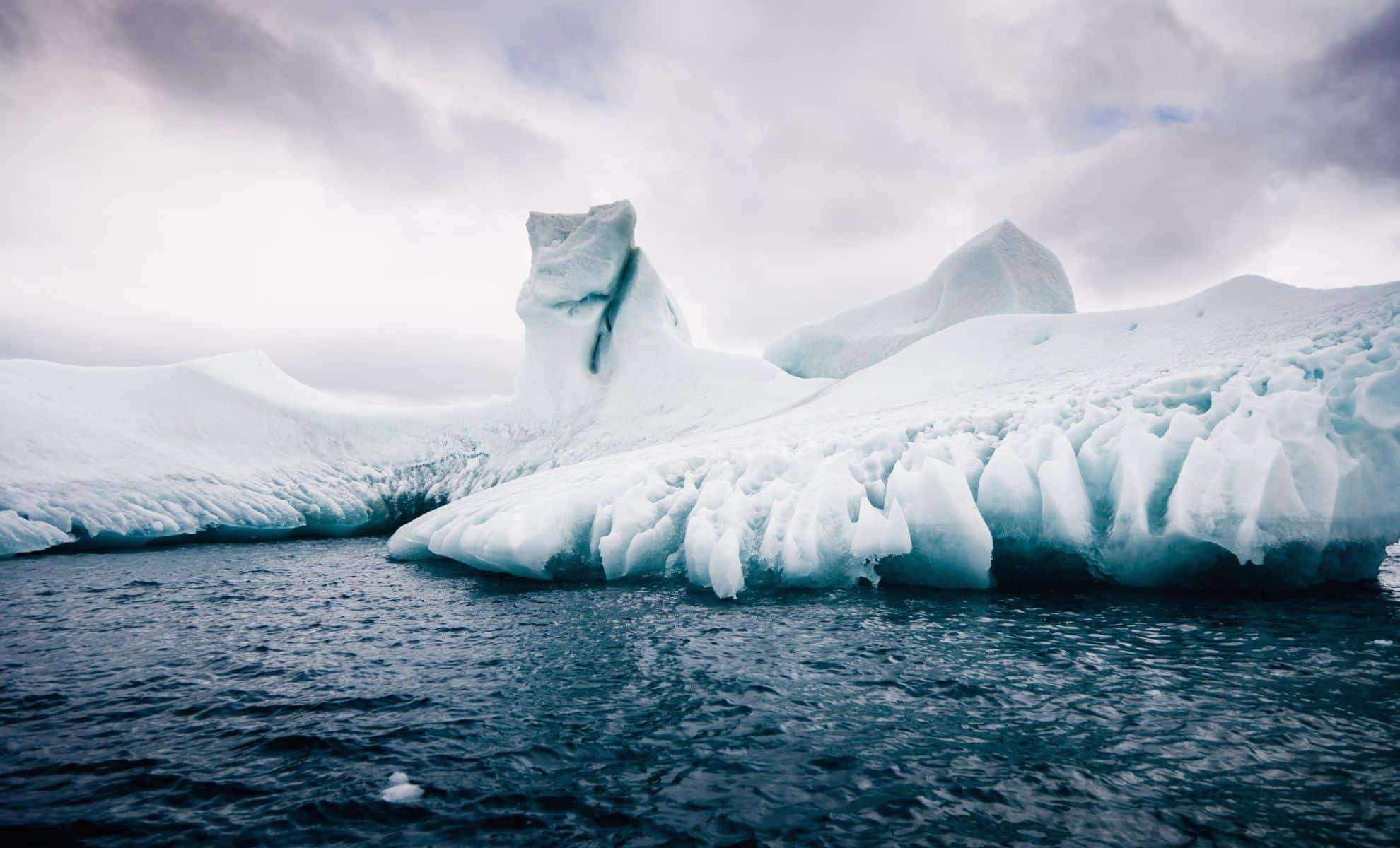
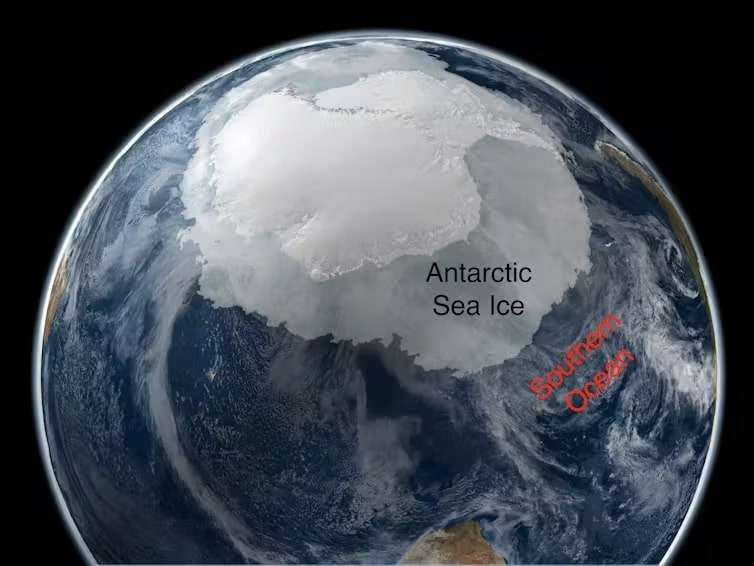
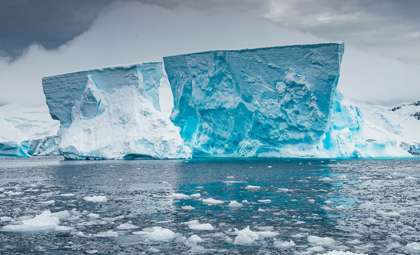
The waters encircling Antarctica are undergoing remarkable transformations. Since 2015, the sea ice enveloping the continent has diminished at an unprecedented rate, with shrinkage comparable to the size of Greenland. Even more startling, recent satellite observations reveal that the ocean’s surface is becoming saltier as the ice disappears. This shift appears to be driving a feedback mechanism that speeds up sea ice decline, potentially triggering widespread environmental and climatic disruptions.
Salinity Levels Climb Unexpectedly
The Southern Ocean bordering Antarctica has attracted extensive scientific attention, yet its harsh and inaccessible environment makes continuous monitoring challenging. Traditionally, scientists observed fresher, colder surface waters helping to expand the sea ice cover.
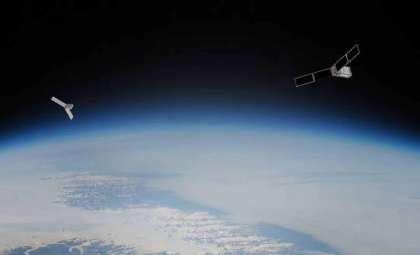
New data from European Space Agency satellites combined with autonomous underwater vehicles have offered a fresh perspective. Teams from the University of Southampton, together with the Barcelona Expert Centre and ESA, devised innovative algorithms to track ocean salinity and temperature changes more accurately.

Their findings uncovered a dramatic shift: beginning around 2015, surface salinity in the Southern Ocean rose sharply, coinciding with a drop in sea ice extent. This reversal from previous decades’ trend of freshening waters signals a critical change in ocean behavior, which could have profound consequences for environmental systems and our grasp of climate change.
The Influence of Elevated Salinity on Sea Ice Formation
Elevated salinity impacts ocean stratification—the layering of water by density. Typically, colder, less salty water rests atop warmer, saltier depths, insulating the ocean and encouraging ice to form. When surface waters become saltier, their density increases, prompting them to sink. This mixing brings warmer subsurface water upward, transferring heat to the surface that melts sea ice, even in winter months.
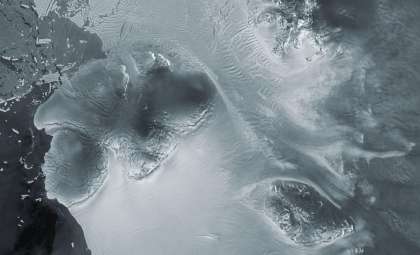
This mechanism accelerates ice loss through a feedback loop: saltier surface layers pull up more heat, melting existing ice and hindering new ice growth. Meanwhile, salinity from deeper layers is drawn to the surface, reinforcing this cycle. One visible consequence is the Maud Rise polynya, a massive open water area that reappeared in 2016-2017 after decades of absence. This feature, almost four times the size of Wales, highlights the rapid environmental shifts in the Southern Ocean.
Broader Consequences of Vanishing Antarctic Sea Ice
The disappearance of Antarctic sea ice carries consequences far beyond the region itself. Sea ice reflects sunlight, helping to regulate Earth’s temperature. Its loss means more solar energy is absorbed by oceans, intensifying global warming. Melting ice also contributes to sea level rise, threatening low-lying coastal areas worldwide. Additionally, species like penguins that depend on sea ice for breeding face increased risks.
Marine ecosystems are similarly imperiled. Krill, which sustain many larger animals such as whales and seals, rely on algae growing beneath the ice. Without the ice, these foundational food sources diminish, disrupting entire ecosystems.
Once believed to be a relatively stable, icy expanse, the Antarctic is evolving into a highly dynamic environment with global impact. Only through vigilant, advanced monitoring can scientists hope to keep pace with these fast-moving changes and avoid being surprised by developments in the Southern Ocean.
- Categories:
- News





0 comments
Sign in to Comment