
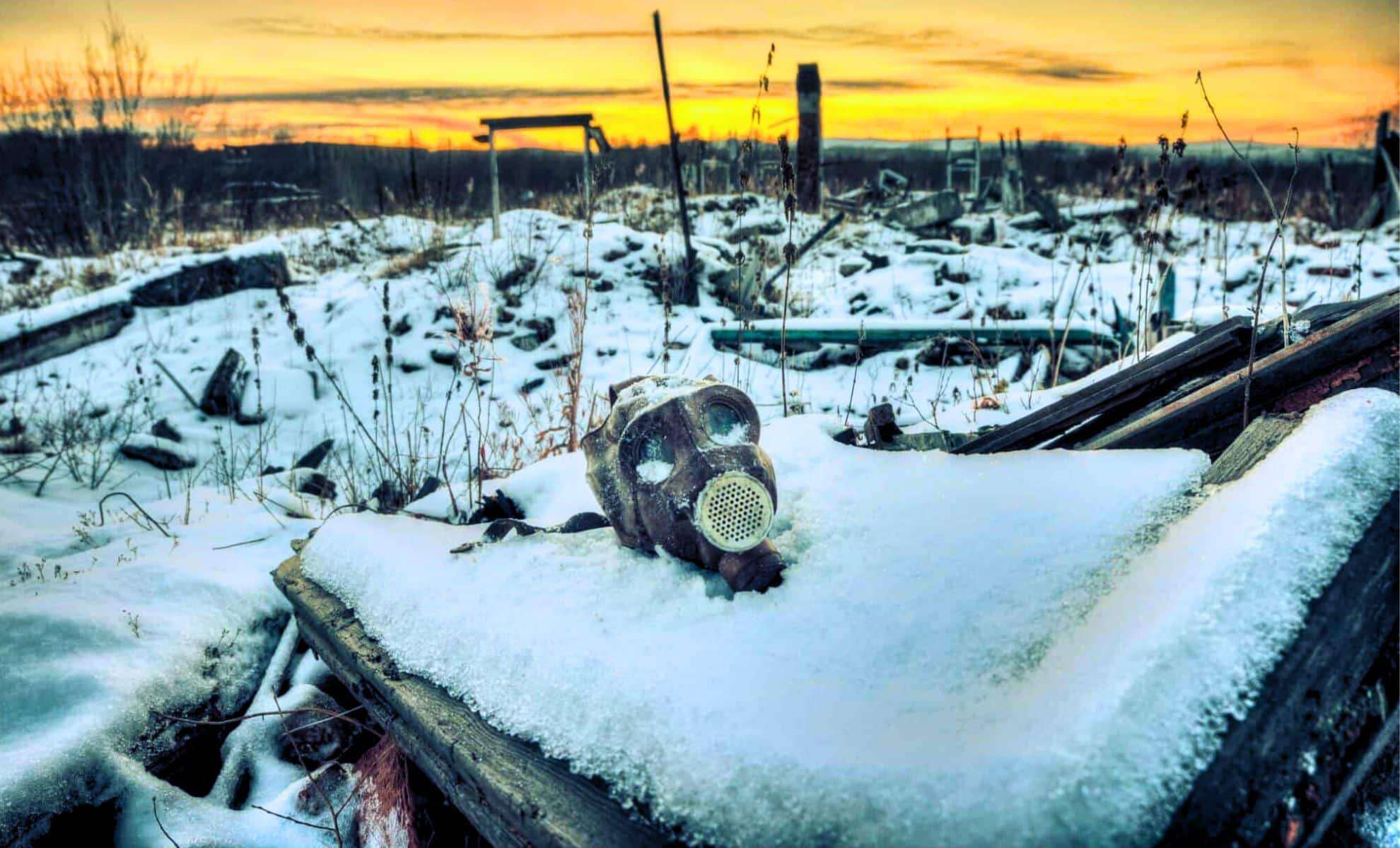
As threats like nuclear winters, severe pandemics, and massive solar storms increasingly jeopardize global food distribution networks, innovative solutions are crucial for survival. A recent paper by Matt Boyd and Nick Wilson, appearing in PLOS One, examines the role of urban agriculture (UA) and near-urban industrial farming in ensuring food security amid such crises. Using Palmerston North, a medium-sized city in New Zealand, as a case study, the research evaluates the capacity of these agricultural strategies to bolster resilience during global disasters.
Insights from Palmerston North
To understand urban adaptation to worldwide catastrophes, Boyd and Wilson centered their study on Palmerston North, New Zealand, a city with a temperate climate and an urban population near 91,800 as of 2023. Leveraging sophisticated Google Earth imagery analysis, they mapped out urban land available for farming. With the city’s built-up area extending roughly 35 km², the team evaluated residential plots and open spaces suited for converting into agricultural sites.
The results suggest that urban farming, primarily through home and community gardens, could sustain roughly 20% of the city’s inhabitants under normal environmental conditions. To satisfy the remaining food demand, near-urban industrial agriculture located on farms adjacent to the city would be vital, providing complementary large-scale crop production.

Optimal Crops for Crisis Resilience
A vital focus was identifying crops best suited for urban and near-urban cultivation, especially under severe climatic upheavals like nuclear winters. Under typical conditions, the study found peas to be the most productive urban crop, valued for their protein content and adaptability to limited space. Despite maximizing the use of parks and gardens, potatoes would need cultivation in surrounding areas to fulfill nutritional requirements.
For scenarios involving a nuclear winter, when sunlight is severely limited, resilient cold-weather crops become essential. Urban agriculture would benefit from plants like sugar beet and spinach, while wheat and carrots would fare better in near-urban industrial operations, chosen for their capacity to thrive in cold conditions crucial for survival during such crises.
Biofuels and the Importance of Near-Urban Farming
The research also spotlights the critical role of biofuels to power agricultural machinery. In the event of trade interruptions and fuel shortages, conventional energy sources for farming equipment would be unavailable.
To overcome this, the authors recommend growing canola (rapeseed) to generate biodiesel capable of fueling machinery essential for large-scale cultivation. Approximately 110 hectares devoted to canola would suffice to meet the energy needs for ongoing farm operations, sustaining food production independence from external fuels.
Additionally, they quantified land requirements for near-urban industrial farming to bridge the food deficit. About 1140 hectares of farmland dedicated to high-yield staples like wheat and potatoes would be necessary to maintain a reliable food supply during catastrophic scenarios.
Adapting Agricultural Plans for Nuclear Winters
The study further examined the effects of a nuclear winter on crop yields, anticipating significant reductions in sunlight and subsequent drops in productivity. The model adjusted agricultural land needs accordingly; for instance, crops such as wheat and carrots, tolerant to cold but lower yielding under such conditions, would demand expanded cultivation areas.
Despite these hurdles, the findings indicate that combining urban agriculture and near-urban industrial agriculture can still fulfill food requirements under extreme environmental stresses. By scaling up agricultural space within and near the city, food availability can be maintained even when conventional supply chains collapse.
- Categories:
- News












0 comments
Sign in to Comment