
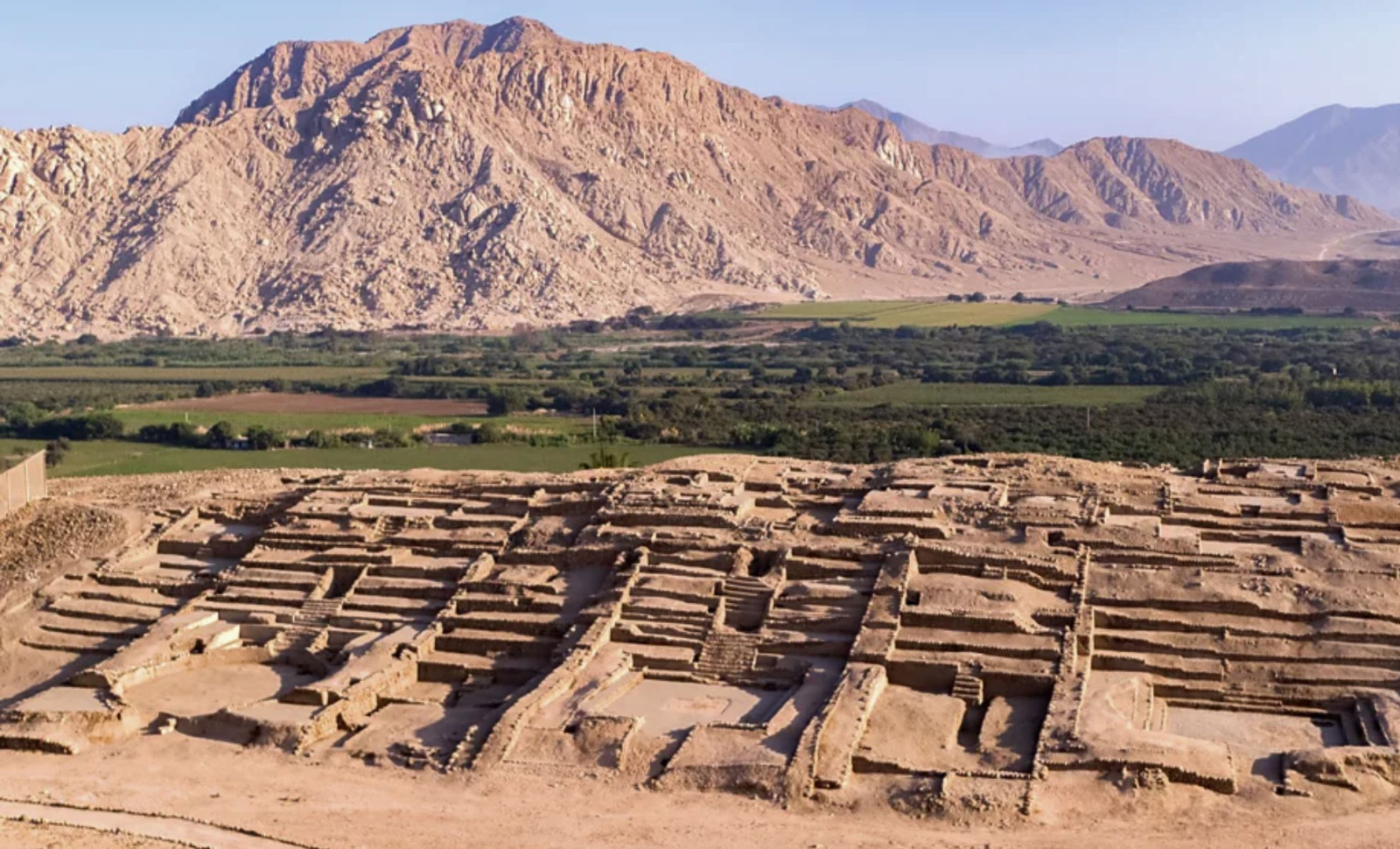
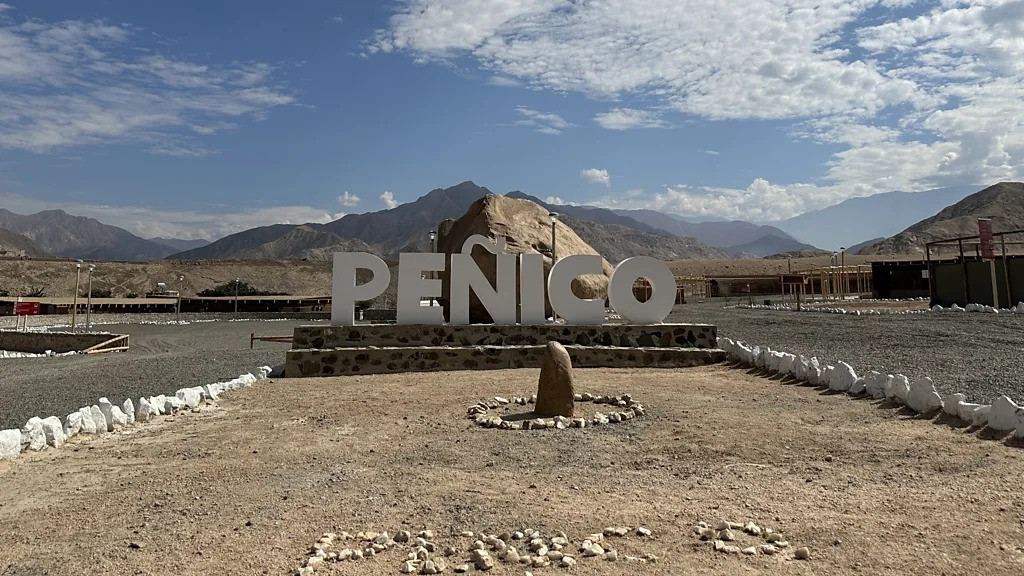
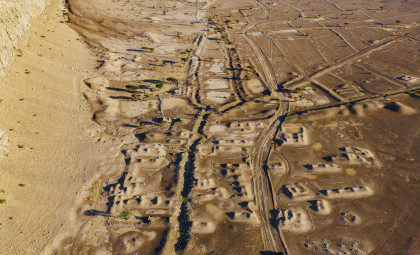
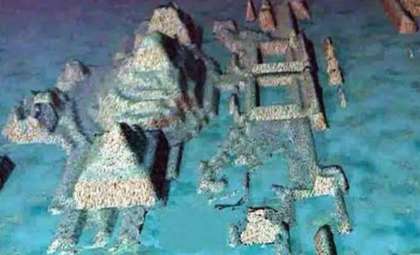
Archaeologists have revealed a newly discovered ancient city buried within Peru’s arid landscape, shedding new light on the development of some of the earliest cultures in the Americas. Announced in July 2025 by archaeologist Ruth Shady, this remarkable find expands our understanding of the Caral civilization, one of the planet’s oldest known complex societies. The site, named Peñico, situated north of Lima, features temples and residential structures indicative of a well-organized and vibrant community.
Predating renowned cultures like the Inca and Maya, Caral emerged along Peru’s coastline contemporaneously with early civilizations in Mesopotamia and Egypt. Its uniqueness lies in the apparent absence of warfare or militaristic activity, a striking contrast to other ancient civilizations of comparable magnitude.
An Ancient Society Thriving Without War
The Caral civilization, dating from approximately 3000 BC to 1800 BC, appears to have maintained a peaceful existence. Ruth Shady noted that major excavation sites, such as Caral-Supe, have yielded no evidence of weaponry or fortification walls.

“Peñico continues the Caral civilisation’s vision of life without conflicts,” she added.
Rather than relying on military power, the society flourished through commerce and shared ritualistic traditions. The Caral population, estimated at around 3,000 people across several settlements, established a network connecting the coastal regions with the Andes and even the Amazon basin.
According to Shady, detailed in a BBC report, ceremonial items like flutes crafted from pelican bones, often adorned with animal motifs, were used to unite various groups during communal events.
Environmental Changes Prompt Societal Shifts
The decline of Caral was gradual, influenced heavily by environmental challenges. Approximately 4,000 years ago, a prolonged drought lasting about 130 years severely impacted agricultural output and led to the desiccation of rivers. Ruth Shady explains that this climatic transformation coincided with similar pressures faced by other early civilizations globally.
“Climate change caused a crisis in Caral,” she explained. “The rivers and fields dried up. They had to abandon urban centres, which also happened in Mesopotamia.” In the Supe Valley, it led to food shortages and the gradual abandonment of large urban centers.
Previously, many scholars believed residents simply moved toward the coast, depending more heavily on marine resources like fish and shellfish. Some archaeological evidence from nearby locations seemed to support this theory.
Peñico’s Discovery Reframes Historical Understanding
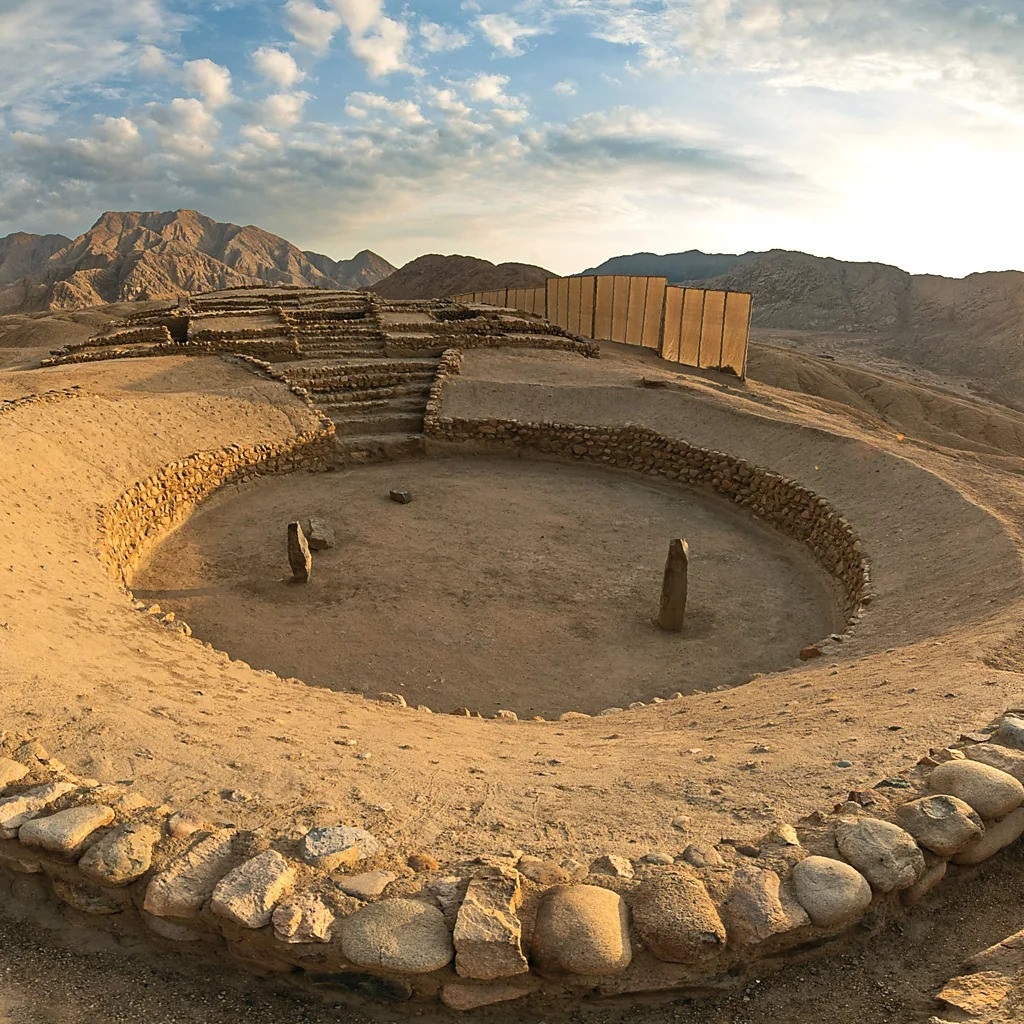
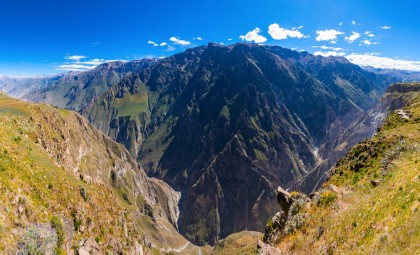
The unearthing of Peñico challenges previous assumptions about the fate of Caral’s people. Positioned approximately 600 meters above sea level and about 10 kilometers from Caral-Supe, Peñico’s location near glacial water sources may have enabled inhabitants to adapt rather than fully abandon their environment. Remarkably, no signs of conflict have been found here, even during times of resource scarcity.
“They had intercultural relationships with people of the jungle, the mountains, and across large distances as far as Ecuador and Bolivia, but always peacefully,” explained Shady.
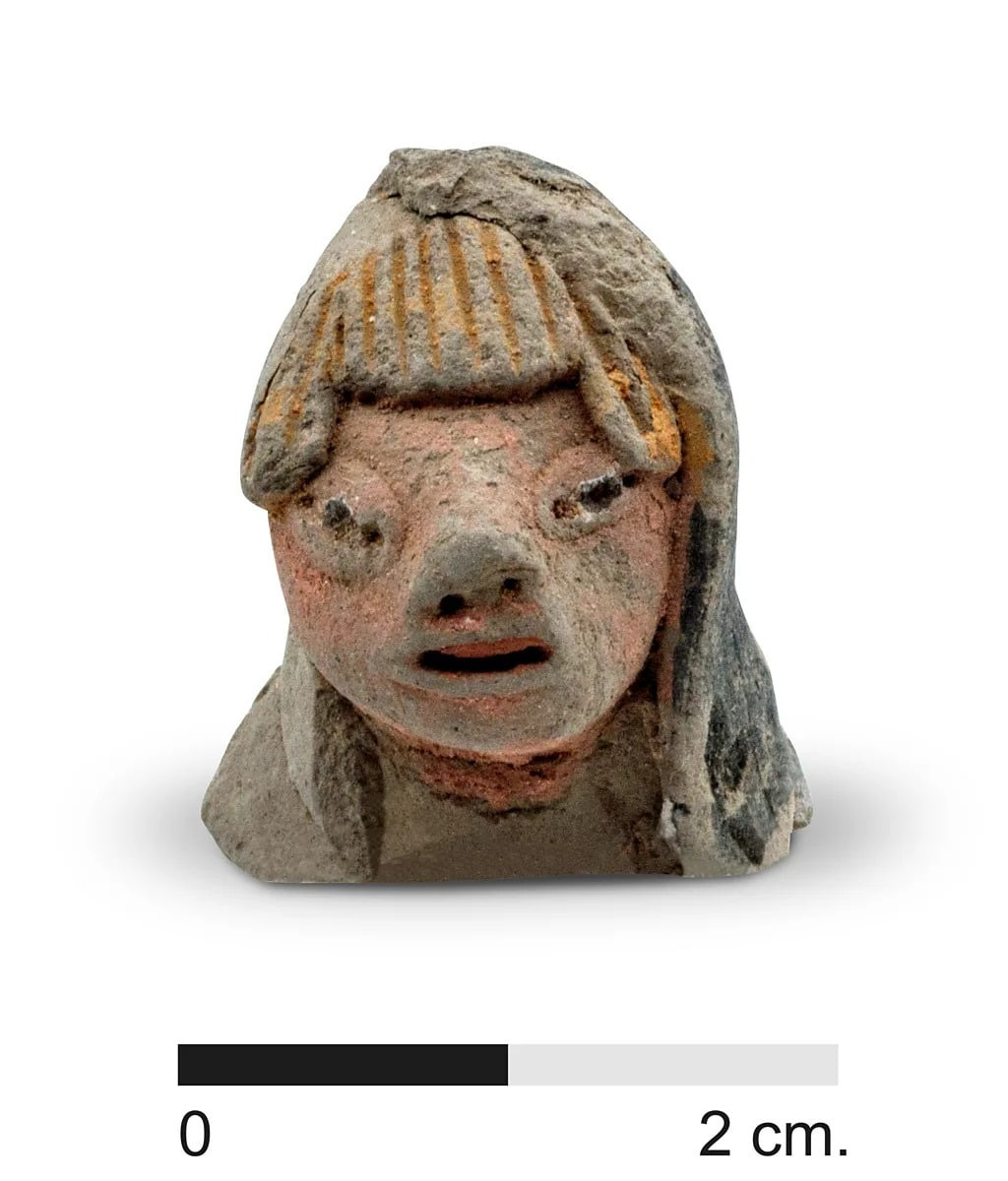
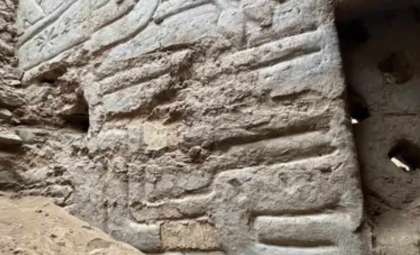
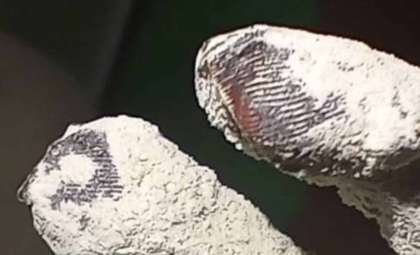
Excavations have also uncovered artifacts such as figurines, jewelry, and carved bones, including a piece shaped like a human skull. A notable red-painted sculpture of a woman’s head indicates sustained cultural and ritual activity.
“There are many things we have to do as we’re facing climate change,” said Shady. “We have to change how we see life and how we see the changes that are happening to our planet so that human society can continue with a good quality of life and mutual respect.”
Exploration of Peñico is ongoing, with much of the site still buried. As Shady emphasizes in her recent findings, there remains a wealth of discoveries yet to be made.
- Categories:
- News




0 comments
Sign in to Comment