
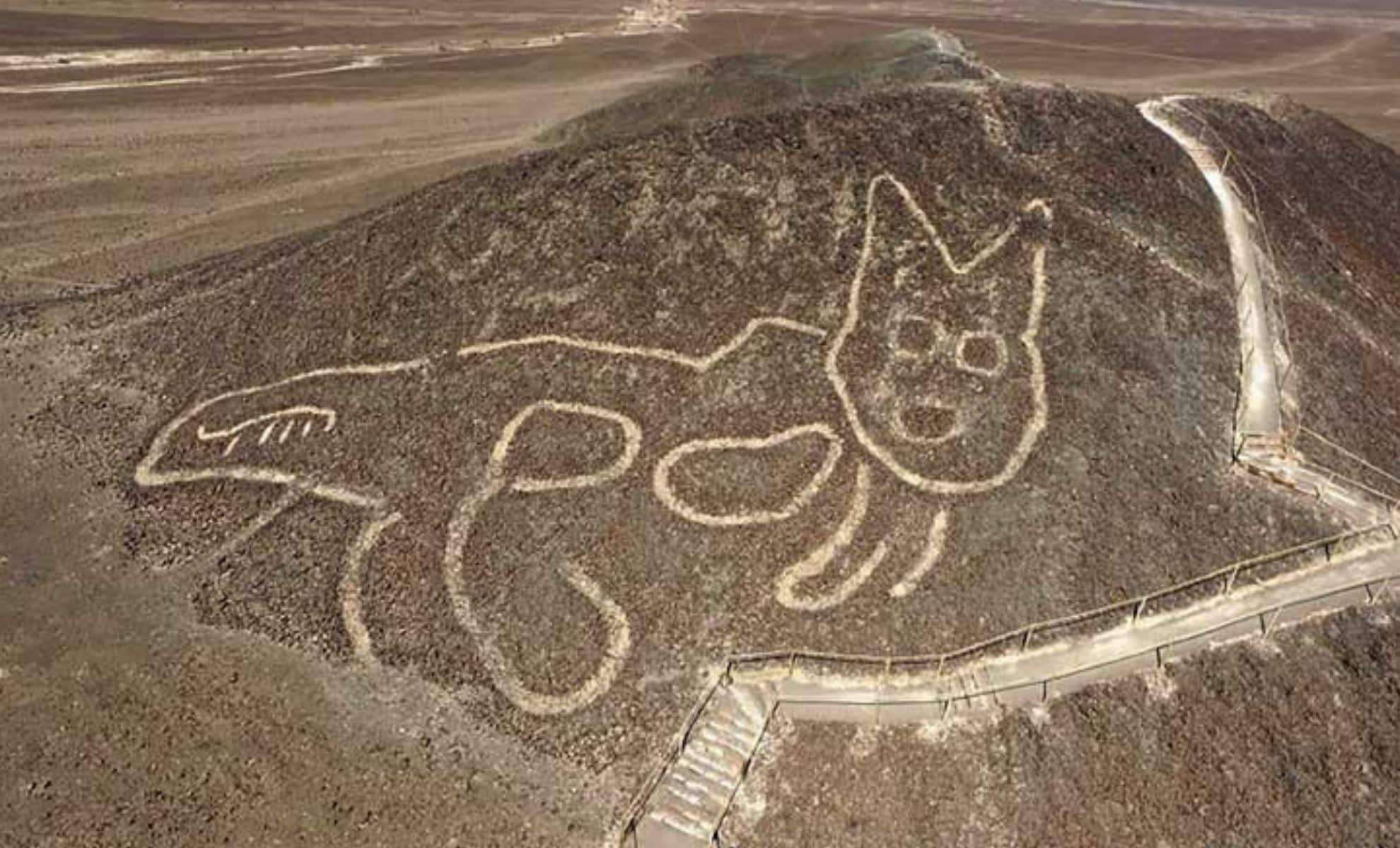
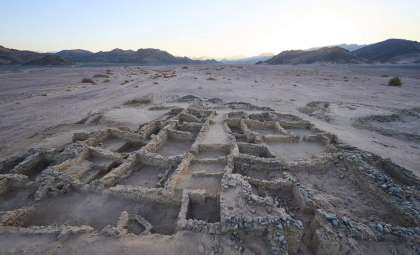
Authorities in Peru have recently revised the boundaries of the archaeological reserve safeguarding the ancient Nazca Lines, igniting strong reactions from archaeologists and environmental advocates. The adjustment, announced last week in the official government publication, reduces the reserve by more than 2,000 square kilometers, removing protected status from a large portion of desert known for its hidden cultural treasures.
The revised Nazca Archaeological Reserve now shrinks from 5,633 to 3,235 square kilometers. This affected area lies about 400 kilometers south of Lima, encompassing desert terrain around the towns of Nazca and Palpa within the Ica region. Officials emphasize that the core UNESCO World Heritage Site and its buffer zones remain untouched, but critics argue the deregulated land covers regions rich with yet-to-be-explored geoglyphs recently discovered with sophisticated imaging methods.
Mining Activities Lose Protection as Legal Boundaries Shift
The government defends this move by asserting the excluded territory holds no archaeological or environmental value. Energy and Mines Minister Jorge Montero stated in a press briefing that “there is no archaeological or other heritage” on the released land, framing the change as a measure to legitimize local mining operations.

Many of these mining ventures have operated informally or illegally in the past. With the updated boundaries, Montero explained, these activities are now permitted since the land is no longer under protected status. Observers note this decision aligns with Peru’s economic goals where mining plays a pivotal yet contentious role.
Conservationists worry that this sets a dangerous standard, creating a loophole allowing extraction industries to exploit sensitive areas with limited oversight. Recent satellite imagery and regulatory monitoring have documented incursions by gold miners and the establishment of mineral processing sites inside the greater Nazca region.
Scientists Decry Dismissal of Archaeological Significance
Scholars responded sharply to the policy change. Pieter Van Dalen, head of the Peruvian Association of Archaeologists, criticized Minister Montero’s remarks as “very inappropriate” and questioned the basis of his claims. “How can he conclude there are no remains without specialized knowledge?” he told AFP. Fellow experts also highlighted recent research revealing newly identified geoglyphs in the areas removed from protection.
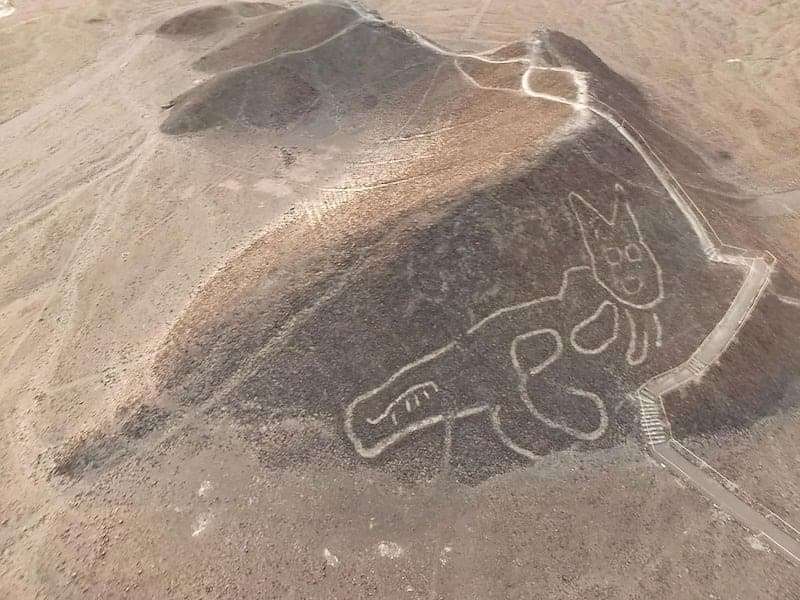
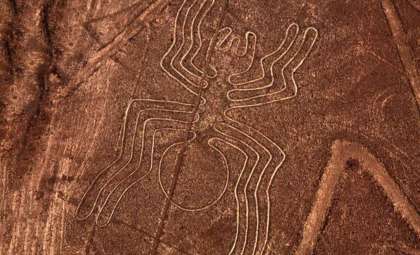
A landmark study by a Japanese team leveraged artificial intelligence to uncover 303 additional geoglyphs, nearly doubling the previously known sites. These newly cataloged figures join the famous motifs like the hummingbird, monkey, and whale, attributed to the Nazca culture and dating from approximately 200 to 700 A.D.. Many of these geoglyphs are best viewed from above, emphasizing their cultural and historical value.
Ana María Cogorno Mendoza, president of the Maria Reiche International Association, pointed out that the deregulated region encompasses locations “where some of the earliest rituals are believed to have taken place,” based on their research. Reiche, the German scientist the group honors, dedicated decades in the 20th century to studying and safeguarding the lines.
Controversy Surrounds Mining Registrations and Regulations
A key issue arises from the fact that the territory released from protection overlaps with roughly 300 mining licenses registered under Reinfo, a contentious government program aimed at legalizing informal mining. Sidney Novoa, technology director at the nonprofit Amazon Conservation, explains this grants miners legal rights to operate on land that was once protected.
Environmental lawyer César Ipenza, who has been monitoring these developments closely, argues that there was no adequate evidence to declare the land devoid of cultural value. “This ancestral land needs genuine protection, not political shortcuts,” he told The Guardian. Former Environment Minister Mariano Castro warned the decision exposes the reserve to “serious and cumulative damage,” and criticized the ministry of culture for not fully considering the broader impacts of intensified extraction on these archaeological treasures.
Culture Minister Fabricio Valencia defended the revision on national radio, asserting that the redrawing “better reflects how the geoglyphs relate to the physical landscape, ensuring their preservation.” However, opponents remain concerned that the timing—coinciding with a spike in gold prices—suggests economic interests are being placed ahead of long-term cultural conservation.
- Categories:
- News









0 comments
Sign in to Comment