
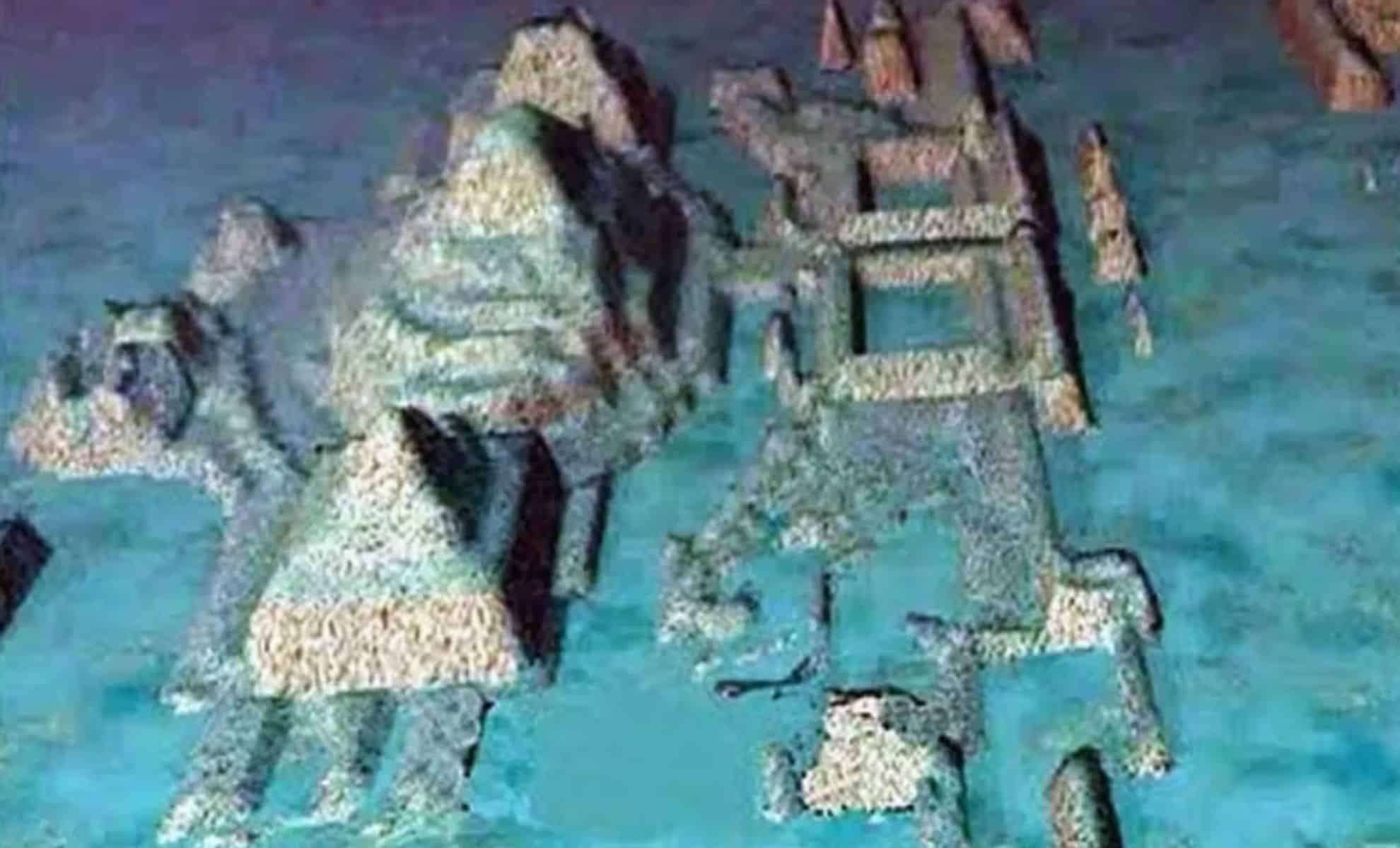
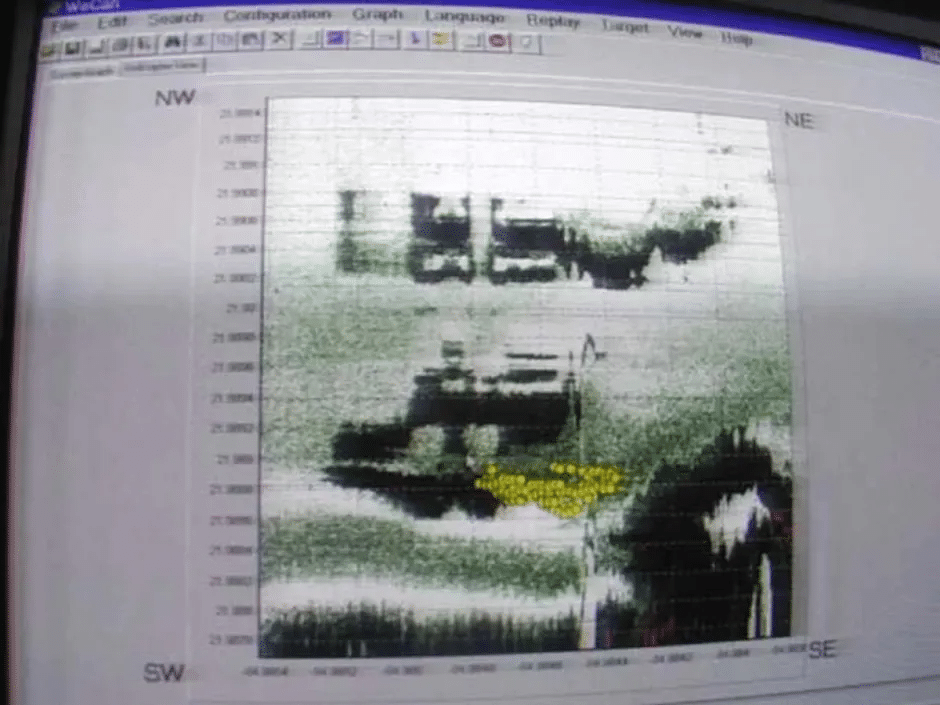
More than twenty years ago, Canadian marine engineers Paulina Zelitsky and Paul Weinzweig stumbled upon sonar images that hinted at the existence of an ancient submerged city near Cuba. While mapping the ocean floor in 2001, they identified formations over 2,000 feet beneath the surface, which appeared to be pyramids, roads, and other architectural elements reminiscent of an advanced urban settlement. Reported by the DailyMail, this hidden underwater site is estimated to be over 6,000 years old, potentially predating the Egyptian pyramids and challenging conventional historical narratives. Despite its significance, the site has seen little subsequent investigation, fueling ongoing disputes concerning its origin and authenticity.
Exploring the Evidence: Remnants of a Sunken Civilization or Geological Phenomena?
Zelitsky and Weinzweig initially posited that the images revealed a complex urban area submerged many millennia ago. Their sonar data showed what seemed to be multiple pyramid-like shapes alongside seemingly deliberate building outlines. Zelitsky described the discovery as, “an impressive structure that strongly suggests a large ancient city.” Such a finding could drastically alter the accepted timeline of human cultural evolution.
Nonetheless, the announcement was met with skepticism within the scientific community. A key concern arises from the site’s extraordinary depth — over 2,000 feet underwater — which some argue would require extensive geological processes spanning tens of thousands of years to submerge. This disparity complicates the dating and interpretation of the formations.

“It’s premature to draw firm conclusions without further evidence,” Zelitsky noted in a 2001 BBC interview, underscoring the uncertainties surrounding the discovery. Since then, no comprehensive follow-up expeditions have been undertaken to verify the nature or origins of the site.
Expert Doubts: Natural or Man-Made Structures?
Cuban geologist Manuel Iturralde-Vinent stands among the foremost skeptics, dismissing the claim that these structures are artificial. As he told The Washington Post, “It’s unusual and puzzling, but we don’t yet have a clear explanation.” Iturralde emphasizes caution and rigorous analysis before concluding a human origin.
He and other researchers suggest that natural geological forces like ocean currents and tectonic shifts might have formed these symmetrical shapes, mimicking constructed features. The apparent regularity might be coincidental rather than indicative of architecture, especially given the challenging environmental conditions at such depths.
Discussions continue without consensus, between those who view the formations as remnants of forgotten civilizations and others who regard them as geological curiosities. The scarcity of definitive proof deepens the divide among specialists.
Implications for History: Revisiting the Timeline of Early Civilizations
The mystery surrounding this submerged Cuban site raises profound questions about the origins of human urban development. If proof emerges that this is indeed a city lost to the seas, it could overturn established views on when and where complex societies first appeared. Such a revelation would suggest that advanced civilizations existed much earlier in the Americas than generally accepted.
Michael Faught, an expert in underwater archaeology from Florida State University, expressed skepticism. “It would be fascinating if Zelitsky and Weinzweig’s interpretation holds true, but such advanced structures would be unprecedented for the era in that region,” he told the South Florida Sun-Sentinel, noting the discrepancy with known archaeological records.
Yet, the prospect of rewriting human history remains compelling. Discoveries like Göbekli Tepe in Turkey, dated over 5,000 years before the Egyptian pyramids, challenge how we perceive ancient human societies. Could these Cuban ruins represent evidence of an equally ancient, but yet undiscovered, culture?
- Categories:
- News










0 comments
Sign in to Comment