
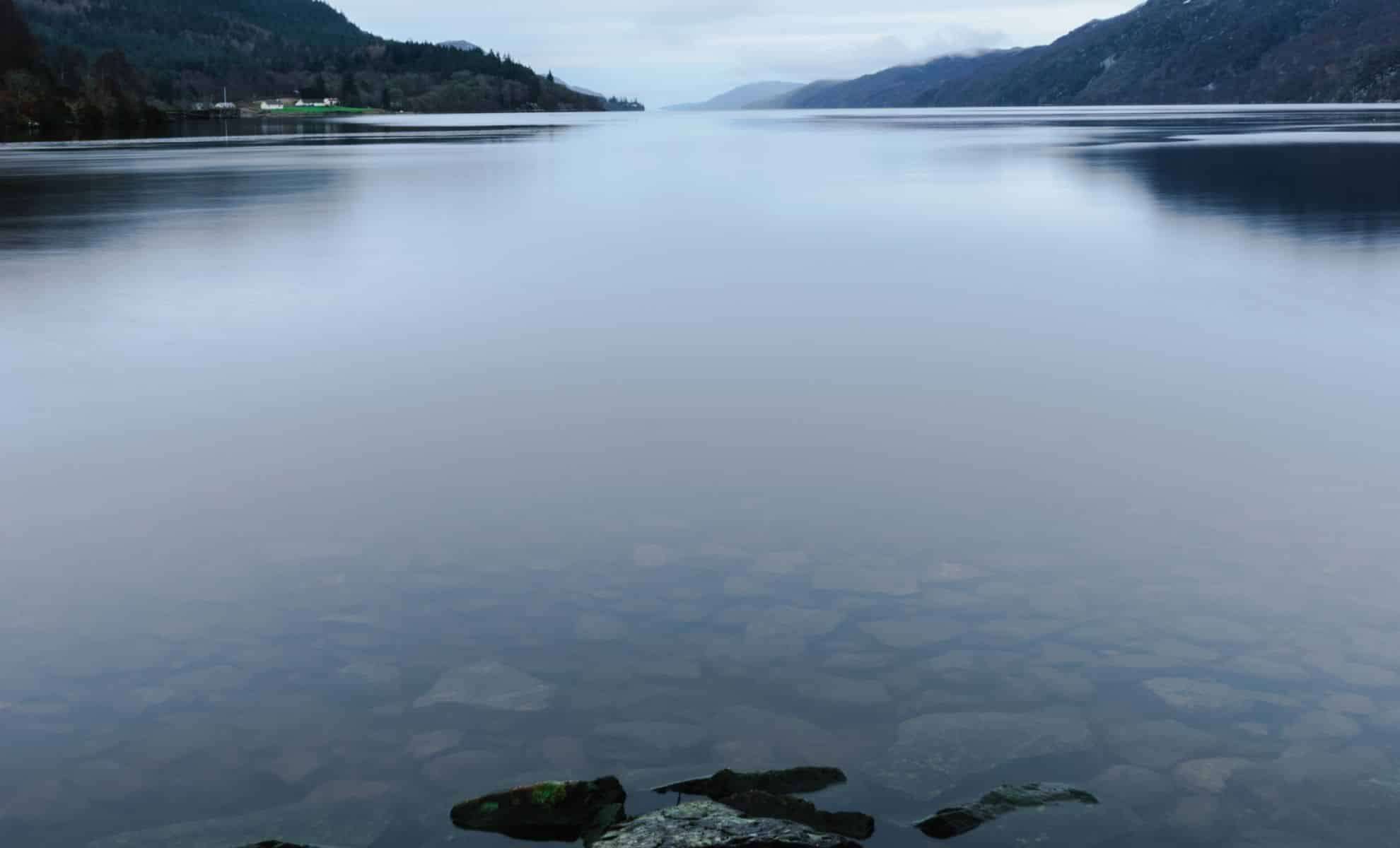
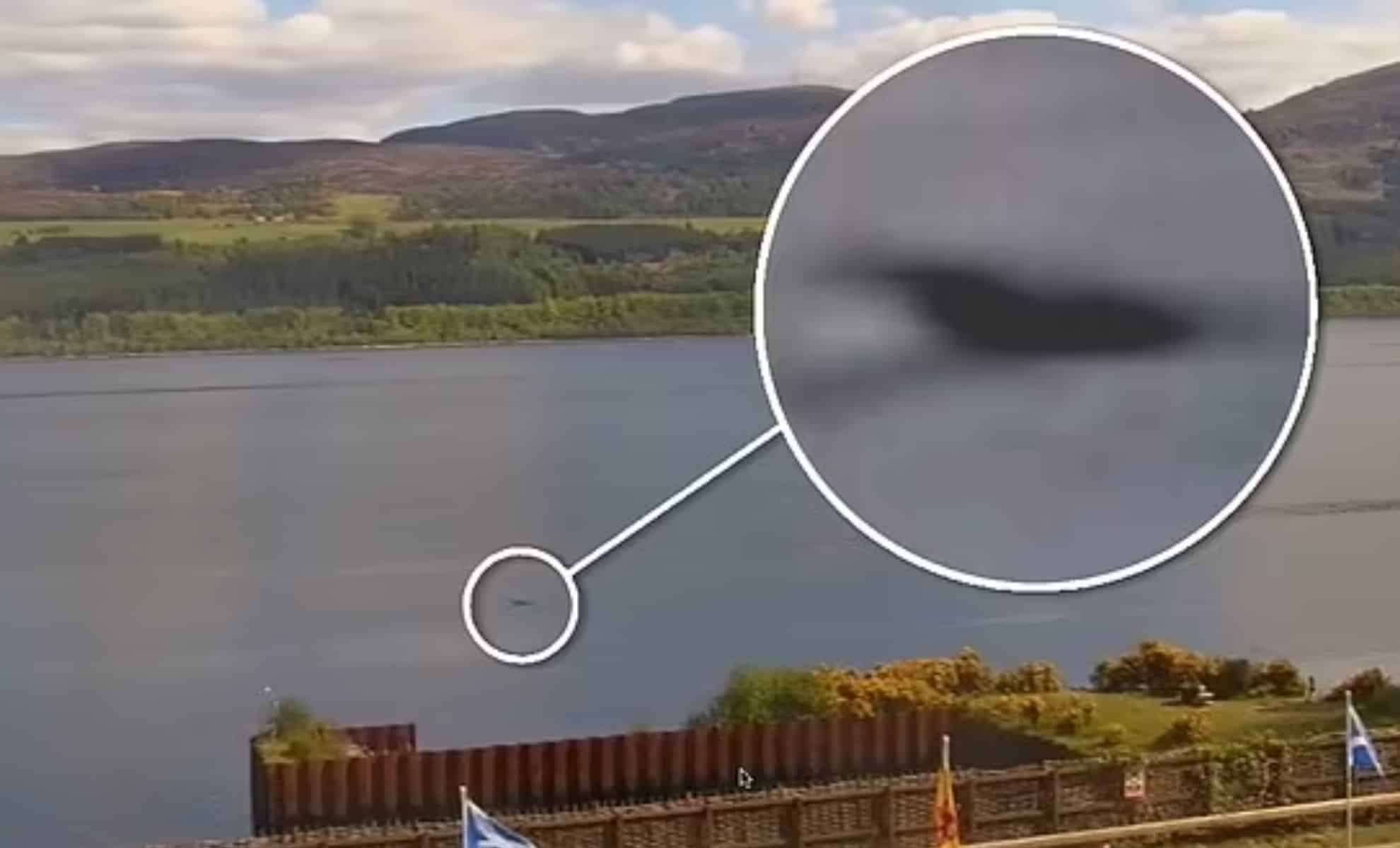
A freshly recorded video from a live webcam positioned near Scotland’s Clansman Hotel has reignited enthusiasm about the mythical Loch Ness Monster, commonly known as Nessie. Captured on May 7, 2025, and shared via a Daily Mail Online publication, the clip shows what monster researcher Eoin O’Faodhagain believes to be a young Loch Ness creature briefly surfacing while feeding. This footage was sourced from a webcam operated by Visit Inverness Loch Ness (VILN), which keeps watch over the northern region of the loch.
Could This Be the Most Convincing Nessie Evidence Yet?
Monster hunter Eoin O’Faodhagain, hailing from County Donegal, Ireland, was observing the live feed when he noticed an unusual disturbance in the tranquil waters of Loch Ness, just a few meters from the Clansman Hotel’s pier. He recalls, “a shape emerged from the surface and rose several feet before quickly disappearing beneath the dark water of the loch.”
O’Faodhagain was quick to dismiss typical animals such as otters, seals, or fish, stating, “The size was beyond anything I expected from local wildlife.” He further explained, “The creature bore no resemblance to an otter or seal, and I’ve never seen a fish with a neck and a textured back like this.” Expressing his excitement, he added, “Capturing what could be Nessie on camera has left me both amazed and thrilled.”

Convinced the sighting depicts a young specimen, O’Faodhagain described the creature’s behavior as hunting, noting it seemed to interact with a fish nearby. He stated, “This juvenile Nessie was clearly engaged in stalking its prey before the catch.” Highlighting the significance, he said, “If my interpretation is correct, this is the first live camera recording showing Nessie actively hunting fish.”
The Longstanding Legend of Nessie
Stories of a mysterious aquatic creature dwelling in Loch Ness have circulated for hundreds of years. The earliest documented encounter is often credited to Irish missionary St. Columba around 565 AD, who reportedly faced “a massive beast in the waters of the River Ness.”
Interest surged in the modern era after a 1933 report in the Inverness Courier, where a local couple described seeing “a huge creature rolling and splashing on the loch's surface.” The legend has been fueled by countless photographs and eyewitness accounts, including the famed 1934 image taken by Colonel Robert Kenneth Wilson, later revealed to be a fabrication.
Though many sightings remain unconfirmed, an enthusiast-maintained digital log contains more than 1,000 recorded Nessie observations, highlighting continued intrigue and speculation.
Scientific Perspectives and Continued Study
Despite numerous reports, scientific verification of Nessie has yet to be achieved. Proposed explanations include mistaken identity of animals such as large sturgeon or Wels catfish, as well as natural occurrences like drifting logs or wave patterns.
Some observers have noted “large, crocodile-like ridges along the creature’s back,” prompting theories about amphibians escaping captivity. Native fish like sturgeon, which grow quite large and display armored backs, may also account for some sightings with their reptilian look.
The idea that this creature could be a surviving plesiosaur, a long-necked aquatic reptile from the dinosaur age, persists but is speculative given the absence of solid evidence. Other explanations suggest “Scottish pine trees falling into the loch and releasing bubbles underwater” could produce misleading appearances of creatures.
Veteran Nessie researcher Steve Feltham, who has studied the loch for over twenty years, suggests many reports can be attributed to known wildlife or natural effects. Still, the loch’s mystery endures.
The Legend Persists
New footage has stirred enthusiasm among enthusiasts and monster investigators alike. It precedes “The Quest,” a large-scale search event scheduled for May 22–25, 2025, in the Scottish Highlands. This initiative invites public involvement, hoping to uncover new insights and boost local tourism.
Webcams like the one at the Clansman Hotel offer ongoing surveillance of the loch, where the unknown continues to captivate imaginations.
- Categories:
- News







0 comments
Sign in to Comment