
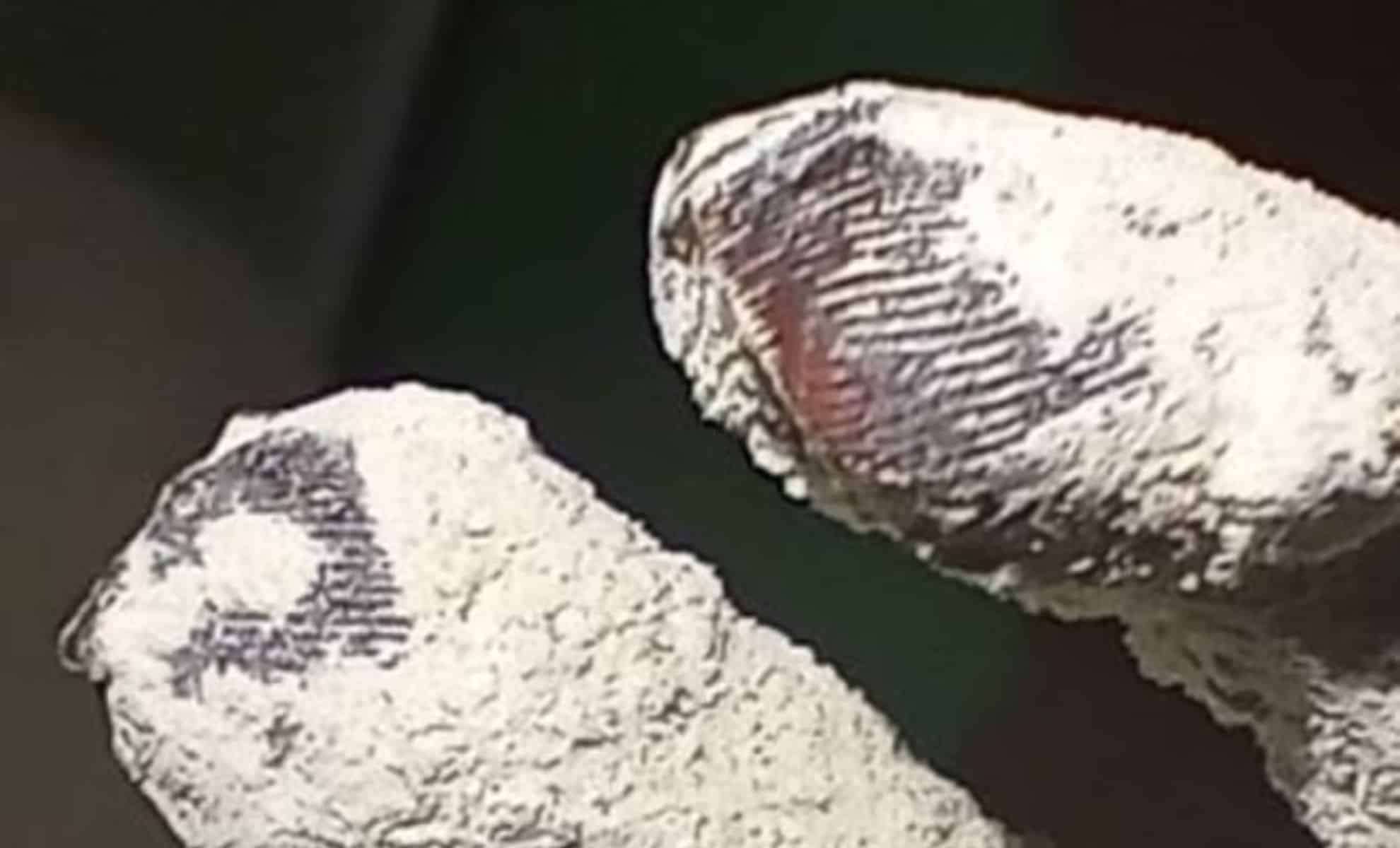
The enigmatic tale of Peru's so-called alien mummies has resurfaced in the news, this time due to unusual fingerprint patterns rather than strange physical traits or debunked DNA claims. A recent report by the Daily Mail revealed that these prints bear no resemblance to typical human fingerprints, sparking fresh intrigue about these specimens.
Examining the Ancient Remains Anew
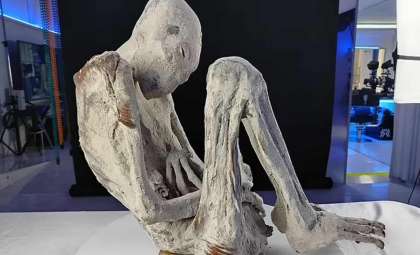
The renewed curiosity began with Joshua McDowell, a former prosecutor turned defense lawyer, who closely inspected one of the notable mummies, known as Maria. Characterized by an elongated skull and only three fingers per hand, Maria revealed remarkable details under microscopic examination.
Alongside three independent forensic medical specialists, McDowell observed the mummy's fingerprint patterns, or rather the lack thereof—no loops, whorls, or arches emerged, only straight, unbroken lines.

“These patterns don’t align with conventional human fingerprint structures,” McDowell explained to the Daily Mail. “We found no loops or whorls on the prints of fingers or toes.” Given his extensive experience with fingerprint analysis in the courtroom, McDowell described the prints as “not classic fingerprints,” prompting speculation about their origin.
However, McDowell stopped short of declaring extraterrestrial origins. He considered it “highly premature” to jump to alien conclusions, suggesting instead that the unusual prints could result from the skin’s unique preservation. Some experts theorize that burial in diatom-rich sediments—microscopic algae known to inhibit decay—might have distorted the skin.
The Origins: A Controversial Showcase in Mexico
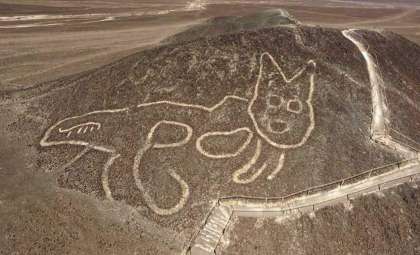
Many will recognize the name Nazca from Peru’s famed Nazca Lines, the region where these peculiar mummies were reportedly discovered. In September 2023, Mexican journalist and UFO advocate Jaime Maussan brought two mummies to the spotlight during a Mexican congressional hearing—an official forum where he presented the remains as 1,000-year-old non-human beings.
Maussan characterized these remains not as mummies but as intact bodies that had undergone thorough scientific examination. He asserted that labs at the National Autonomous University of Mexico (UNAM) had conducted carbon dating, revealing that over 30% of their DNA was unidentifiable. Moreover, Maussan reported the presence of unusual metal implants and even eggs inside one specimen.
Authoritative Rebuttal: Not Alien But Fabricated
By January 2024, Peruvian officials declared the “mummies” to be nothing more than handcrafted dolls composed of combining human and animal bones, glue, paper, and metal. Forensic archaeologist Flavio Estrada reaffirmed the government's stance, stating clearly that these remains did not originate from extraterrestrial sources.
Critics noted that the elongated skulls, often cited as evidence supporting alien origin theories, actually stem from ancient Andean head-binding traditions commonly practiced in several pre-Columbian cultures across Peru. Latin American historian Christopher Heaney stressed that features perceived as alien today might simply reflect human remains altered by cultural customs and the passage of time.
What Might These Remains Actually Represent?
Despite the official dismissal, some researchers remain unconvinced. The peculiar fingerprint findings add complexity to the debate, and documentary filmmakers involved with the mummies' story report that X-ray analyses reveal internal structures inconsistent with typical homemade hoaxes.
While not asserting these as extraterrestrial, they propose the possibility that these bodies could signify an undiscovered species or perhaps evidence of genetic experimentation, whether natural or artificial—a mystery yet to be unraveled.
- Categories:
- News








0 comments
Sign in to Comment