
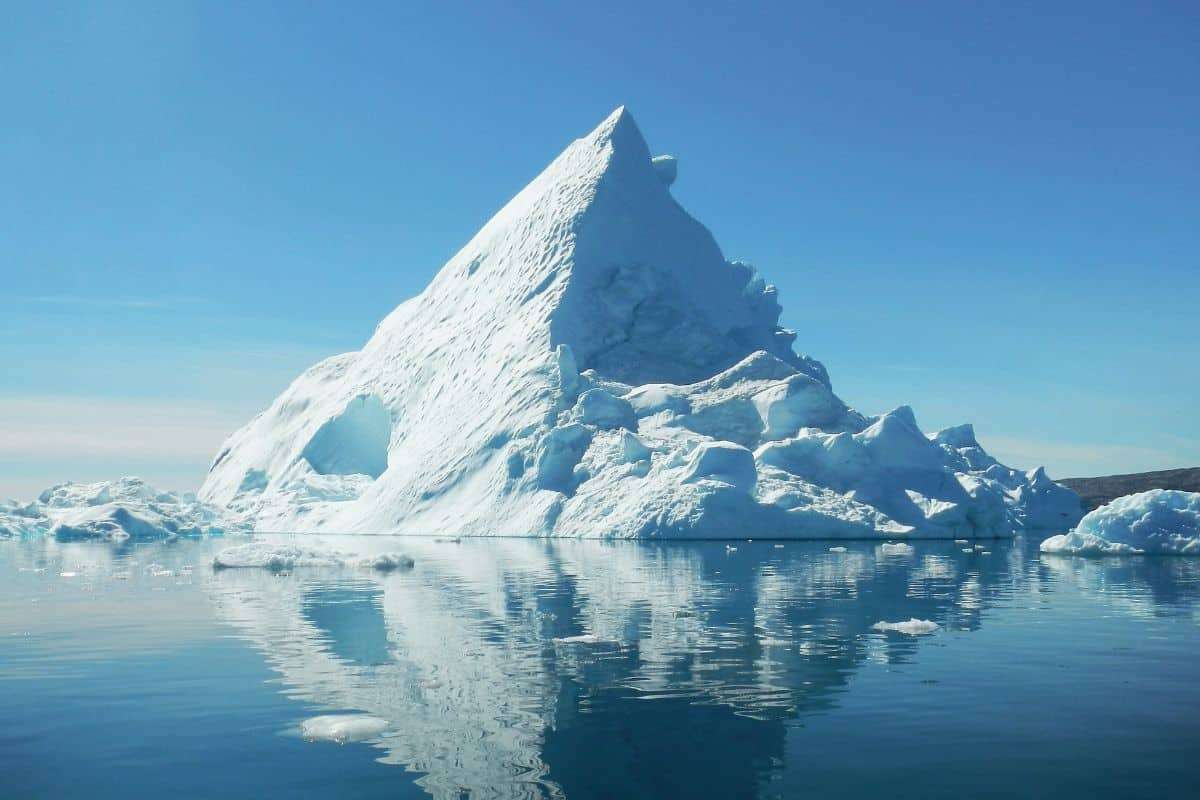
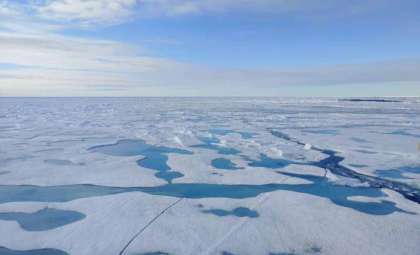
The accelerated reduction of Arctic sea ice is triggering changes far beyond the polar region, impacting weather across the globe. Recent research published in Communications Earth and Environment reveals a connection between diminishing ice cover and drier winters in California alongside increased rainfall in parts of Europe.
Impact of Arctic Ice Loss on Worldwide Climate Patterns
Arctic sea ice is essential for Earth's climate balance. It reflects solar radiation, helps regulate ocean salinity, and serves as a thermal barrier between the ocean and atmosphere. The retreat of sea ice disrupts these processes and alters atmospheric dynamics, influencing weather far from the Arctic.
The study published in Nature, spearheaded by experts from the Barcelona Institute for Global Health (ISGlobal), demonstrates that the southwestern United States, notably California, tends to face drier winters, while regions such as Spain and Portugal experience heightened winter moisture. These shifts stem from altered airflow patterns due to Arctic ice reduction, redirecting storms and precipitation.

Innovative Methods Reveal Arctic Influence
Exploring the Arctic ice impact on distant climates has been challenging. Earlier research often concentrated on century-scale trends or added artificial heat to models, which might skew outcomes.
This new study took a novel route by comparing climate models with historical and drastically lowered Arctic ice levels, avoiding artificial inputs.
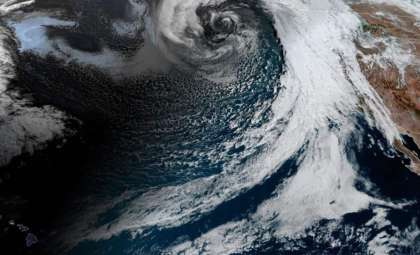
By conducting two simulation scenarios, researchers isolated the sea ice loss effects on atmospheric circulation. The results indicate that diminishing ice has a chain reaction, modifying jet streams and ocean currents, which collectively reshape global climate.
Heightened Drought in California and Wetter Winters in Europe
The findings hold particular importance for areas facing severe weather challenges. In California, where drought severity has increased over recent decades, the study suggests Arctic ice decline may exacerbate dry conditions. Although other factors like greenhouse gases contribute, Arctic changes intensify existing trends.
Contrastingly, parts of Europe—especially Spain and Portugal—might see more precipitation during winter. The altered atmospheric patterns appear to steer increased moisture towards these regions, although this effect is less pronounced than California’s drying.
Complex Climate Interactions at Play
While the research supports the idea that Arctic ice decline affects worldwide weather, scientists emphasize that it represents only one factor in a multifaceted system incorporating greenhouse gas emissions, ocean circulation, vegetation alterations, and Antarctic ice loss.
“It should be made clear that the conclusion is not necessarily that it will rain less in California and more in the Western Mediterranean in the coming years. In addition to the ice cover loss in the Arctic,” explained Desislava Petrova, co-author of the study. “there are many other factors responding to greenhouse gas emissions and affecting the climate.”
Evidence from Recent Extreme Weather Events
The study’s findings align with weather irregularities observed over previous decades. For instance, the California drought from 2012 to 2016 exhibited patterns resembling those in the simulations.
Lead scientist Ivana Cvijanovic noted that while exact events cannot be forecasted by climate models, they help clarify overall trends. “The atmospheric circulation patterns of the last few decades show some striking similarities to the patterns simulated in our study — especially events such as the Californian drought of 2012-2016,” she stated.
- Categories:
- Climate change


0 comments
Sign in to Comment