
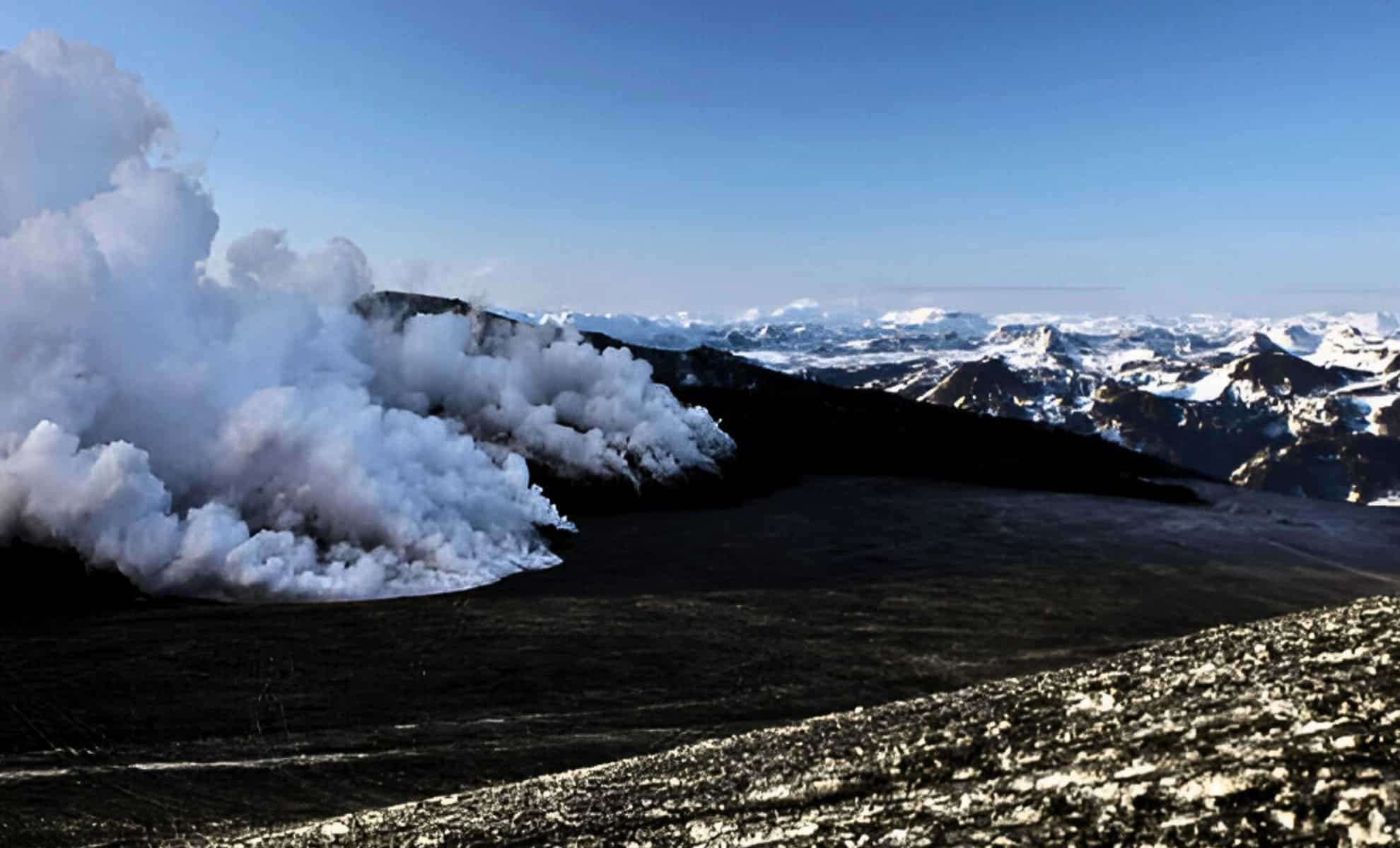
Amid rapidly escalating climate shifts, the Arctic is increasingly susceptible to a new hazard: wildfires. Previously deemed too chilly and moist for such events, this frozen region may soon experience frequent, intense fires before the century’s end. Scientists warn this emerging danger stems largely from the thawing of permafrost, a critical element in this alarming environmental shift.
Will Wildfires Become Commonplace in the Arctic?
A recent article in Nature Communications highlights the escalating wildfire risks tied to melting permafrost in the Arctic. This frozen soil layer, stable for millennia, is melting at unprecedented rates due to global temperature increases. As it thaws, substantial amounts of carbon and methane—powerful greenhouse gases—are freed from their icy prison.
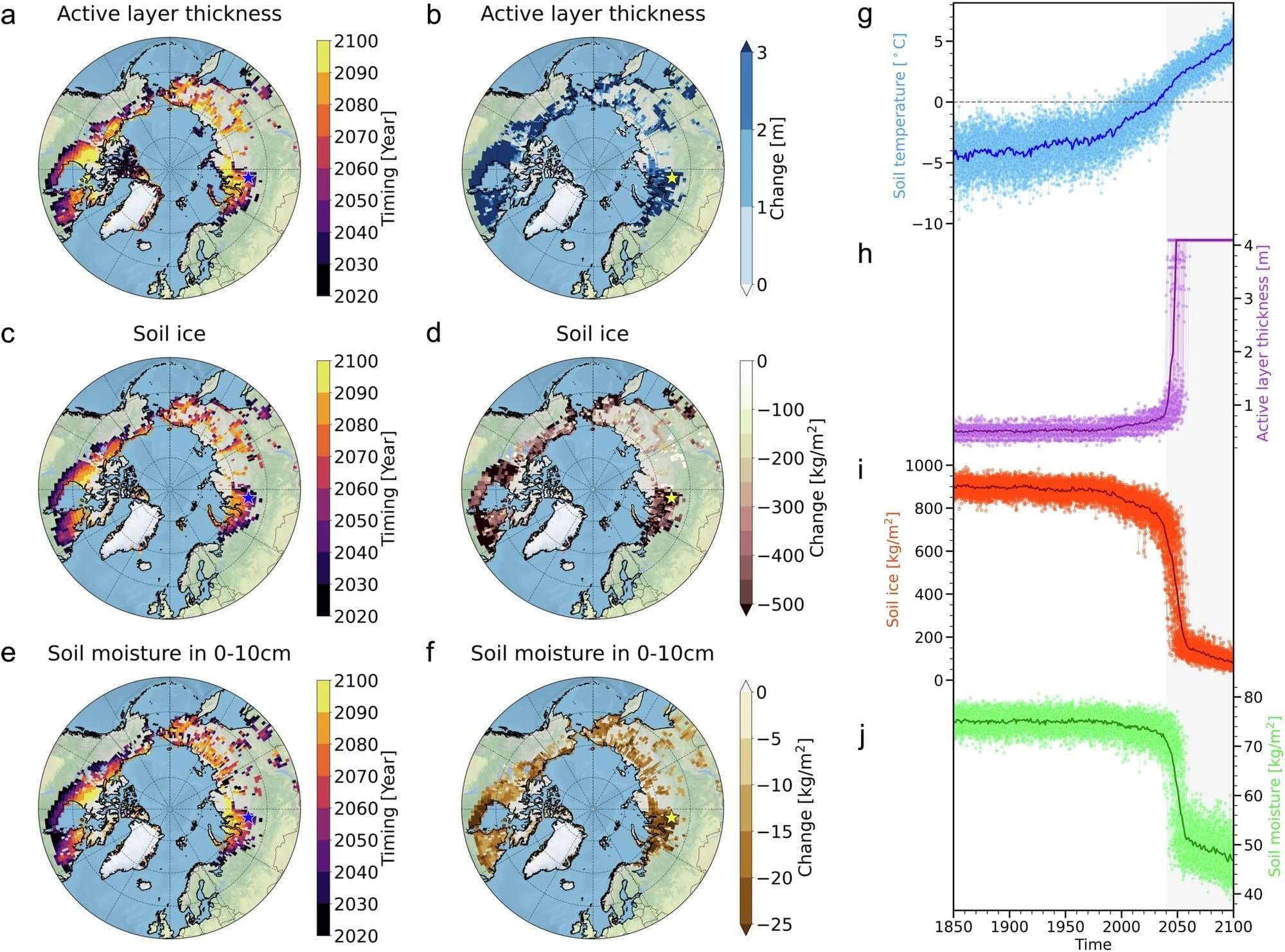
The research employed the Community Earth System Model (CESM) to generate concerning forecasts. By 2100, wildfires could sharply increase across the Arctic regions. Utilizing historical records from 1850 onward alongside emissions projections, these models predict conditions will become increasingly favorable for large-scale fires mid-century, potentially reshaping Arctic ecosystems permanently.

Consequences of Thawing Permafrost
Permafrost has historically functioned as a massive carbon reservoir by storing organic matter that would otherwise decay and emit greenhouse gases. Rising global heat, however, causes this frozen ground to melt, releasing significant levels of carbon dioxide (CO₂) and methane (CH₄).
- Permafrost melting: As frozen soils thaw, trapped carbon and methane escape into the air.
- Soil desiccation: Thawing makes the ground drier, producing ideal conditions for wildfires to ignite.
- Escalated wildfire chances: Warmer air plus dry soils create the perfect environment for fire outbreaks.
This scenario risks initiating a positive feedback cycle: the released gases intensify atmospheric warming, prompting further permafrost melt and additional greenhouse emissions, accelerating regional and global climate changes.
A Hazardous Feedback Mechanism
Melting permafrost contributes not only to local temperature rises but also heightens wildfire risk. These fires then release even more greenhouse gases, reinforcing climate warming through a vicious cycle:
- Carbon emissions from fires: Wildfires emit large volumes of carbon and methane into the atmosphere.
- Accelerated permafrost thaw: Increased regional heat speeds up permafrost melting, unleashing more greenhouse gases.
- Amplified climate warming: This escalating loop worsens global temperature rise.
Such a feedback loop may lead to more frequent and severe wildfires in the Arctic, driving irreversible shifts in its climate and ecosystems.
Permafrost’s Global Carbon Storage Role
Permafrost extends well beyond local impacts; it is a vital global climate regulator. Encompassing roughly 24% of the Northern Hemisphere, it stores over 1,700 billion metric tons of carbon in frozen organic matter preserved for thousands of years. With rising temperatures, the decomposition of this material is beginning.
The resulting surge of carbon and methane emissions threatens to accelerate global warming dramatically:
- Carbon liberation: Thawing releases carbon locked away for millennia into the atmosphere.
- Methane discharge: Methane, a far stronger greenhouse gas than CO₂, is emitted as soils thaw.
- Reinforcing greenhouse effect: Elevated greenhouse gases hasten further permafrost thaw and carbon release.
Global Climate Implications
Increased Arctic wildfires could wreak havoc far beyond the region. These fires may devastate fragile ecosystems and release immense greenhouse gas quantities, intensifying worldwide warming. Previously fire-resistant landscapes could become vulnerable, threatening native wildlife and disrupting global climate patterns.
Experts caution that unless global warming is curbed, these risks will deepen, producing irreversible impacts. The Arctic’s shift towards frequent wildfires threatens to destabilize the global climate system, influencing weather, sea levels, and ecological health internationally.
Urgent Measures Needed
Scientists emphasize the importance of swift monitoring and response efforts. To counteract thawing permafrost and rising wildfire occurrences, potential strategies include:
- Enhanced surveillance: Increased observation of permafrost conditions and Arctic fire activity.
- Preventative tactics: Controlled burns and firebreaks to manage wildfire spread in susceptible areas.
- Emission reductions: Rapid cuts in greenhouse gas outputs to slow warming and permafrost melt.
As the Arctic continues to heat and lose its frozen foundation, it faces becoming a battleground for wildfires, reshaping its environment irreversibly. These developments imperil local wildlife, disrupt indigenous ways of life, and carry profound consequences for the global climate.
The ongoing warming and thawing trends signal a rising threat of forest fires in the Arctic, which could permanently alter this remote region. Such fires jeopardize native species, affect human communities, and contribute to worldwide climate instability.
- Categories:
- Climate change






0 comments
Sign in to Comment