
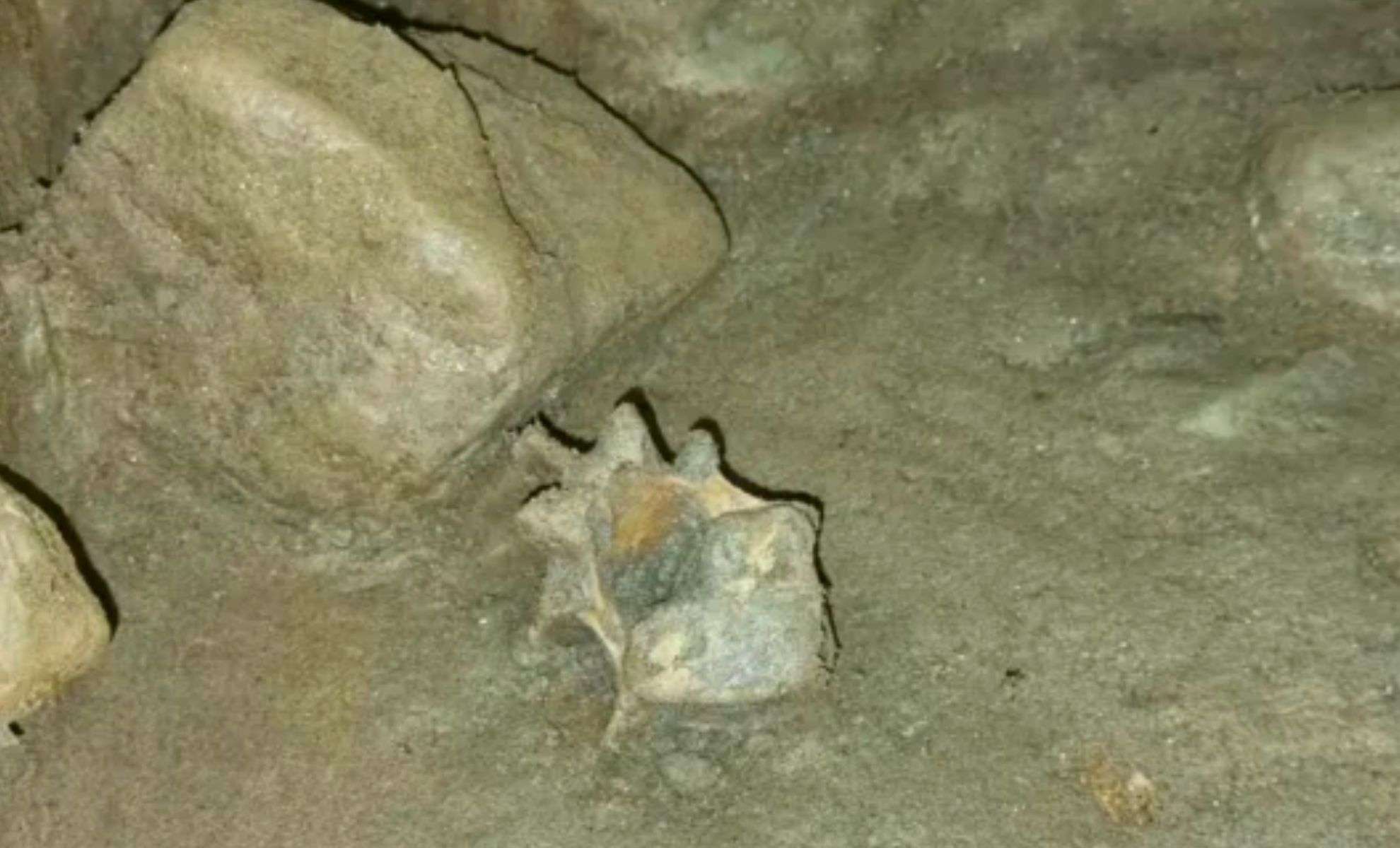
Hidden within the mountains of northern Norway, researchers have discovered remains from 46 different Ice Age creatures, preserved intact for more than 75,000 years inside a secluded cave. This extraordinary finding, shared in a recent publication in the Proceedings of the National Academy of Sciences, offers new insights into an Arctic environment once believed to have been entirely erased by glaciers. Excavated from a single chamber near Kjøpsvik, the location hosts one of the richest assortments of prehistoric animal fossils ever located in the European Arctic.
Revealing a 75,000-Year-Old Frozen Archive
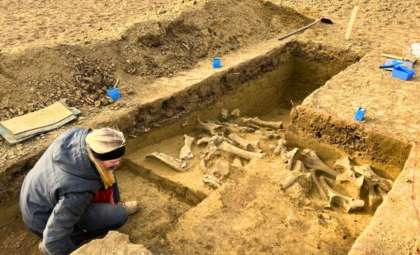
Arne Qvam Cave, part of Norway’s Storsteinhola karst system in the Narvik area, had remained mostly untouched until 2021. Although it has been known since the early 1990s, extensive excavations were only initiated under archaeologist Trond Klungseth Lødøen. The team uncovered an exceptionally preserved record of Arctic wildlife from a warmer phase of the last Ice Age, termed Marine Isotope Stage 5a.
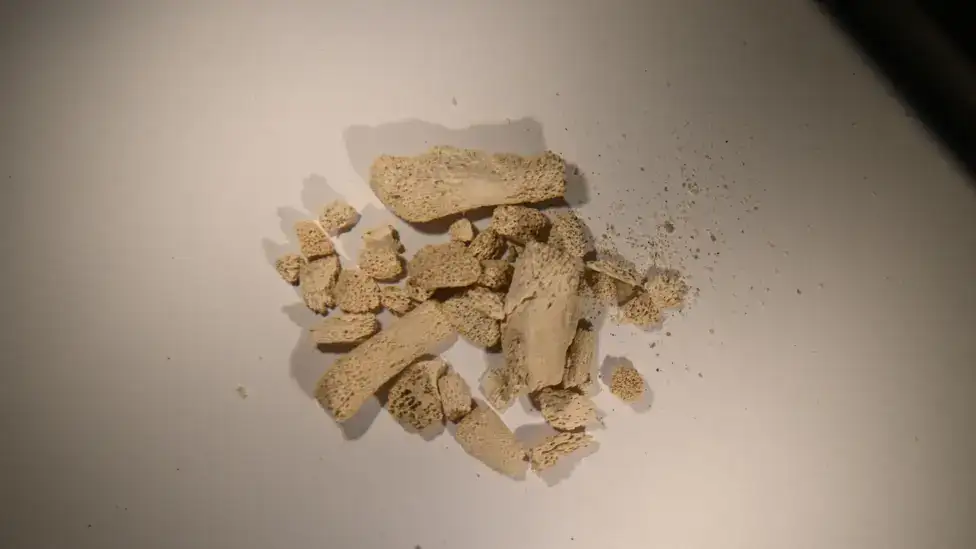
As reported by Arkeonews, more than a thousand buckets of sediment were painstakingly sifted to recover thousands of bone fragments. The cave’s elevated position and efficient natural drainage helped the layers avoid destruction from advancing glaciers.

A Glimpse Into Ice Age Biodiversity
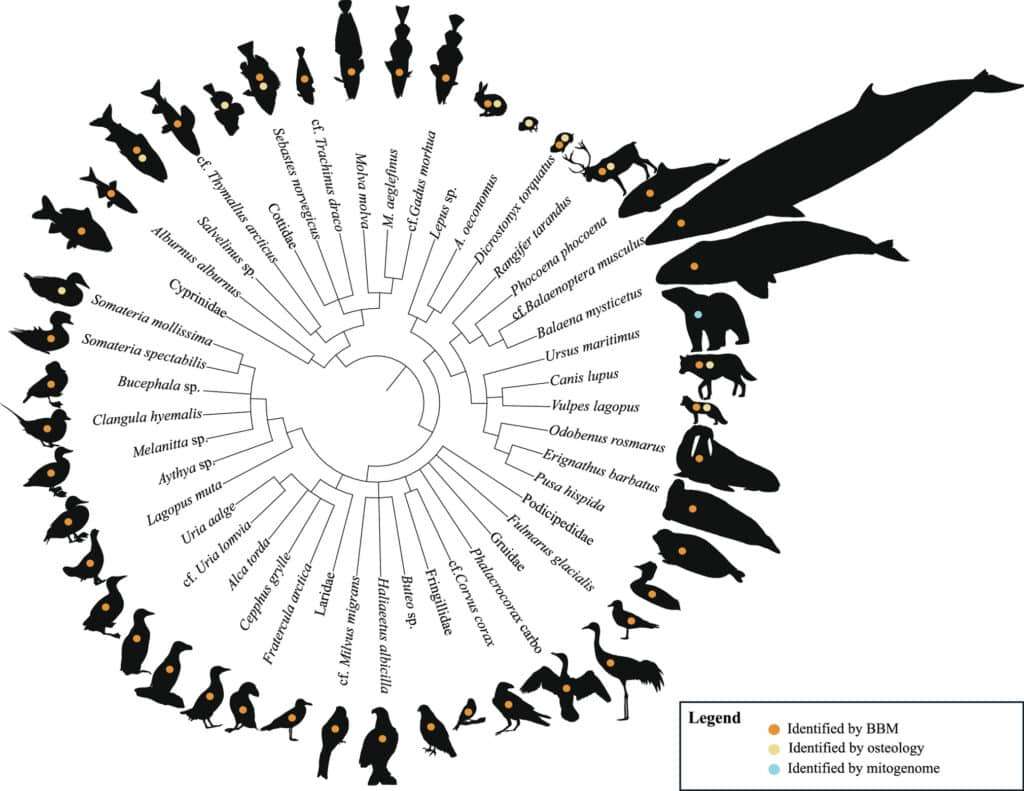
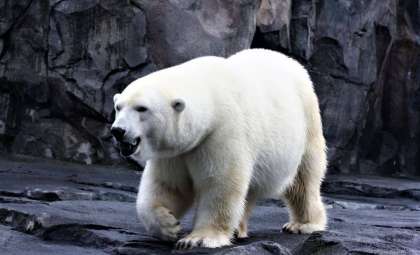
The PNAS study reports the identification of 23 bird species, 13 mammals, 10 fish species, alongside various marine invertebrates and plants. Mammalian fossils included polar bears, walruses, Arctic foxes, reindeer, and seals. Larger marine creatures such as blue whales and harbor porpoises were also present.
The bird remains spanned seabirds like auks and ducks as well as terrestrial species like ravens, cranes, and ptarmigans. Evolutionary biologist Sanne Boessenkool from the University of Oslo highlighted that this diverse assemblage offers a rare window into a complex Ice Age Arctic ecosystem incorporating sea ice, open waters, tundra, and rivers.
“We get a glimpse of a complete Ice Age ecosystem — a mix of tundra, sea-ice, and open water — that we knew almost nothing about before.”
From Fragmented Bones to Lost DNA Profiles
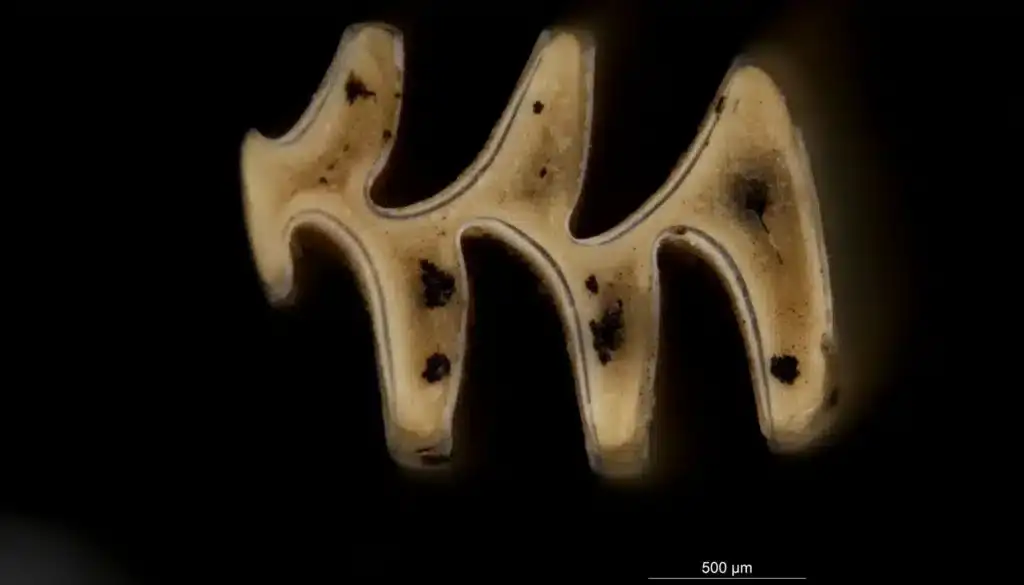
Most bones were severely fragmented, rendering conventional fossil identification challenging. Researchers therefore applied DNA metabarcoding, a genetic technique that deciphers species from traces of DNA in mixed samples.
The results revealed that some species belonged to extinct genetic lineages. Lead author Samuel J. Walker from Bournemouth University explained that although certain Arctic species reestablished populations after glacial periods, other lineages failed to endure drastic climatic upheavals.
“This lets us build a far more detailed picture of past animal life,” added paleontologist Hanneke Meijer, who was not involved in the study but praised the approach as a breakthrough in Arctic paleontology.
Animal Haunts and Waterborne Remains
No evidence suggests that humans occupied the cave; there were no artifacts, fire remnants, or cut marks on any bones. Scientists infer that predators like polar bears and foxes dragged prey into the shelter, while marine species were likely carried in through meltwater flooding from the nearby coast.
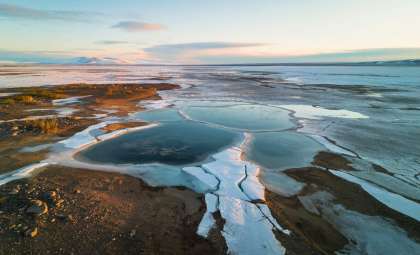
Porpoise bone fragments point to open stretches of water, and remains of seals and polar bears confirm the presence of sea ice in certain seasons. Additionally, fossils of migratory reindeer suggest open tundra landscapes without year-round glacial coverage. Boessenkool summed up how this discovery challenges previous assumptions:
“Many Norwegians assume their country was completely buried in ice throughout the last Ice Age. That’s not the case,” she said. “There were large variations, with warmer intervals when the coast remained habitable.”
While most Ice Age remains in Scandinavia were destroyed by glacial advances, this high-altitude cave was shielded by its topography and natural drainage, preserving an unexpected time capsule full of vital clues about how Arctic ecosystems endured changing climates.
- Categories:
- Science



0 comments
Sign in to Comment