
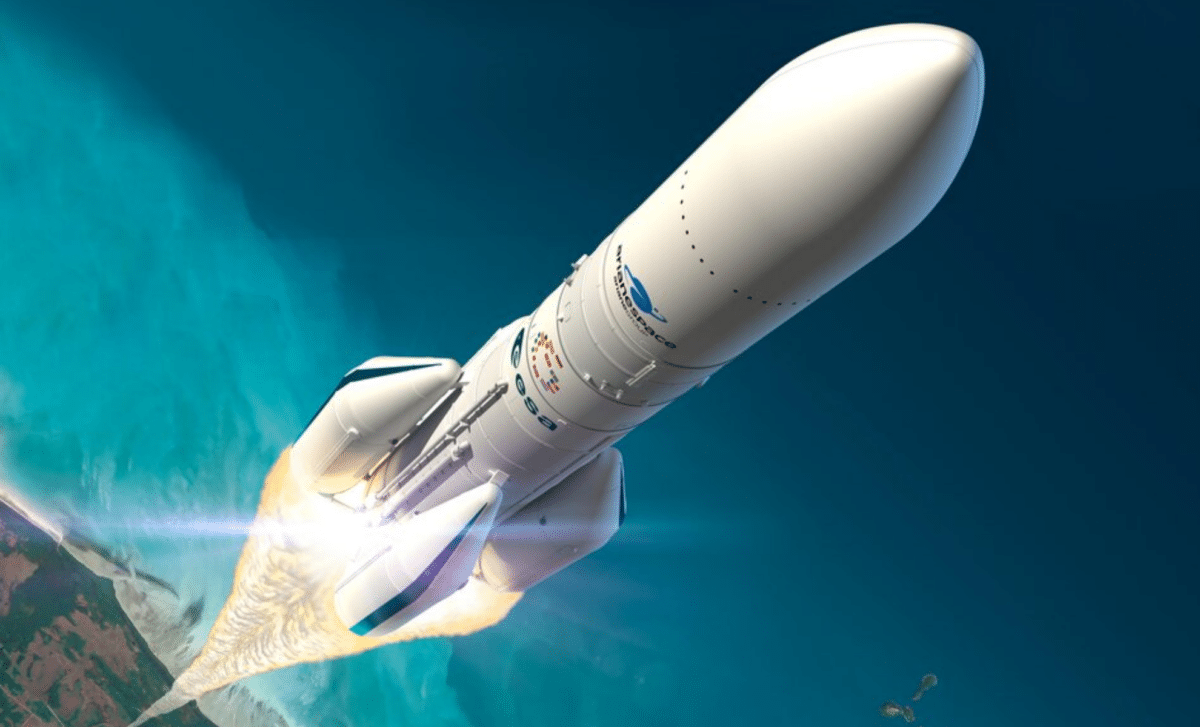
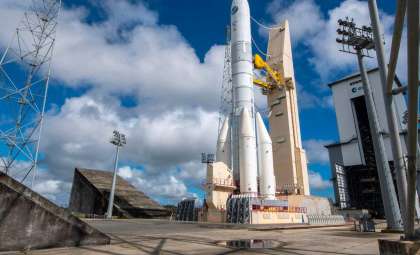
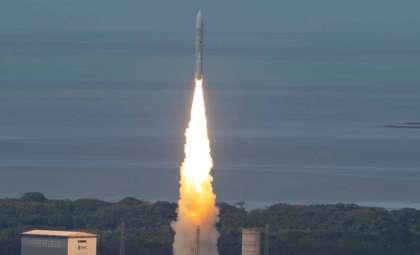
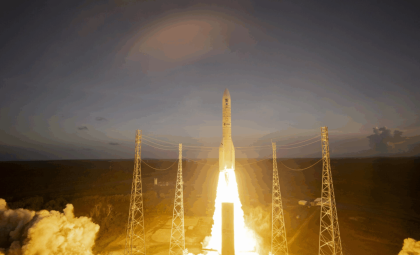
The Ariane 6 rocket is gearing up for a pivotal launch, entering its most forceful configuration ever, the European Space Agency (ESA) reports. This mission signifies a crucial advancement in reestablishing Europe’s sovereign capabilities in space access and validates extensive industrial progress achieved over recent years.
Heavy-Lift Variant Tailored for Intensive Payload Delivery
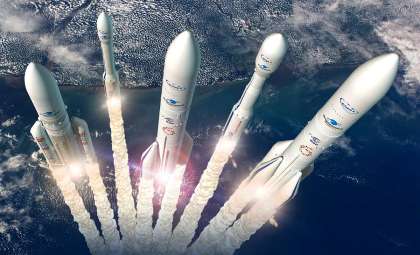
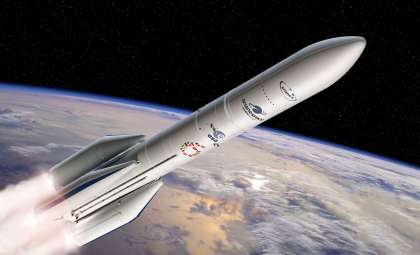
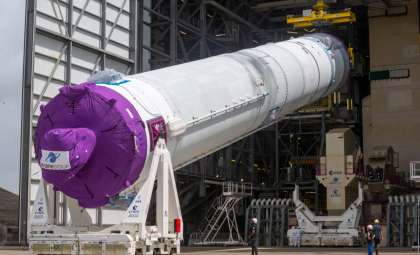
The imminent flight will feature Ariane 6 outfitted with four solid rocket boosters, engineered specifically to handle the most challenging space assignments, both governmental and commercial. This setup enables the delivery of substantial payloads to elevated orbits like geostationary transfer orbits, as well as intricate satellite cluster deployments.
At liftoff, the simultaneous ignition of four boosters will result in a substantial thrust boost compared to the two-booster model, as reported by Ariane 6. This increased power is designed to meet Europe’s strategic demands, encompassing high-mass spacecraft, scientific instruments, and security payloads.

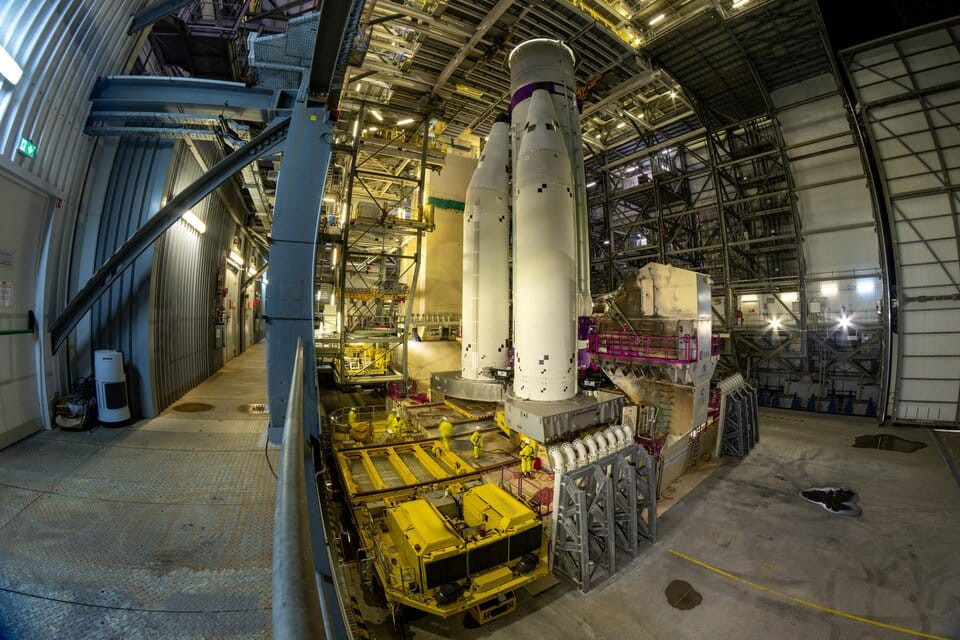
ESA describes this upcoming launch as a critical test rather than a standard operation. Every aspect, from propulsion to structural integrity and navigation, will be analyzed under peak stress. The rocket’s modular nature allows mission customization while maintaining a standard core and upper stage, a cornerstone of Ariane 6’s operational efficiency.
In this regard, ESA highlighted the mission’s significance, stating:
“This flight will demonstrate Ariane 6 in its most powerful version. For the development of Ariane 6, the European Space Agency works with an industrial network in 13 European countries, led by prime contractor and design authority ArianeGroup.”
This underscores the extensive collaboration vital to achieving flight readiness.
A Pan-European Industrial Collaboration
The Ariane 6 project is a joint endeavor spanning 13 European nations, combining specialized expertise in areas like propulsion, avionics, structural engineering, and launch operations.
Every booster, stage, and component reflects a collective effort shaped by unified engineering protocols and exhaustive testing, aiming to maximize efficiency and reliability from concept to launch.
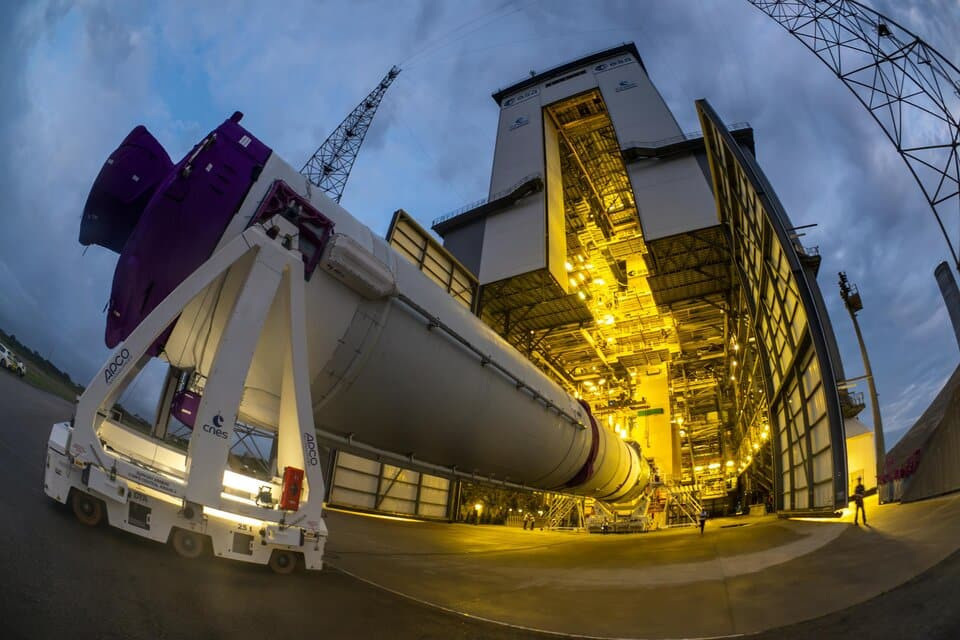
ArianeGroup acts as the main contractor and design authority, managing this cooperative framework to ensure uniform quality across all suppliers and production processes. Achieving synchronization and handling structural forces with four boosters add layers of complexity addressed through comprehensive simulations and ground testing.
According to ESA, data gathered during this mission will contribute directly to certification procedures and future flight planning. This launch is viewed as a benchmark for high-capacity missions.
The technical insights cited derive from analyses and program materials provided by ESA, which underpins the launcher's certification approach.
Europe’s Strategic Push for Autonomous Space Access
Beyond technology, the Ariane 6 launch with four boosters holds strategic importance. Europe is committed to sustaining independent space access amid growing international competition and shifting commercial launch markets.
The Ariane 6 was designed to meet both governmental needs and commercial demands, balancing affordability with flexibility. Demonstrating its maximum power establishes confidence in this balance.
For government clients, the heavy-lift version broadens options to deploy large satellites independently of non-European launchers. The commercial sector benefits from a competitive European alternative capable of managing sophisticated payloads.
ESA considers this launch part of the transition where Ariane 6 takes over from Ariane 5, with operational feedback guiding subsequent upgrades and protocols.
This mission also acts as a standard for dependability, crucial for customers securing long-term launch agreements.
As the countdown continues, this launch exemplifies a successful blend of engineering collaboration, industrial unity, and strategic ambition within Europe’s space transport sector.
- Categories:
- Space



0 comments
Sign in to Comment