
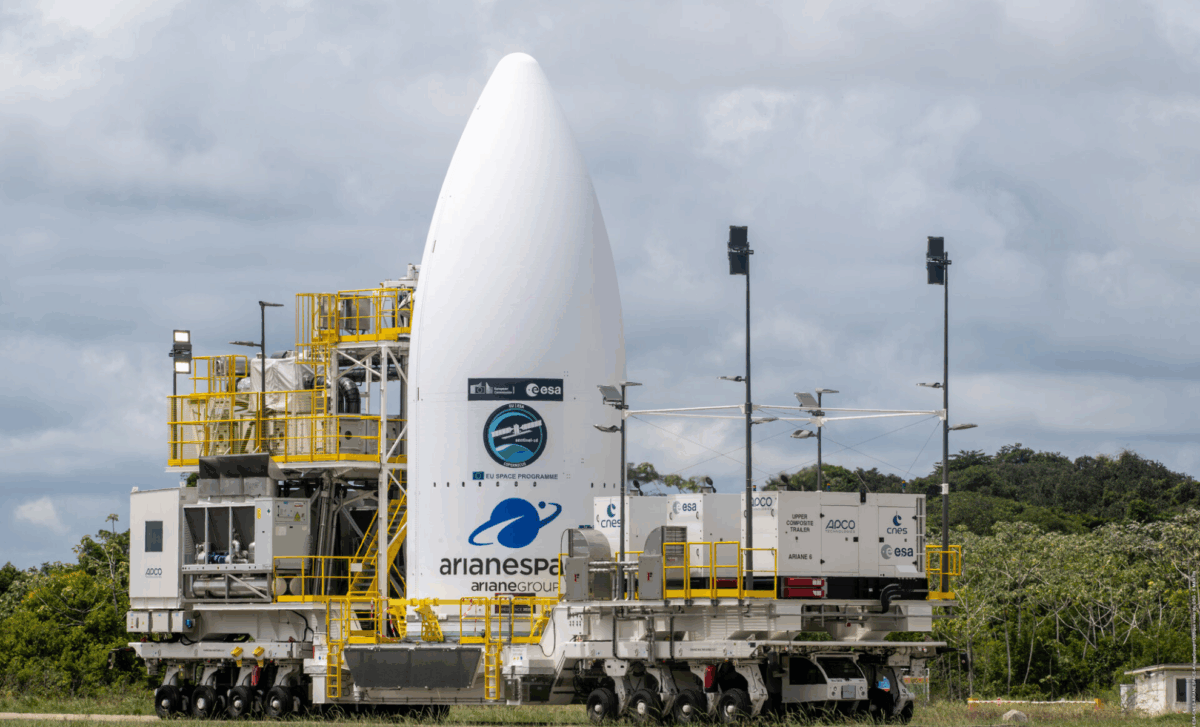
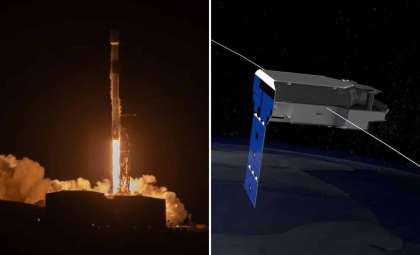
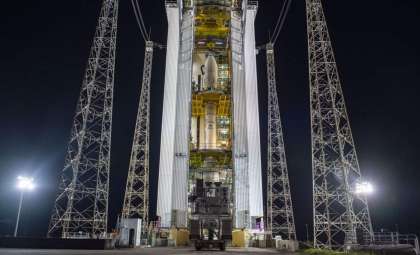
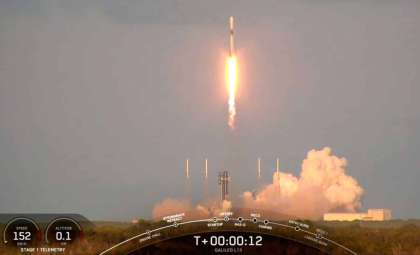
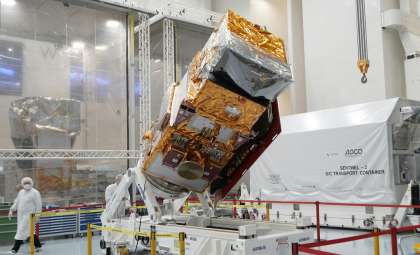
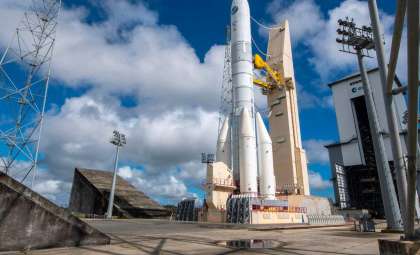
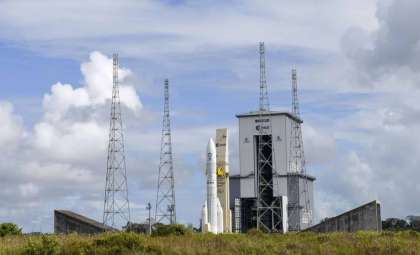
Europe’s Ariane 6 rocket is preparing for its fourth launch today, delivering the vital Sentinel-1D satellite into orbit. This mission enhances Earth observation, supporting efforts in disaster management, environmental tracking, and maritime safety. As part of the European Space Agency’s (ESA) Copernicus initiative, the satellite will advance global data gathering and surveillance. This launch signals Europe’s growing footprint in space technology, following several successful test flights.
Sentinel-1D’s Essential Contribution to Earth Surveillance
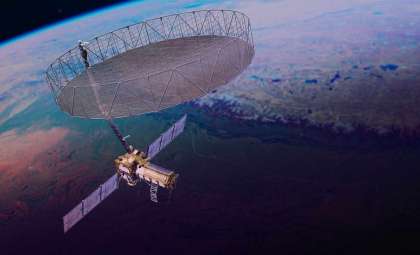
Far more than an ordinary satellite, Sentinel-1D plays a crucial role within the ESA’s Copernicus Earth observation program. It delivers high-resolution radar images, capable of capturing precise information about the Earth's surface regardless of weather or lighting conditions. The ESA emphasizes that this capability is vital for responders, environmental groups, maritime authorities, and climate researchers who depend on swift and accurate data.
Unlike traditional optical sensors, Sentinel-1D’s radar systems penetrate clouds and operate during nighttime, making it invaluable for regions with variable weather or urgent response needs like natural disasters and ecological monitoring.

Replacing the aging Sentinel-1A, which exceeded its intended lifespan, Sentinel-1D along with its counterpart Sentinel-1C, will ensure uninterrupted, dependable Earth observation, safeguarding continuous access to critical environmental data.
Stronger Together: Sentinel-1D Partnering with Sentinel-1C
The synergy between Sentinel-1D and its predecessor Sentinel-1C forms a robust satellite network. ESA notes that this duo generates "timely data," benefiting a wide array of stakeholders from governments to private sector users. Both satellites are equipped with state-of-the-art radar instruments, including C-band synthetic aperture radar (SAR) technology, providing detailed Earth imaging.
This radar tech is instrumental for various uses such as urban monitoring, agriculture assessment, and disaster management. Additionally, the satellites carry an Automatic Identification System (AIS) to track global ship movements, playing a vital role in maritime security and environmental enforcement by detecting illegal fishing and pollution.
Thanks to these advanced capabilities, the network of Sentinel-1 satellites delivers indispensable data to inform critical choices worldwide, especially amid escalating climate challenges and natural calamities. Together, Sentinel-1C and Sentinel-1D significantly strengthen ESA’s mission to provide precise, actionable Earth insights.
Ariane 6 Rocket: Europe’s Leap Forward in Space Launch Technology
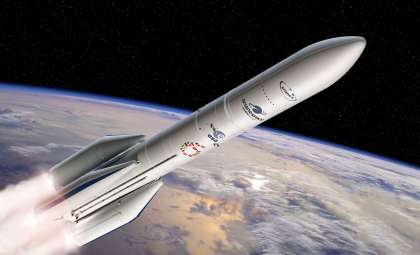
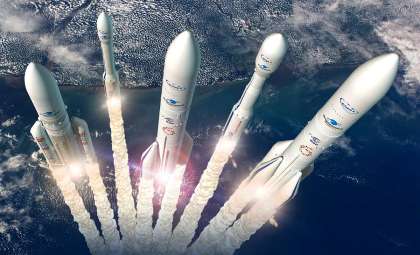
The Ariane 6 rocket marks a new chapter for European space endeavors. Designed for heavy payloads, it can deploy satellites like Sentinel-1D, scientific instruments, and communications gear. This rocket succeeds the Ariane 5, which served for nearly 30 years before retiring in July 2023.
Despite initial technical hurdles on its debut flight in 2024, Ariane 6 demonstrated Europe’s competitiveness against major launch providers such as SpaceX. Offering the ability to lift heavier cargo with improved cost efficiency, Ariane 6 is set to become a cornerstone in both European and international space missions.
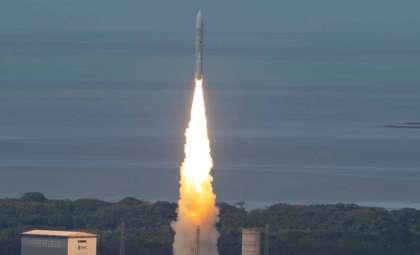
Under Arianespace’s strategic vision, Ariane 6 will significantly expand Europe’s space capabilities. Today’s launch of Sentinel-1D represents a crucial milestone for the program, reinforcing the rocket’s journey toward full reliability. Having already completed several successful missions, Ariane 6 is establishing its reputation as a dependable next-generation launch platform.
- Categories:
- News

0 comments
Sign in to Comment