
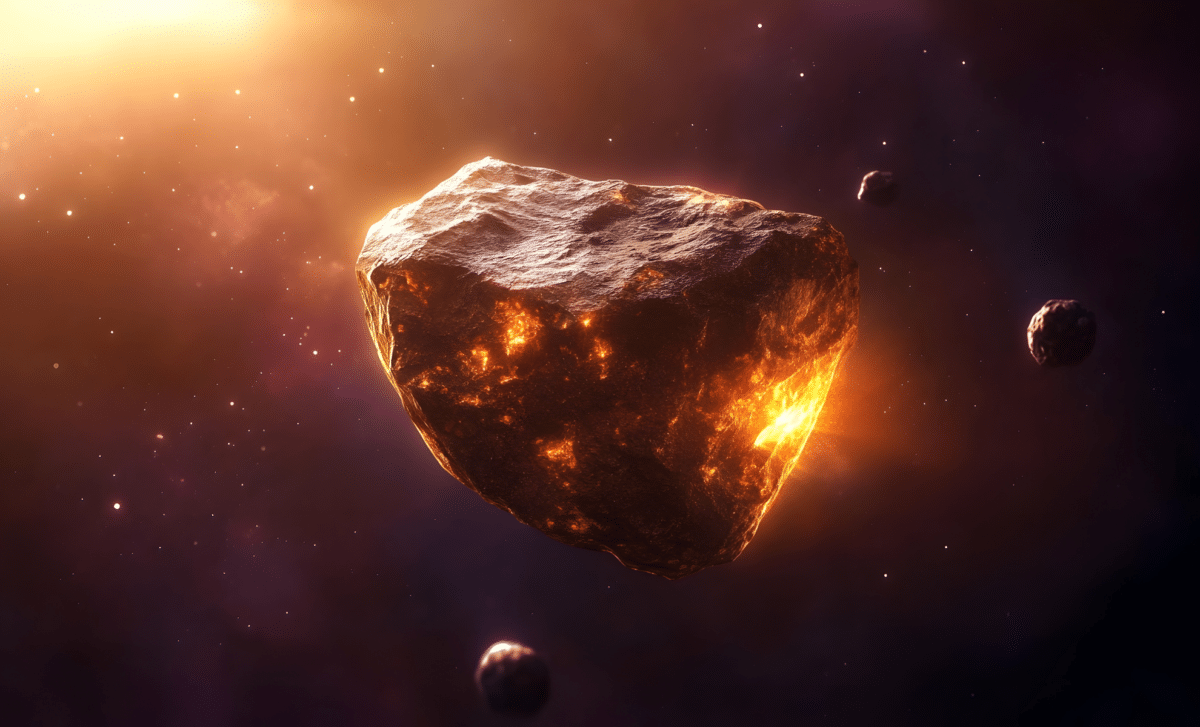
A recent investigation featured in the Monthly Notices of the Royal Astronomical Society (MNRAS) delves into the potential benefits and challenges of mining asteroids. Led by Dr. Josep M. Trigo-Rodríguez from the Institute of Space Sciences (ICE-CSIC) and the Catalonian Institute of Space Studies (IEEC), the study focuses on carbon-rich C-type asteroids, which constitute a major portion of Near-Earth Asteroids (NEAs).
Uncovering the Truth: Why Most Asteroids Aren't Gold Deposits
The team examined carbonaceous chondrites, a fragile form of meteorites that reach Earth but are seldom recovered intact. These meteorites, derived from primitive asteroids, provide vital insights into the elemental composition of their parent bodies.
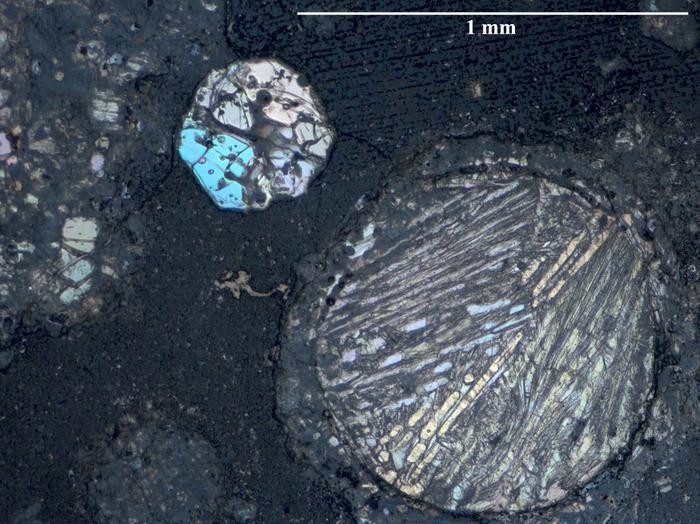
Utilizing mass spectrometry across six distinct categories of these chondrites, the researchers mapped their chemical diversity and mineral contents in detail. The findings suggest that while scientifically significant, many asteroids may lack the concentration of valuable metals necessary to justify mining efforts.

“At ICE-CSIC and IEEC, we specialize in developing experiments to better understand the properties of these asteroids and how the physical processes that occur in space affect their nature and mineralogy. The work now being published is the culmination of that team effort,” said Dr. Trigo-Rodríguez.
The study, accessible through the MNRAS, moderates previous optimistic expectations for asteroid mining as a rapid path to abundant resources. It highlights that many carbonaceous asteroids are comparatively deficient in precious metals, contradicting the excitement fueled by early 2010s investors and space entrepreneurs.
Water: The True Valuable Commodity in Space
Though precious metals appear sparse, the researchers point to water-rich asteroids as practical targets. These bodies could supply critical water resources for producing rocket fuel, potable water, and sustaining life support on long missions.
“Extracting water from carbonaceous, hydrated asteroids seems a feasible venture, enabling supplies as fuel or essential resources for human exploration of space,” Trigo-Rodríguez stated. This perspective aligns with ongoing efforts by space agencies and private sectors preparing lunar habitats and human missions to Mars.
Additionally, there is an important planetary defense benefit. “Studying these bodies enhances our understanding of objects that could pose future risks to Earth. Ultimately, we might even mine hazardous asteroids to reduce their threat,” Trigo-Rodríguez added. This combined resource and safety focus could inspire further interest despite challenging economics.
Challenges in Developing Space Mining Technologies
Despite advances in asteroid knowledge, mining in microgravity remains a formidable technical obstacle. Extracting and hauling materials in space involves complex engineering difficulties and environmental concerns, such as debris control.
“Alongside the progress represented by sample return missions, companies capable of taking decisive steps in the technological development necessary to extract and collect these materials under low-gravity conditions are truly needed. The processing of these materials and the waste generated would also have a significant impact that should be quantified and properly mitigated,” Trigo-Rodríguez emphasized.
This observation highlights the gap between visionary goals and current capabilities. Many early asteroid mining startups have ceased operations or changed direction due to the intricate costs and complexities. Building robotic miners, scalable infrastructure, and technologies for in-situ resource utilization (ISRU) will be critical to turning space mining aspirations into reality.
The Scientific Importance Beyond Commercial Hopes
Beyond economic considerations, studying asteroid samples remains vital for unraveling the history of our solar system.
“Studying and selecting these types of meteorites in our clean room using other analytical techniques is fascinating, particularly because of the diversity of minerals and chemical elements they contain. However, most asteroids have relatively small abundances of precious elements, and therefore the objective of our study has been to understand to what extent their extraction would be viable,” said Pau Grèbol-Tomàs, co-author of the study.
Though these results temper the dreams promoted by early space mining advocates, they lay down a sound scientific basis for future ventures. The researchers emphasize the need for more sample return missions, like Japan’s Hayabusa and NASA’s OSIRIS-REx, to validate findings and search for more promising extraction candidates.
- Categories:
- Science









0 comments
Sign in to Comment