
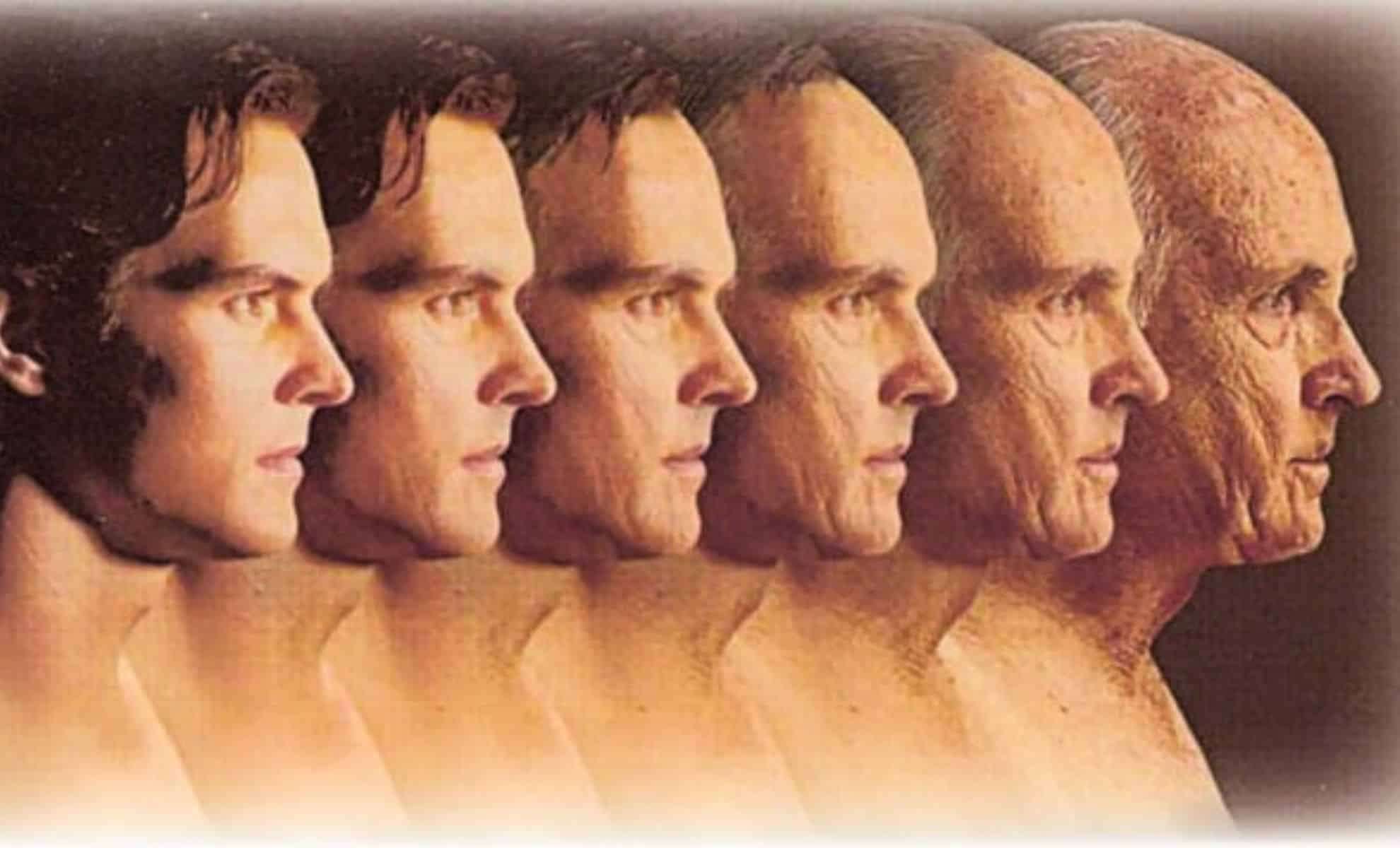
Groundbreaking research has uncovered that the human aging process is not a smooth, continuous decline but occurs abruptly at two specific ages: 44 and 60. This discovery sheds light on how internal biological transformations contribute to the aging experience.
Main Insights from the Aging Research
Michael Snyder, chair of genetics at Stanford School of Medicine, spearheaded the investigation. Their study involved analyzing biological data from participants aged 25 to 75, revealing crucial patterns in the aging phenomena.
The researchers identified sharp and significant alterations at the molecular and microbial level around ages 44 and 60, contradicting the traditional belief that aging progresses steadily with time.

Remarkably, about 81% of the molecules linked with aging exhibited major changes exclusively during these two phases, suggesting that aging unfolds through rapid biological events rather than a continuous timeline.
The Microbiome’s Impact on Aging
A vital aspect of the study highlights the microbiome—populations of bacteria, fungi, and viruses inhabiting our bodies. Predominantly located in the gut, these microbes assist in digestion, nutrient absorption, and produce essential vitamins like B12 and K, while influencing immunity and brain function.
The research indicates that the microbiome undergoes profound shifts at ages 44 and 60, coinciding with molecular changes connected to heart health, immune responses, and skin and muscle condition.
These microbial and molecular transformations may underlie the increased vulnerability to age-related illnesses such as Alzheimer’s and cardiovascular disorders emerging during midlife.
Influences of Lifestyle on the Aging Process
Although genes have a crucial role in aging, lifestyle choices are also influential in determining the pace and nature of bodily decline. The study points to factors like stress, nutrition, and alcohol intake as potentially accelerating aging-related breakdowns.
For instance, around their mid-40s, many individuals show altered alcohol metabolism, possibly linked to higher consumption driven by midlife pressures including career or family demands.
Better understanding how lifestyle intersects with biological changes could pave the way for strategies promoting healthy aging. Future research aims to explore how diet, physical activity, and stress reduction might influence these aging milestones.
Monitoring Molecular and Microbial Changes Over Time
This comprehensive study analyzed longitudinal biological samples from 108 participants, cataloging over 135,000 aging-related molecular and microbial variations.
The most notable shifts appeared during participants' mid-40s and early 60s, impacting metabolism, immune function, and cardiovascular health.
Co-researcher Dr. Xiaotao Shen noted that changes in alcohol, caffeine, and lipid metabolism were particularly prominent in individuals in their 40s, whereas those in their 60s showed marked modifications in carbohydrate metabolism, immune regulation, kidney function, and skin and muscle health.
- Categories:
- Science











0 comments
Sign in to Comment