
For centuries, humanity has pursued the dream of eternal life, from ancient alchemists seeking magical elixirs to modern philanthropists funding cutting-edge longevity studies. But what is the true upper boundary of human life?
A recent study led by researchers in Singapore offers a compelling answer—one that is both intriguing and somewhat disheartening. Despite remarkable medical advances, our physiology seems to impose an inescapable lifespan limit. Surprisingly, this threshold could be sooner than many had expected.
How Close Are We to Our Biological Lifespan Limit?
Human lifespans have gradually increased over time thanks to improved health care, nutrition, and living conditions. While average longevity has risen, the maximum age reached by individuals has remained more or less consistent.

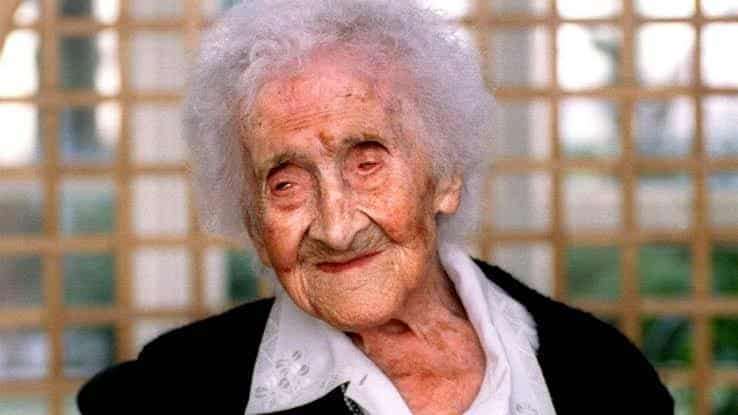
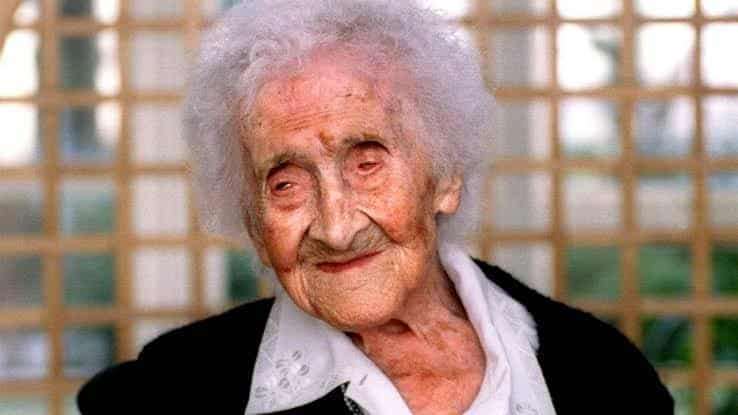
Consider Jeanne Calment, the French supercentenarian who holds the verified record for human longevity at 122 years. Centuries ago, attaining 100 years was an extremely rare feat, almost legendary in status.
Amid rapid medical progress, some experts have suggested people in the future might regularly live past 150. However, fresh findings indicate that biological limits may prevent us from pushing much beyond our current records.
Understanding Aging: Why Our Bodies Lose Their Bounce
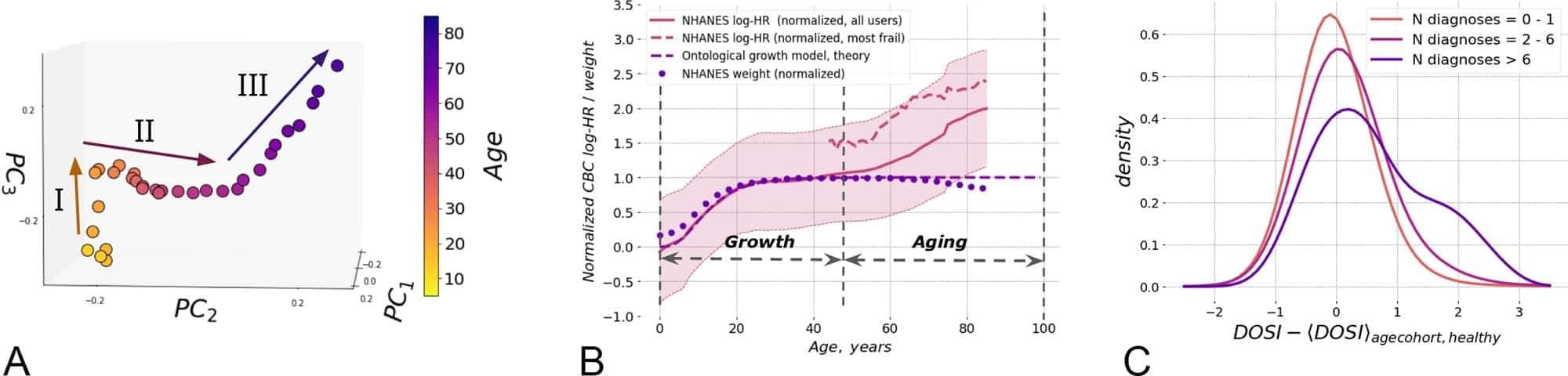
The scientists analyzed thousands of blood samples from people in the U.S. and U.K., aiming to uncover how the human body’s capacity to recover from stress and injury changes as we age.
They discovered that as we get older, our ability to recuperate from health setbacks diminishes dramatically. While a young adult might recover quickly from a fever or muscle soreness, by the age of 80, even minor health issues may take over a month to resolve. And past 90 or 100, recovery slows even further, sometimes becoming impossible.
This steady weakening, termed physiological resilience, appears to be the key factor limiting how long humans can live.
The 150-Year Threshold: Why Longevity Has Its Boundaries
According to the principal author, Timothy Pyrkov, aging can be seen as a gradual deterioration of the body's capacity to maintain stability. Eventually, the body becomes so fragile that even slight stresses, like mild infections, can provoke total systemic failure.
Employing sophisticated mathematical modeling, the researchers propose that human lifespan peaks between 120 and 150 years. Beyond this range, individuals would lose the ability to recover from health challenges, leading inevitably to collapse.
Crucially, this boundary appears unavoidable even for those avoiding major illnesses such as cancer or cardiovascular disease. The study, released under Gero, emphasizes that the decline in resilience itself—not only the presence of disease—dictates the maximum lifespan.
Why Haven’t We Surpassed the Longevity Record?
If the human body can theoretically live up to 150 years, why hasn’t anyone exceeded Jeanne Calment’s 122-year milestone?
One explanation is that although medical progress has boosted average life expectancy, the ultimate lifespan ceiling remains unchanged. We’re more successful at managing diseases and extending average life, but not in increasing the natural maximum lifespan.
The findings suggest that curing diseases like cancer or heart conditions won’t necessarily extend this limit. The weakening of physiological resilience means that eventually, the body loses its ability to repair itself regardless of prior health.
Charting the Path Forward: Can We Extend Lifespan Beyond 150?
While these conclusions may feel pessimistic, they could reshape longevity research’s direction. Scientists might focus less on disease prevention and more on tackling the progressive loss of resilience itself.
Emerging areas like regenerative therapies, biotechnology, and cellular reprogramming hold promise for slowing resilience decline, potentially pushing human life expectancy beyond current bounds.
For now, the takeaway is that despite optimizing diet, exercise, and medical care, an upper lifespan limit exists. Still, this understanding empowers us to pursue healthier, more rewarding lives within these natural constraints.
The quest to extend life continues, embarking on its next phase with fresh insight.
- Categories:
- Science






0 comments
Sign in to Comment