
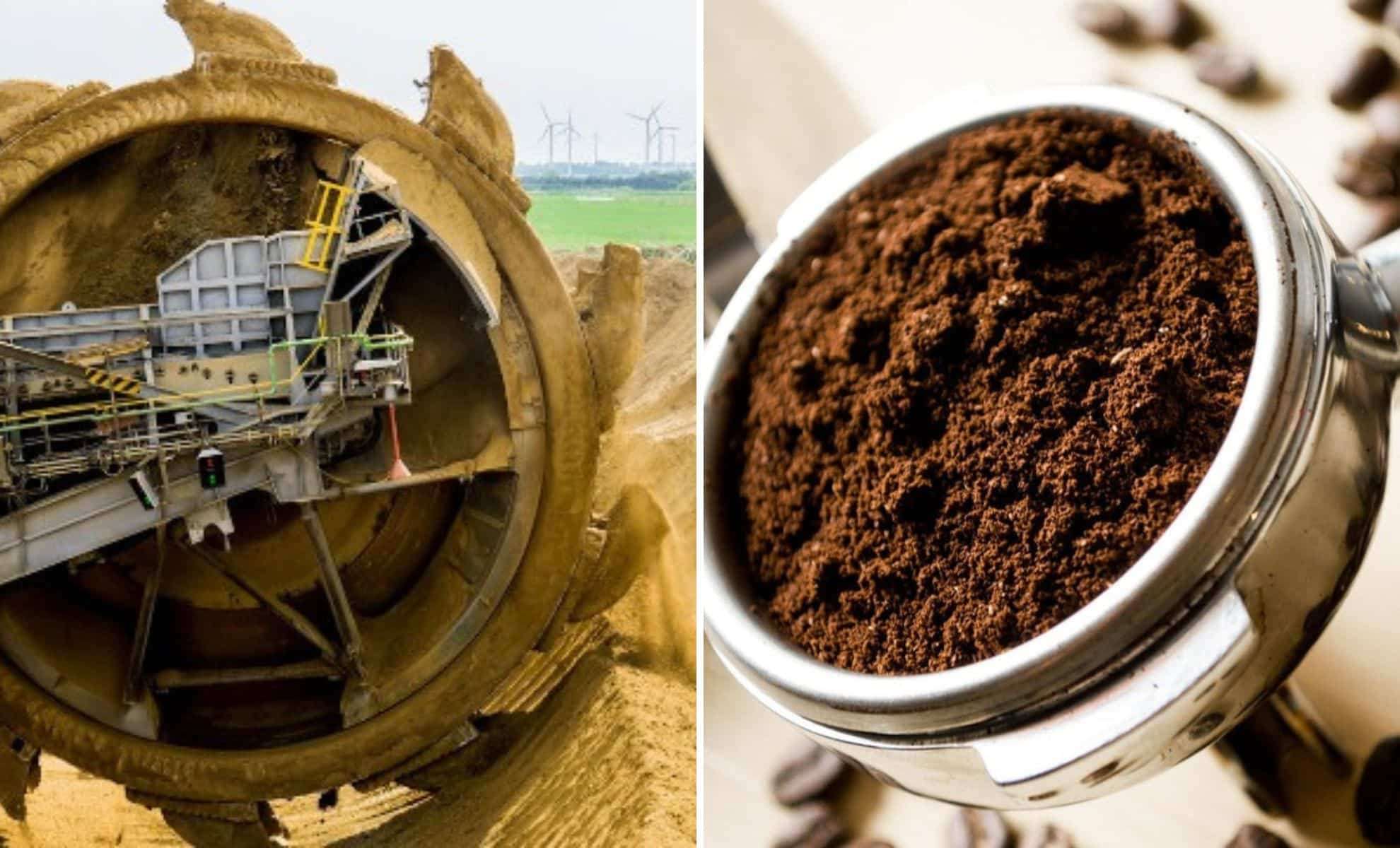
Every year, coffee grounds totaling an astonishing 10 billion kilograms are discarded globally, mostly ending up in landfills where they emit potent greenhouse gases like methane and carbon dioxide. However, a pioneering team at RMIT University in Melbourne, Australia, has unveiled a breakthrough: repurposing used coffee grounds to produce concrete that is up to 30% stronger. This approach offers an innovative way to turn common waste into a key component for sustainable urban development.
Unlocking Enhanced Concrete Strength Through Coffee Waste
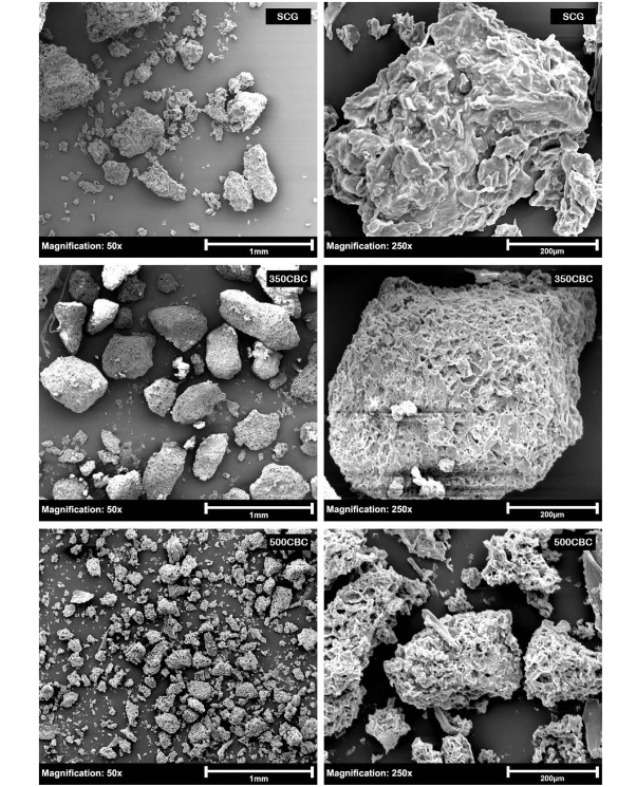
The secret is a technique called pyrolysis, which involves heating organic material to temperatures above 350°C in low oxygen conditions. Led by engineer Rajeev Roychand, the RMIT scientists proved that converting coffee grounds via pyrolysis creates a porous, carbon-rich biochar. When mixed into cement, this biochar reinforces the concrete, resulting in improved durability and environmental sustainability.
The study also revealed that raising the pyrolysis temperature to 500°C weakens the biochar, stressing the crucial role of controlled heating temperatures. “Organic waste disposal contributes significantly to greenhouse gas emissions…,” Roychand noted, highlighting the environmentally beneficial implications of this method.

Combating Environmental Issues with Coffee-Enhanced Concrete
The building sector faces two core environmental challenges: the disposal of organic waste and the overexploitation of sand resources. Extracting sand from riverbeds at unsustainable rates is damaging ecosystems worldwide. Incorporating biochar derived from coffee grounds as a partial sand substitute in concrete could alleviate the pressure on natural sand reserves.
Why Choose Coffee-Based Concrete?
- Eco-friendly impact: Cuts down landfill waste and greenhouse gas emissions while preserving natural sand deposits.
- Strength gains: Enhances the tensile and compressive strength of concrete by as much as 30%.
This innovation supports the global drive toward a circular economy, emphasizing the reuse of waste to reduce environmental harm.
Next Steps and Future Discoveries
Though early results are encouraging, the RMIT researchers stress that further testing is needed. They are evaluating the long-term resilience of coffee-based concrete against freeze-thaw cycles, moisture uptake, and abrasion. The team is also investigating whether other organic residues, such as wood scraps, food waste, and agricultural leftovers, can be converted into similar biochar materials.
Shannon Kilmartin-Lynch, a project engineer, reflected, “My research draws inspiration from Indigenous values of Caring for Country, focusing on sustainable material cycles and minimizing landfill waste to protect the environment.”
A Future Built on Coffee Innovation
Published in the Journal of Cleaner Production, this research illustrates how everyday items like used coffee grounds can contribute to greener construction solutions. By converting standard waste into a high-performance building ingredient, the RMIT team is opening new avenues for eco-conscious engineering.
So next time you savor a cup of coffee, remember it has the potential not just to invigorate you, but also to fuel a more sustainable planet.
The full study is available in the Journal of Cleaner Production.
- Categories:
- Science










0 comments
Sign in to Comment