
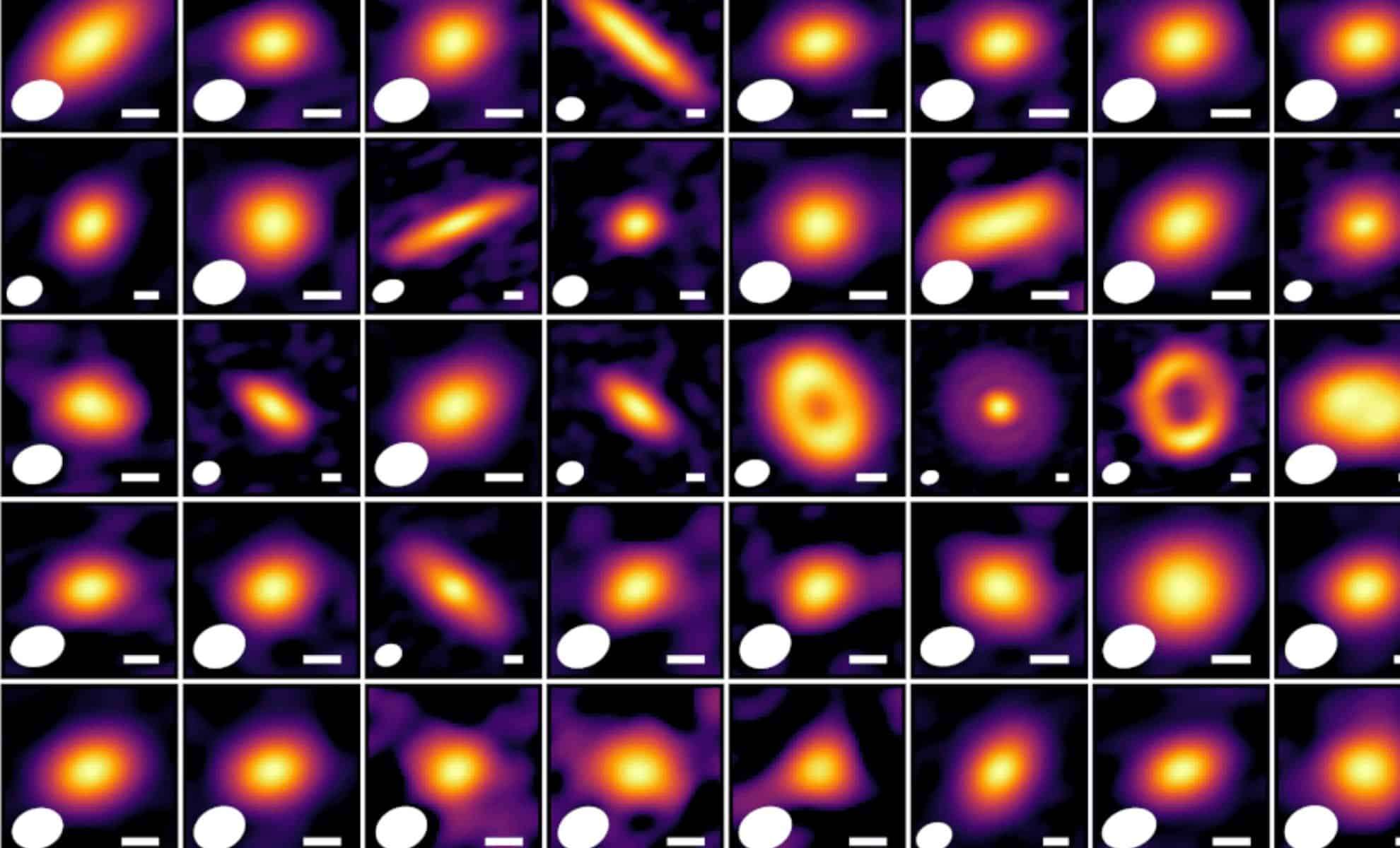
A pioneering investigation has enabled astronomers to witness the formation of infant planets within the Ophiuchus star-forming complex, situated approximately 460 light-years away from Earth. Utilizing sophisticated imaging innovations, researchers exposed the initial phases of planetary emergence, uncovering intricate features enveloping young stars that have never been detected before. The study, recently featured in The Publications of the Astronomical Society of Japan, sheds new light on the dynamic interplay between stars and their nascent planetary companions, overturning long-held views on the timing and mechanisms of planet formation.
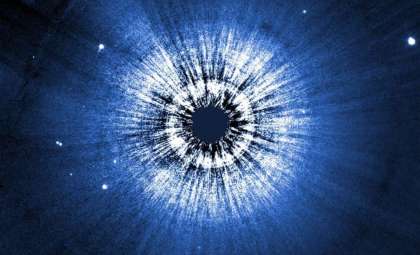
This breakthrough stems from detailed observations of protoplanetary disks, extensive clouds of gas and dust encircling newborn stars, which serve as the cradles for planet genesis. By examining 78 such disks within the Ophiuchus region, scientists identified striking formations like spiral arms and concentric rings—indicators of planet-building activity occurring at unexpectedly early stages. These insights enrich our grasp of how star and planet systems co-develop.
Cutting-Edge Imaging Techniques Uncover Earliest Planet Formation Phases
Researchers employed revolutionary super-resolution imaging methods, enhancing the clarity of protoplanetary disk observations by a factor of three versus traditional approaches. This leap in detail was made possible largely thanks to the Atacama Large Millimeter/submillimeter Array (ALMA), where 66 antennas function in unison to produce finely detailed views of stellar nurseries.

The survey identified that 27 out of the 78 disks possessed distinct internal structures such as rings and spirals, with 15 of these configurations being newly documented. The findings imply that planet formation may commence much sooner than previously believed, occurring while discs remain densely laden with gas and dust. This discovery challenges conventional models suggesting such complexity appears only in more advanced stages.
Further, the study links results from earlier large-scale surveys—including DSHARP and eDisk—which focused on disks at different maturity points. These prior projects indicated that rings and spirals were common around stars younger than a million years. However, by targeting stars aged between 10,000 to 100,000 years, the current research reveals that substructures arise at much younger ages, suggesting a closely synchronized evolution of stars and their planet-forming disks.
Crucial Role of Protoplanetary Disks in Star and Planet Genesis
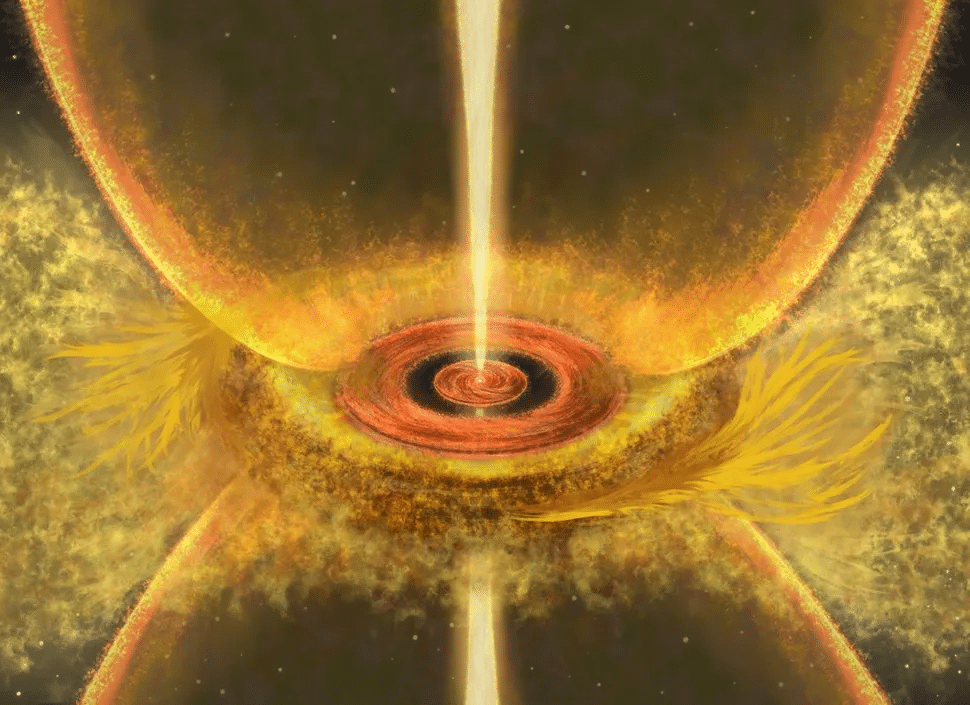
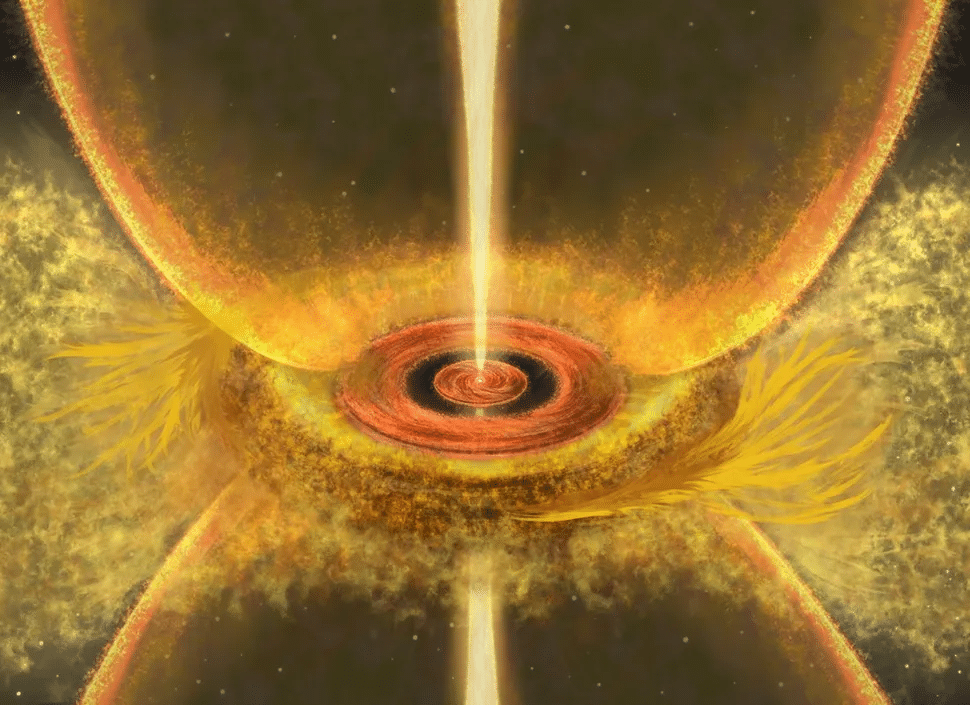
Deciphering the lifecycle of protoplanetary disks is essential to understanding the origins of planets. These disks consist of swirling gas and dust surrounding young stars, creating an environment for planetary bodies to coalesce over extensive periods. As a star amasses material, gravitational forces cause clumps within the disk to aggregate into planetesimals, the foundational units of planets. Over time, collisions and mergers between planetesimals lead to the formation of fully fledged planets.
The discovery of intricate substructures such as spiral arms and rings within these disks adds complexity to this developmental narrative. These features are believed to result from the gravitational effects of emerging planets drawing in nearby material, carving gaps, and sculpting ring-like formations. The interaction between nascent planets and their surrounding disk material generates the complex patterns seen in the Ophiuchus area.
Notably, these substructures exist around stars only a few hundred thousand years old, contesting earlier beliefs that such features evolve significantly later. This finding supports the idea that planet formation begins far earlier than assumed, with star and planet growth processes unfolding in tandem.
Advances in Super-Resolution Imaging Propel Discovery
The breakthrough hinged on utilizing super-resolution imaging, which drastically improved the researchers’ ability to resolve minute details in protoplanetary disks. Conventional imaging methods lacked the precision to visualize these small-scale features clearly. By employing the novel “Python module for Radio Interferometry Imaging with Sparse Modeling” (PRIISM), the team enhanced resolution threefold.
Ayumu Shoshi, leading researcher at Kyushu University, underscored the power of this technique: “The synergy between the eDisk and DSHARP projects was made possible by imaging advancements that combine superior resolution with extensive sample sizes,” he noted. Access to high-resolution data from a broad collection of disks was pivotal, unlocking new perspectives on planetary formation and setting the stage for further astronomical breakthroughs.
Exploring the Future of Planet Formation Research
The field of planetary formation remains in its infancy, with the Ophiuchus complex providing an exceptional laboratory to study the interplay of forces shaping emerging star-and-planet systems. Ongoing improvements in imaging and expanded surveys are expected to deepen understanding of how these systems materialize.
Shoshi emphasized that while the current revelations are confined to Ophiuchus, upcoming investigations will target other star-forming regions to evaluate the universality of these phenomena. “Though these conclusions presently apply solely to Ophiuchus’ disks, exploring other similar regions will clarify whether this pattern is widespread,” he affirmed.
This research marks a significant advance in decoding the co-development of stars and their planetary bodies, opening avenues that may challenge established paradigms. By probing the earliest stages of planet assembly, scientists aim to identify the fundamental mechanisms underlying the emergence of planetary systems, ultimately enriching our comprehension of solar system origins.
- Categories:
- News






0 comments
Sign in to Comment