
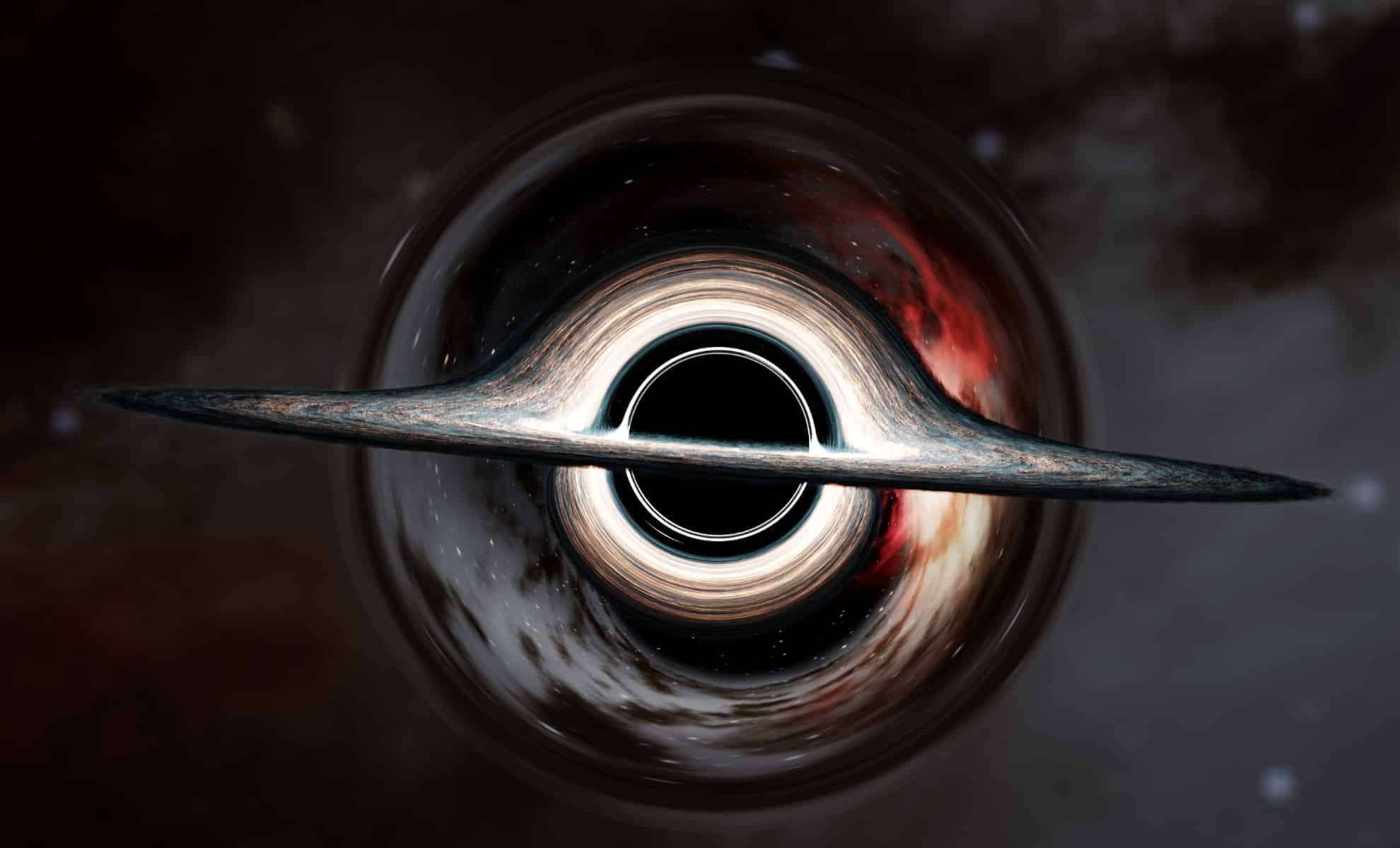
Black holes remain some of the Universe’s most puzzling and intriguing entities, and exploring them continues to challenge scientists due to their extreme nature.
Astrophysicist Cosimo Bambi from Fudan University in China has introduced a novel concept in a recent iScience publication that could revolutionize how we investigate these cosmic enigmas.
Using Black Holes as Extreme Physics Laboratories
With gravitational forces so intense that even light cannot break free, black holes represent the most powerful gravitational phenomena known. Despite considerable advancements, details about the interiors of black holes, especially inside the event horizon, remain largely speculative. Bambi remarks, “We do not know the structure of a black hole, namely of the region inside the event horizon,” and adds, “General relativity makes clear predictions, but some of them are certainly incorrect.”

He proposes that deploying a spacecraft to closely examine a nearby black hole is within the realm of possibility. According to Bambi, these celestial bodies serve as ideal environments to rigorously test general relativity in conditions that are otherwise unattainable. By placing a probe in orbit around a black hole, scientists could gain unprecedented insights into their properties and dynamics.
The Challenge of Locating a Suitable Black Hole
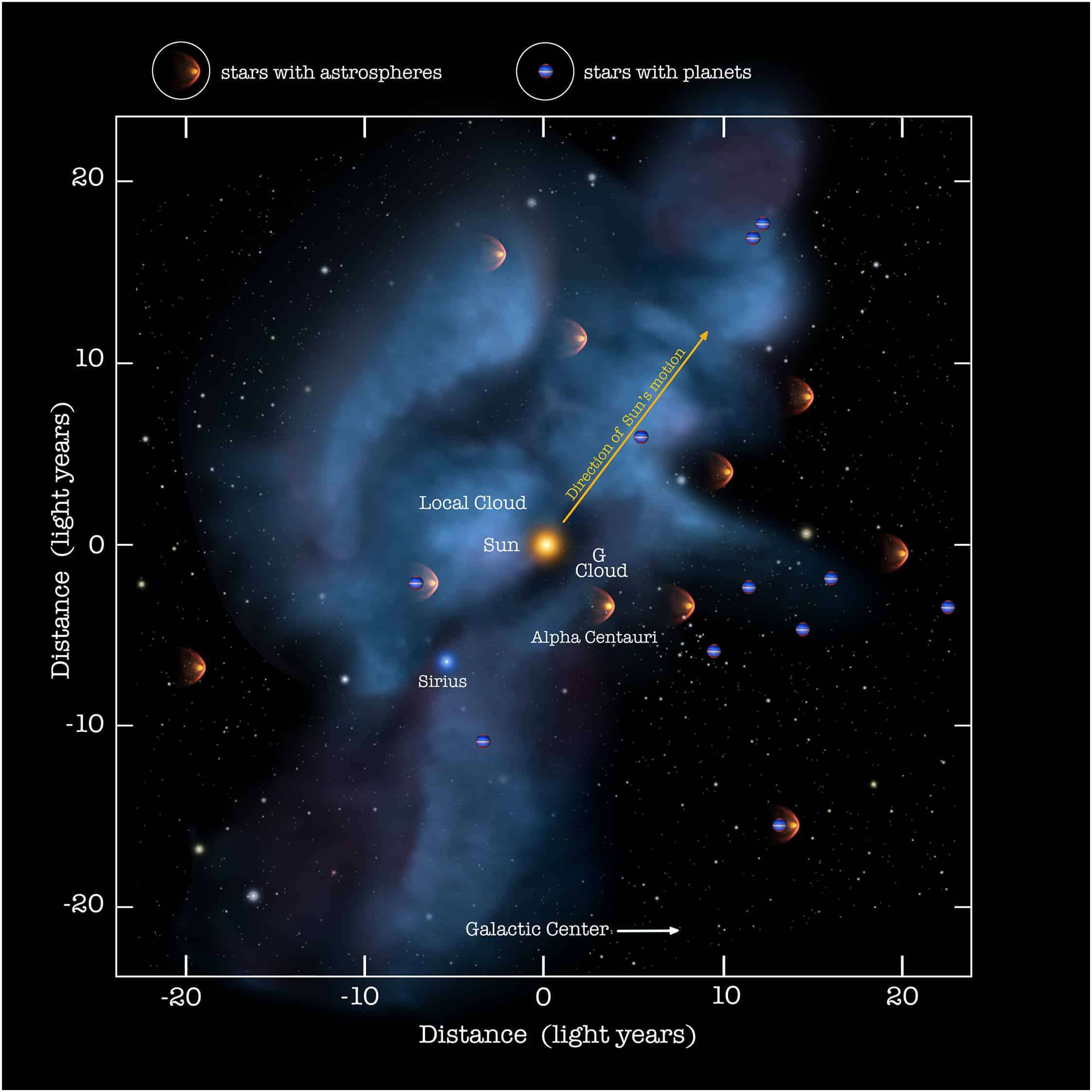
A major obstacle to this mission is identifying a black hole close enough to make the expedition practical. Presently, the nearest recognized black hole is roughly 1,565 light-years distant, far too remote for current space travel capabilities. Nevertheless, astronomers are hopeful that a closer black hole might be found.
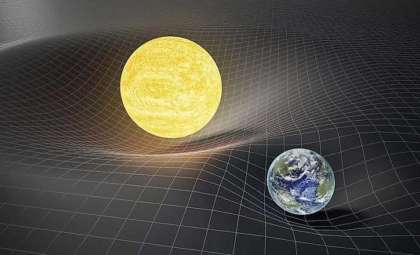
Finding black holes not actively accreting matter is especially difficult, but progress has been made by detecting distortions in space-time caused by their gravity. Bambi emphasizes, “If there is a black hole within 20 to 25 light-years of the Solar System, we can develop the technology for such a mission.”
Discovering a black hole in this range would dramatically ease mission demands, whereas distances beyond 50 light-years would necessitate technological breakthroughs yet to be achieved.
Addressing Space Travel Obstacles
Bambi envisions a spacecraft reaching velocities up to a third of the speed of light. Initially, it would be propelled by lasers stationed on Earth and later switch to energy harvested from stars or the Sun as it nears its target.
The mission concept includes sending multiple probes, with a primary craft serving as a “mothership” overseeing several smaller probes orbiting the black hole. “Two or more probes orbiting around the black hole would be the best option,” he explains. “If these probes can communicate with each other through the exchange of electromagnetic signals, we can determine their exact trajectories around the black hole and how electromagnetic signals propagate around the black hole.”
If a black hole exists at roughly 20 light-years away, transmitting gathered data back to Earth would add about 20 years, making the entire mission span around a century. Bambi admits that the idea may sound “really crazy” and akin to “science fiction,” yet he invokes history to demonstrate that seemingly impossible feats can be achieved over time.
He recalls how the detection of gravitational waves was once deemed impossible but occurred a century later, and how black hole shadows observed about 50 years after initial predictions have now been imaged twice. With continued technological progress, such an ambitious probe could unlock transformative knowledge about the cosmos.
- Categories:
- News






0 comments
Sign in to Comment