
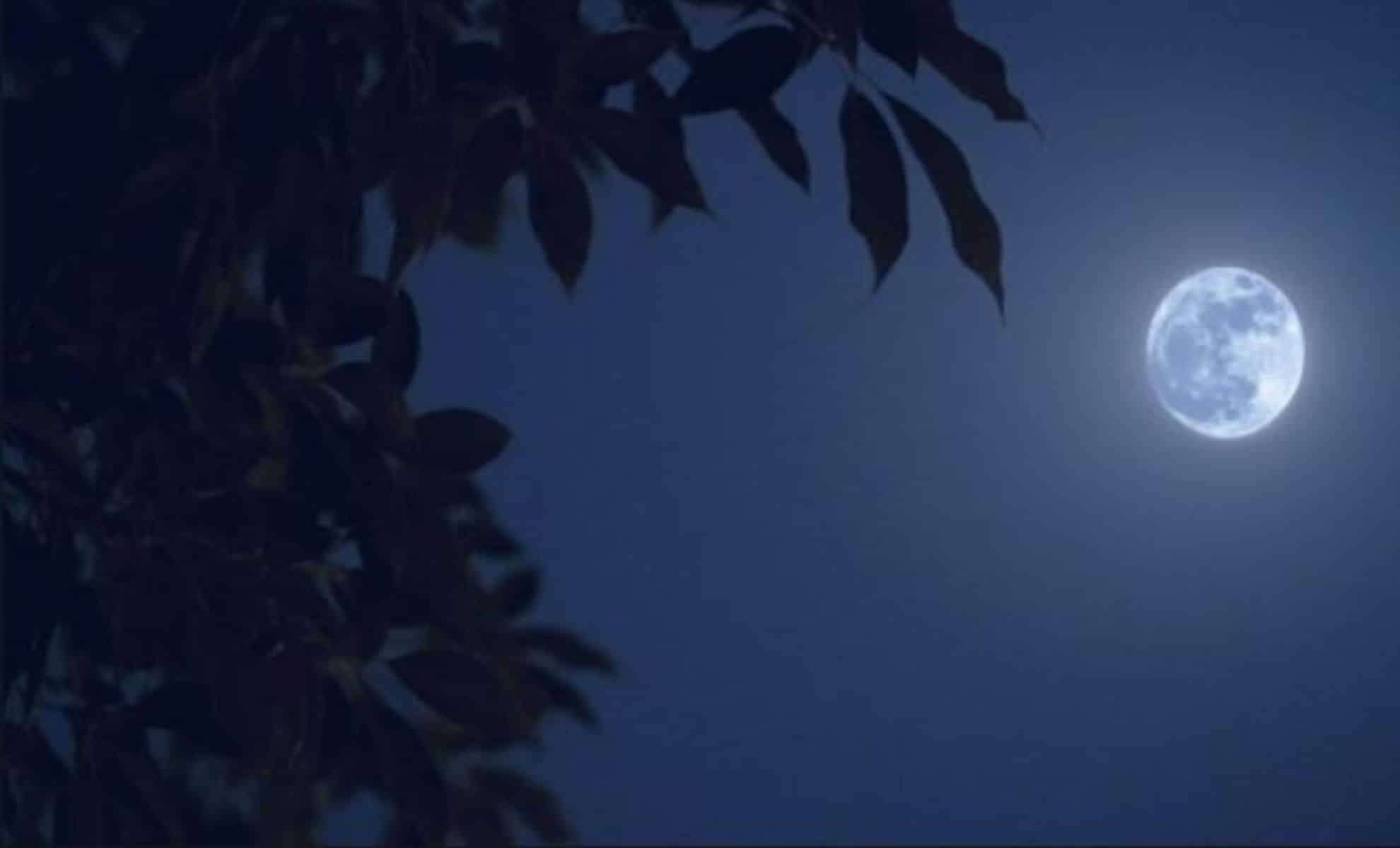
August brings a spectacular lunar display with the full Sturgeon Moon illuminating the night sky. This event stands out as it is both a blue moon and a supermoon, making it one of 2024’s most captivating astronomical highlights.
Such a convergence provides a chance to see one of the most impressive and luminous full moons, kicking off a sequence of four supermoons in a row this year.
The Origins of the Sturgeon Moon Name
The August full moon has long been known as the sturgeon moon, a title derived from Algonquin Native American traditions. The name honors the sturgeon fish, which became easier to catch during this period in the Great Lakes and other large lakes, symbolizing a time of plentiful fishing and abundance.

This August moon is also recognized by names such as the green corn moon, barley moon, and dog moon, each highlighting different late summer harvests and seasons across various cultures. For example, the green corn moon signals the readiness of corn for harvest, while the barley moon marks the time to gather barley crops.
Understanding the Blue Moon Phenomenon
The term blue moon often causes confusion since it does not indicate the moon's color but rather its infrequent occurrence. Traditionally, a blue moon is the third full moon in a season that features four full moons, a situation arising roughly every couple of years. This August, the full moon fits that seasonal pattern.
There are alternative interpretations too, such as defining a blue moon as the second full moon within a single calendar month. However, the older, more astronomy-based seasonal definition applies here. Though the full moon won’t actually glow blue, the phrase continues to captivate and inspire curiosity around these rarer lunar events.
Supermoon: Moon at Its Closest and Brightest
In addition to being a blue moon, this full moon also qualifies as a supermoon, meaning it occurs near the moon’s perigee—its closest point to Earth in its elliptical orbit. This results in a noticeably larger and brighter moon, roughly 14% bigger and 30% more luminous than a typical full moon.
This event marks the first of four consecutive supermoons for 2024, with September, October, and November full moons also joining this rare group.
The concept of a supermoon gained popularity following astrologer Richard Nolle’s description in 1979 and has since become a widely recognized term. The enhanced size and brightness make these lunar events eye-catching occasions that draw interest from casual observers and astronomers alike.
For those studying the moon, a supermoon improves the view of lunar features such as craters and darker basaltic plains known as maria, offering better observational opportunities.
This August supermoon uniquely inaugurates a series of four remarkable lunar events, promising multiple nights of breathtaking moon gazing.
Additional Celestial Highlights for August
August’s full moon excitement coincides with other spectacular space events. On August 14, Mars and Jupiter will come extraordinarily close in what’s called a conjunction, a rare event not expected to repeat until 2033. Alongside this, the famed Perseid meteor shower reaches its peak, enriching the month’s cosmic offerings.
The Perseid meteor shower appears each year as Earth traverses debris from the comet Swift-Tuttle. With meteor rates exceeding 50 per hour under ideal dark skies, this shower provides a dazzling spectacle, complementing the lunar and planetary sights.
The combination of the supermoon, the Mars-Jupiter conjunction, and the Perseids turns August into a prime month for astronomy enthusiasts and casual skywatchers alike.
These synchronized celestial events highlight the ever-changing universe around us. Whether observing a supermoon, meteor shower, or planetary alignment, these phenomena encourage both scientific exploration and a profound appreciation of our cosmic surroundings.
- Categories:
- Astronomy ,
- News







0 comments
Sign in to Comment