
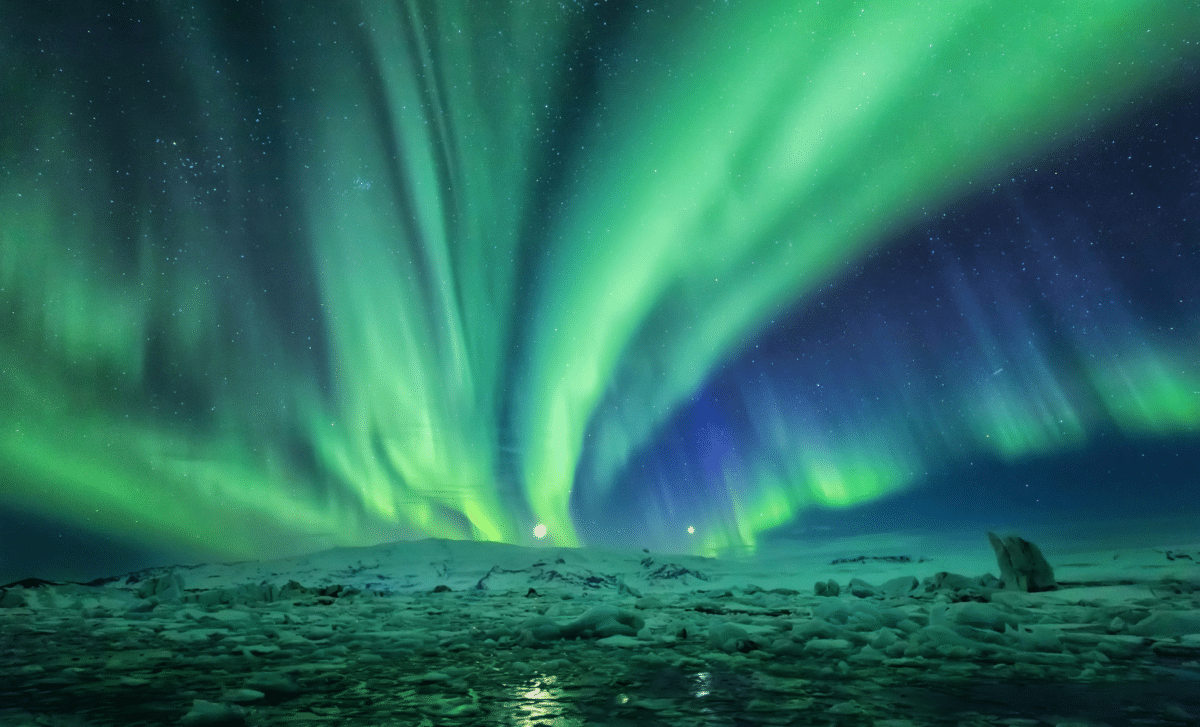
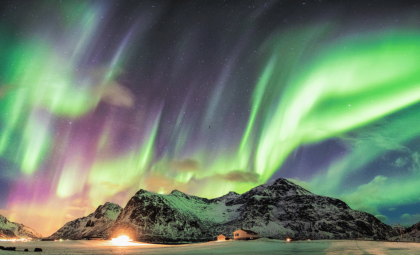
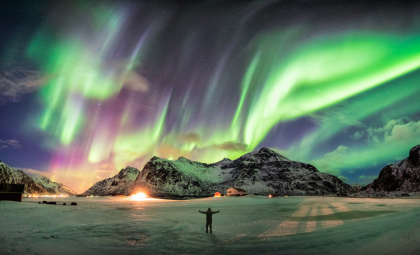
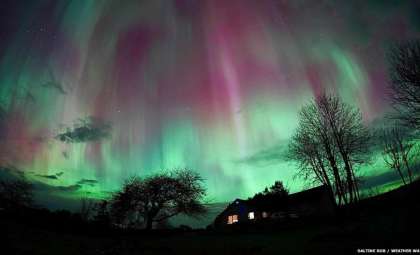
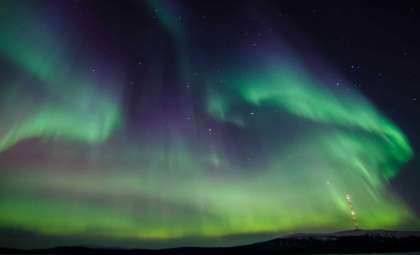
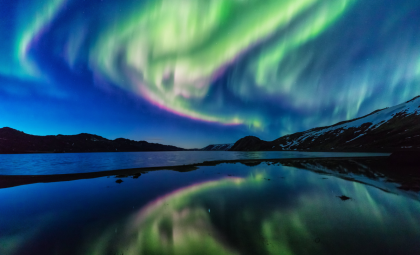
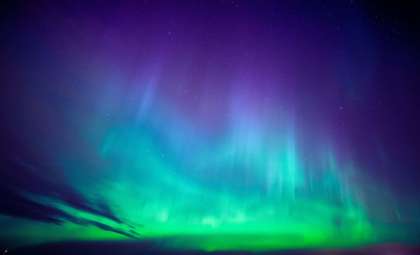
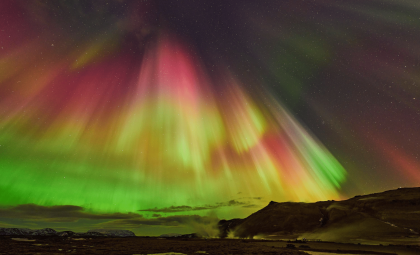
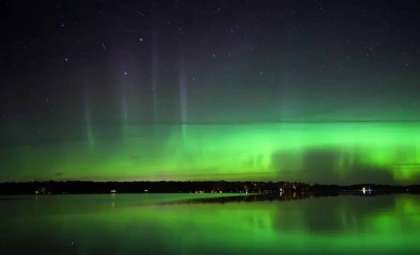
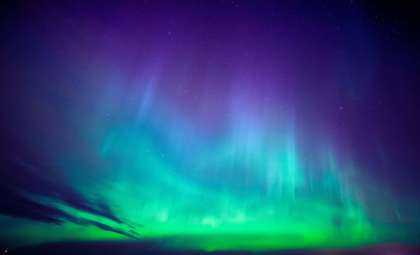
Tonight, a spectacular display of the aurora borealis could grace the skies due to the interplay of swift solar winds and geomagnetic disturbances. Experts at the National Oceanic and Atmospheric Administration (NOAA) report these solar phenomena will generate a rare light show visible across multiple northern states. Although this luminous spectacle typically occurs closer to the Arctic Circle, this event might extend its colorful dance to more accessible locations for viewers in the U.S.
What’s Fueling This Aurora Display?
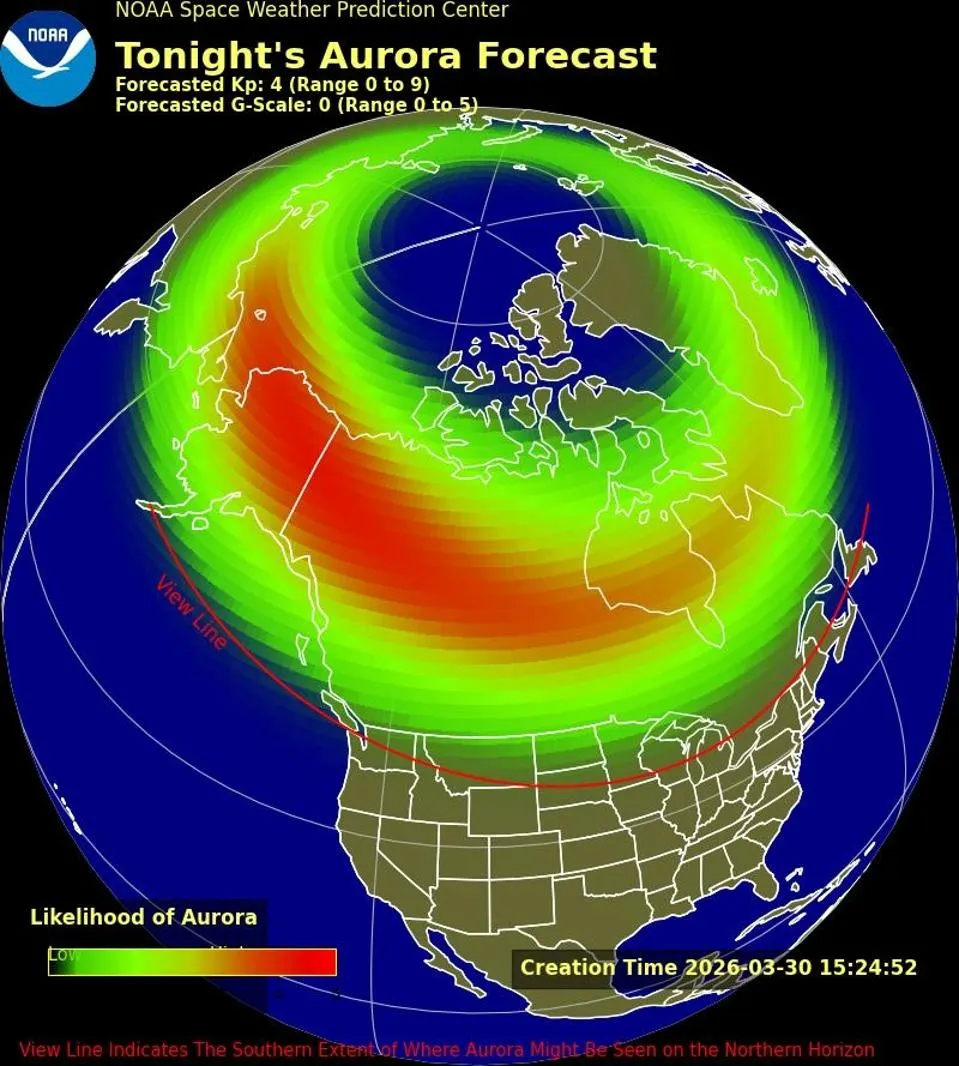
An intense solar storm is responsible for the upcoming nights’ spectacle. Accelerated solar winds, emanating from an opening in the Sun’s corona, are expected to interact with Earth’s magnetosphere, igniting mild geomagnetic storms. This process amplifies the vibrancy and movement of the aurora borealis, a breathtaking phenomenon caused by charged solar particles colliding with atmospheric gases. The NOAA forecasts a Kp index of 4 out of 9, suggesting that the aurora may be observable significantly further south than is typical, reaching areas usually untouched by the northern lights.
NOAA’s space weather analysts have been tracking solar events closely, including a recent eruption of an X-class solar flare and a coronal mass ejection (CME), both enhancing this geomagnetic storm’s strength. The CME, a stream of energized solar material, is anticipated to impact Earth by Tuesday, increasing the intensity and reach of the auroral display. These combined solar effects make Monday night an exceptional opportunity for enthusiasts to witness the light show.

Regions Likely to Catch the Aurora Spectacle
Meteorologists have identified the northern U.S. states most likely to observe the aurora, particularly those near the Canadian border, where geomagnetic activity will peak. The following areas are prime candidates for viewing the lights:
- Northern Washington
- Idaho Panhandle
- Montana
- North Dakota
- South Dakota
- Northern Minnesota, Wisconsin, and Michigan
- Northern Maine
- Alaska
These regions are predicted to experience heightened geomagnetic effects, with potential visibility extending further south depending on the storm’s strength. The clearest views will be in secluded, darker areas away from urban light pollution.
Tips for Observing the Aurora Borealis
To maximize chances of seeing the northern lights, preparation is crucial. NOAA advises travelers to head northward, where Earth’s magnetic influence is strongest, and choose locations away from artificial light sources. While northern Canada remains an optimal destination for aurora watching, residents in U.S. northern states have a robust chance of witnessing this cosmic event on Monday night.
The ideal viewing window is between 10 p.m. and 2 a.m., when the aurora tends to be most active. Since the lights can be observed up to 600 miles from their source, even those outside the primary forecast areas might catch a glimpse. Warm clothing is recommended for late-night viewers to stay comfortable during the extended outdoor experience.
- Categories:
- News


0 comments
Sign in to Comment