
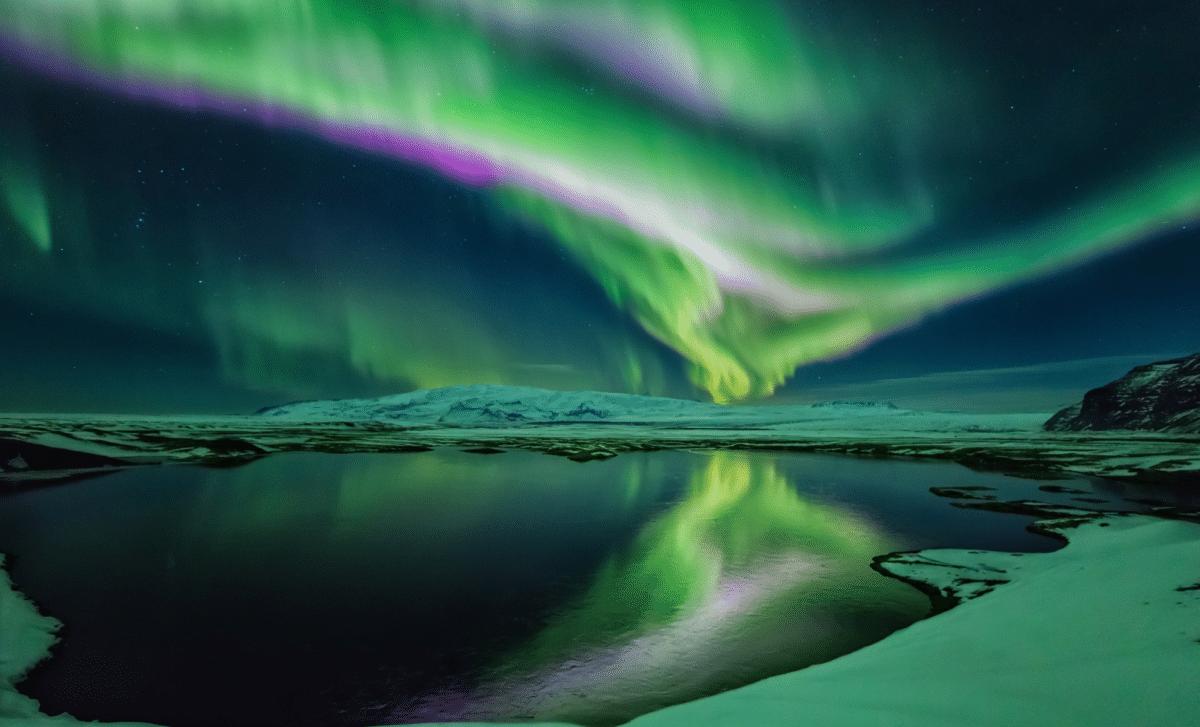
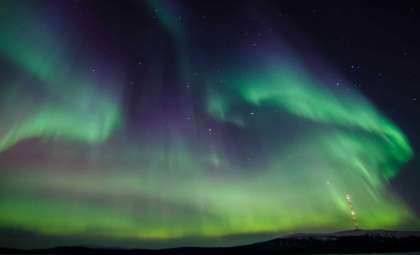
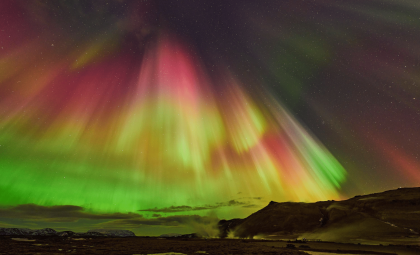
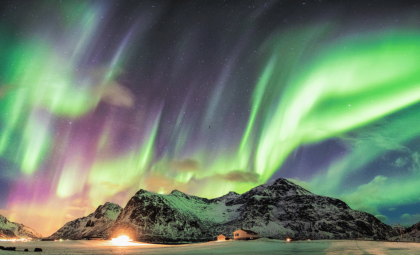
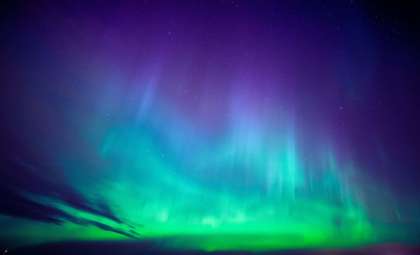
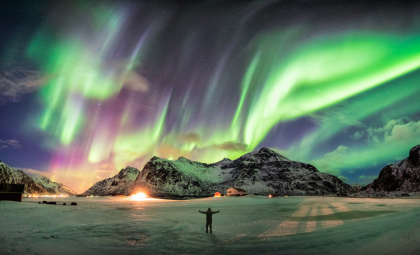
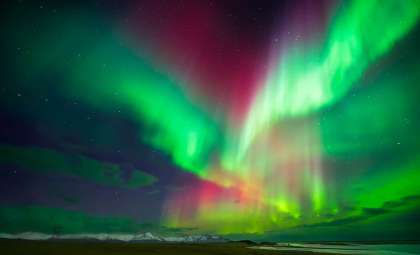
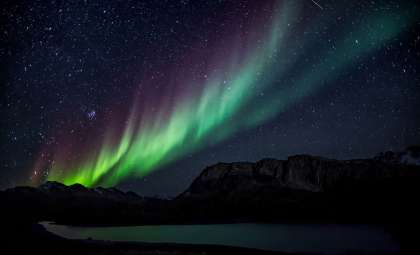
A seldom-seen geomagnetic disturbance caused by a recent solar eruption could bring the Northern Lights to states like Illinois, Ohio, and Indiana this Friday, January 2, 2026, according to the latest prediction from NOAA’s Space Weather Prediction Center.
Understanding the G2 Geomagnetic Storm Forecasted by NOAA
The National Oceanic and Atmospheric Administration (NOAA) has predicted a G2-class geomagnetic storm triggered by a coronal mass ejection (CME) originating from the Sun after an M7.1 solar flare erupted on December 31, 2025. Classified as moderate on NOAA’s scale, a G2 storm can significantly disturb Earth's magnetic field, making auroral displays visible in more southerly mid-latitude areas, subject to local viewing conditions.
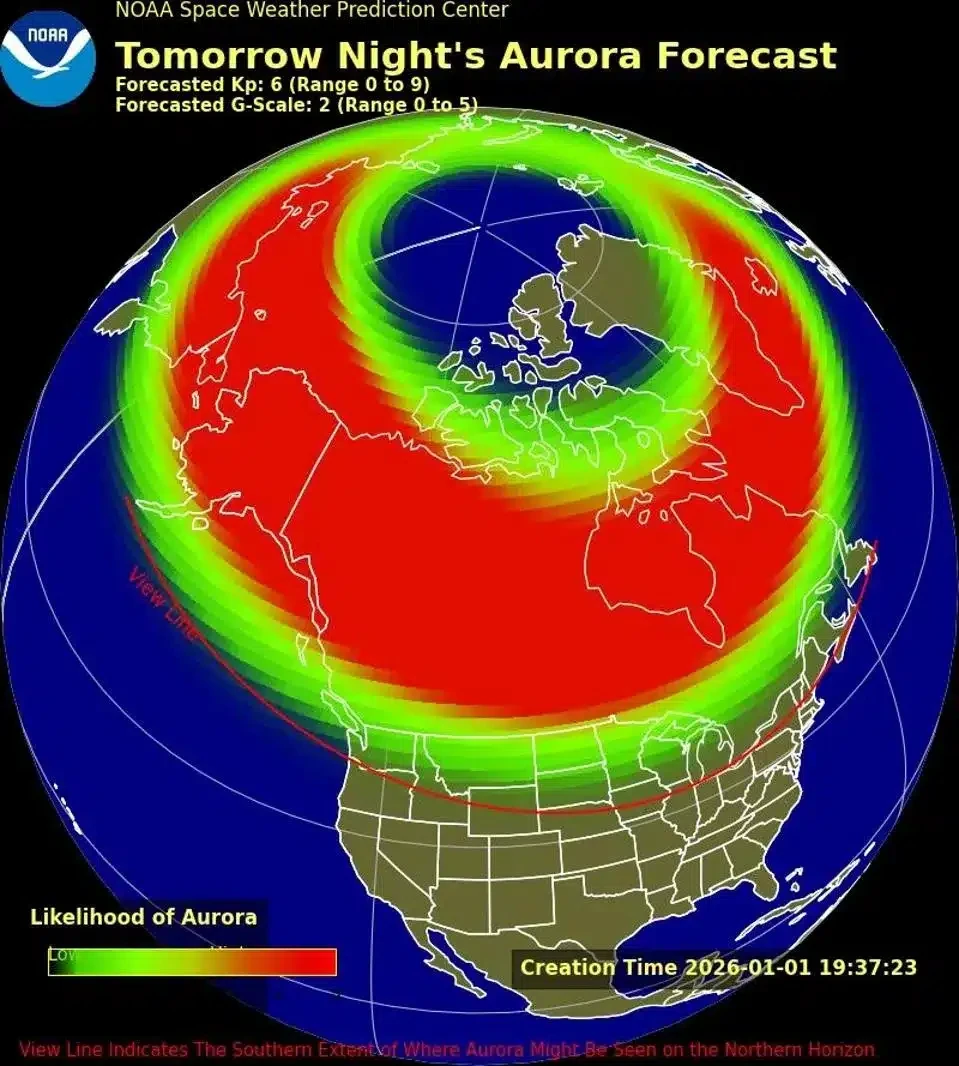
Per NOAA, Earth is anticipated to be nearly directly impacted by the CME between the night of January 2 and the early hours of January 3. Additional solar material may intensify this effect. The agency cautions that while the auroral oval is likely to extend further south, viewing conditions will depend greatly on factors such as cloud coverage, ambient light pollution, and the approaching Wolf Supermoon on January 3, which could dim weaker aurora appearances.

Regions where Auroras Could Appear
Normally confined to northern states like Alaska and Minnesota, this event may allow the Northern Lights to reach as far south as Illinois, Iowa, and even New York. NOAA’s aurora visibility predictions highlight the following states as likely viewing areas:
Primary viewing region: Alaska, Washington, Idaho, Montana, North Dakota, South Dakota, Minnesota, Wisconsin, Michigan, Maine
Potential low-horizon sightings: Oregon, Wyoming, Nebraska, Iowa, Illinois, Indiana, Ohio, New York, Vermont, New Hampshire
The aurora will most likely appear close to the northern horizon, especially for areas further south. To maximize chances of witnessing this natural light show, enthusiasts are advised to find dark, rural spots away from urban illumination and focus their gaze northward between 10 p.m. and 2 a.m. local time, when geomagnetic activity typically peaks.
- Categories:
- News


0 comments
Sign in to Comment