
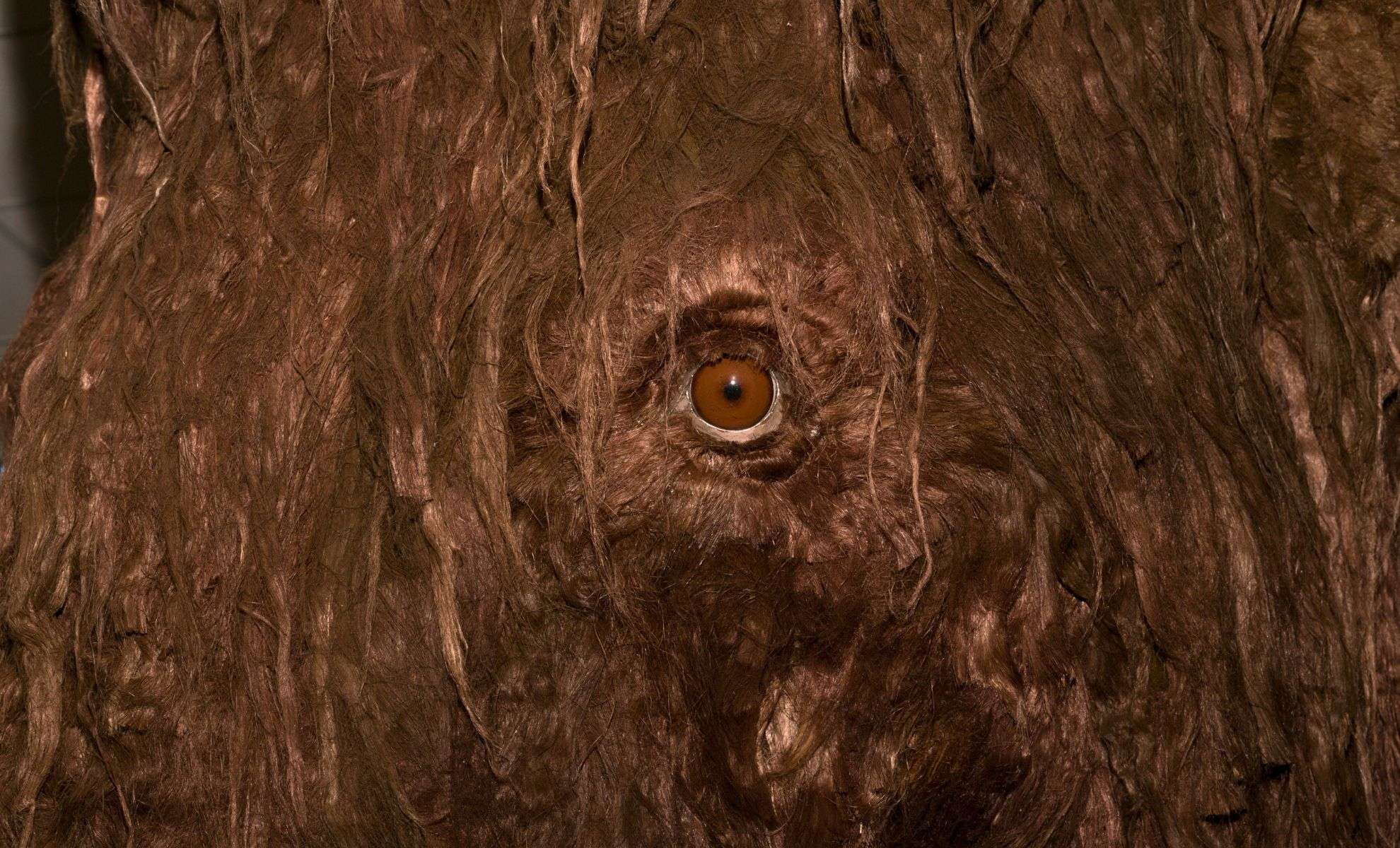
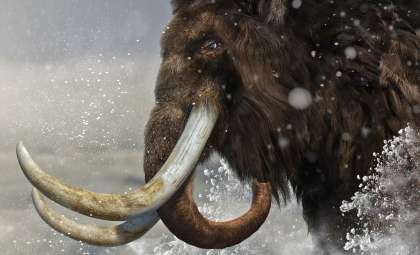
A pioneering biotech firm based in Texas is harnessing gene editing technology to revive extinct animals. From the iconic woolly mammoth to the vanished Steller’s sea cow, Colossal Biosciences is creating cutting-edge genetic methods that could potentially reverse extinction. The company's leaders believe resurrecting these species could repair ecosystems, restore disrupted food webs, and introduce new strategies for conservation efforts.
The Spark Behind the Mammoth Resurrection Vision
Entrepreneur Ben Lamm, aged 43, with extensive technology experience, recalls getting inspired during a typical phone chat with George Church, a renowned geneticist at Harvard Medical School. Midway through their dialogue about human biology, Church casually remarked he was “engaged in efforts to revive mammoths and other extinct species to reintroduce them into the Arctic and help rejuvenate the environment.”
That casual statement ignited Lamm’s imagination. “It was the most incredible thing I’d ever heard, and then the call ended,” Lamm told Metro. He spent the entire night researching the topic thoroughly. In 2021, he launched Colossal Biosciences, focusing on de-extinction—the science of using genomics to bring back species eradicated by human activity or natural causes.

Colossal’s ambitions extend well beyond mammoths. The startup aims to revive the dodo bird, the Tasmanian tiger, New Zealand’s moa, and even the massive 30-foot Steller’s sea cow.
The First Species Partially Revived
Just earlier this year, Colossal revealed what it calls a breakthrough in de-extinction. By editing 20 targeted genes from ancient dire wolf DNA into the genome of modern grey wolves, the team created embryos that were implanted into surrogate mothers. This resulted in the birth of three pups named Romulus, Remus, and Khaleesi.
Though these pups bear traces of now-extinct species in their DNA, experts caution this does not equate to a full return of extinct animals. According to Benjamin Tapon, a biology PhD student at Queen Mary University,
“No animal that Colossal has genetically engineered so far is anywhere near the extinct animal they are trying to emulate.” He compared the company’s approach to “rebuilding the Library of Alexandria by printing PDFs of a few books and adding them to the shelves of the local public library.”
Possibilities and Limitations of Modern Science in Species Revival
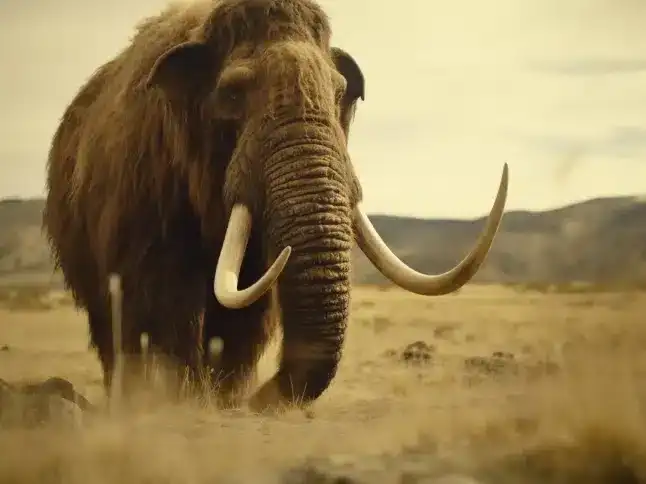
Colossal’s plan involves modifying Asian elephant DNA to include features such as extra fat insulation, , and enhanced cold tolerance so these creatures can endure Siberia's harsh climate. Lamm suggests these reintroduced animals may help restore ecosystems, slow the melting of the permafrost, and possibly play a role in climate change mitigation, though the latter remains theoretical.
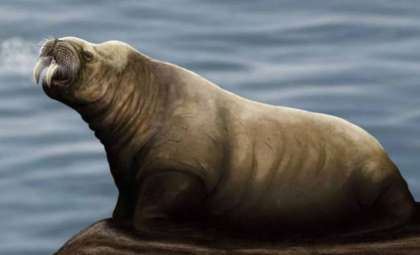
The Steller’s sea cow, a giant marine mammal that disappeared soon after its 18th-century discovery, poses significant challenges. Lamm acknowledges a major hurdle: “There is no available natural gestation method until artificial womb technology advances.”
Challenges Facing Realistic Resurrection Efforts
Scientists raise concerns about where revived animals would thrive, whether current ecosystems can sustain them, and if survival is feasible in today’s environments. Alex de Mendoza highlights frequent misinformation in media portrayals—for instance, dire wolves were likely reddish in color and inhabited arid climates rather than snowy woodlands. There's also worry that the concept of de-extinction could lull the public into thinking extinction is reversible, reducing the urgency to protect endangered species.
Nonetheless, the allure remains strong. Benjamin Tapon admits he'd enjoy having a dodo as a pet but stops short of supporting its revival. De Mendoza favors reviving the Tasmanian tiger but doubts it would be much more than “a kangaroo with stripes.” For Ben Lamm and Colossal, the mission extends beyond scientific milestones to restoring ecological harmony.
- Categories:
- News




0 comments
Sign in to Comment