
Colossal Biosciences, a pioneering company based in Texas, is leading an extraordinary mission to undo extinction by resurrecting species that vanished from our planet long ago.
Their focus includes the dodo, woolly mammoth, and thylacine—revivals that could transform our understanding of both extinction and wildlife conservation. Leveraging advanced genetic technologies, these species may once again roam the Earth within the next decade.
Reawakening the Dodo: A Flightless Bird’s Second Chance
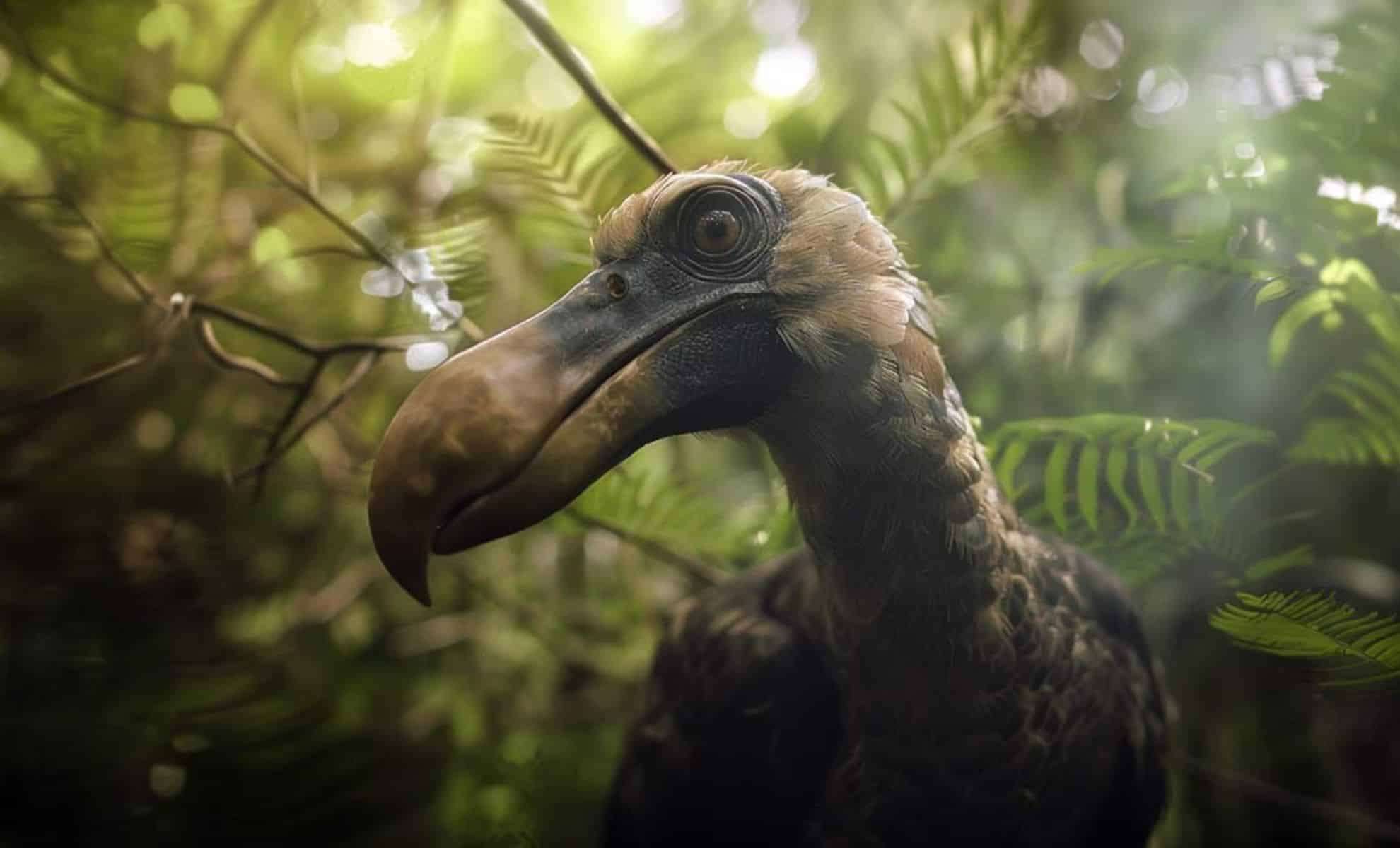
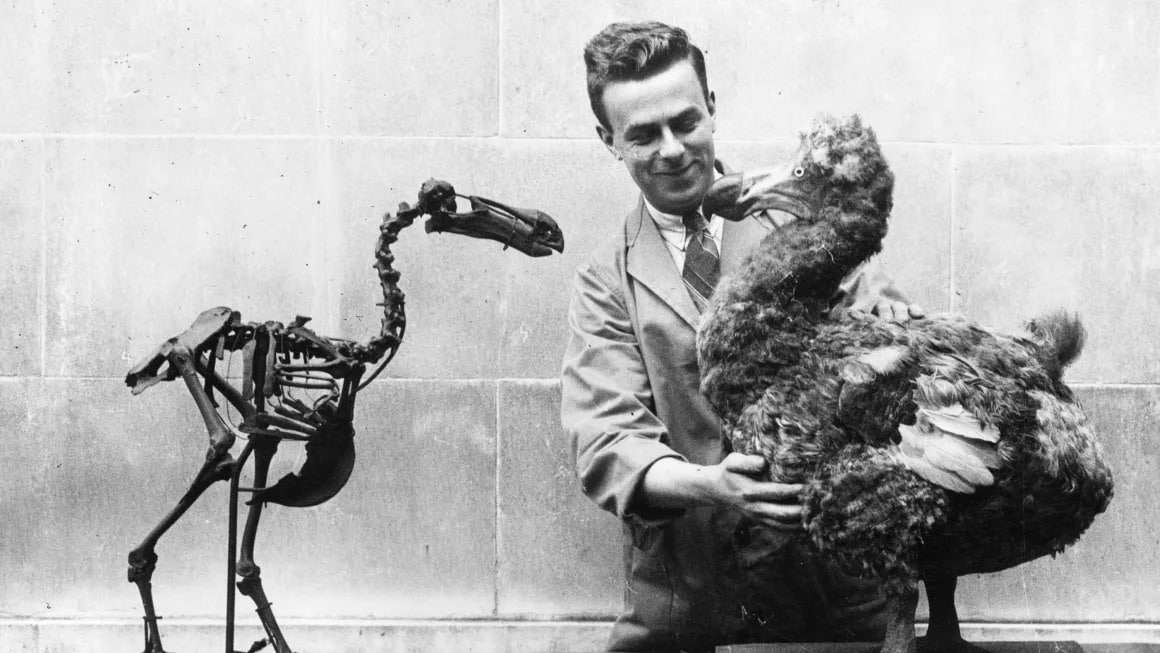
The dodo, a ground-dwelling bird native to Mauritius, disappeared in 1681. It has become a poignant emblem of extinction due to its rapid decline after humans arrived. Lacking natural predators and showing no fear, the dodo was easy prey for sailors and invasive species.

More than three centuries later, Colossal Biosciences is actively sequencing the dodo’s genome using DNA obtained from a preserved skull housed at the Natural History Museum of Denmark.
The initiative aims to reintroduce the dodo by 2028 by applying gene editing tools, including CRISPR, to tweak the genetics of its closest living relative, the Nicobar pigeon. Unexpectedly, chickens will serve as surrogate mothers to hatch these dodo-like birds, which are expected to carry genetic traits that closely resemble the extinct species.
The Woolly Mammoth: Rebuilding a Prehistoric Titan
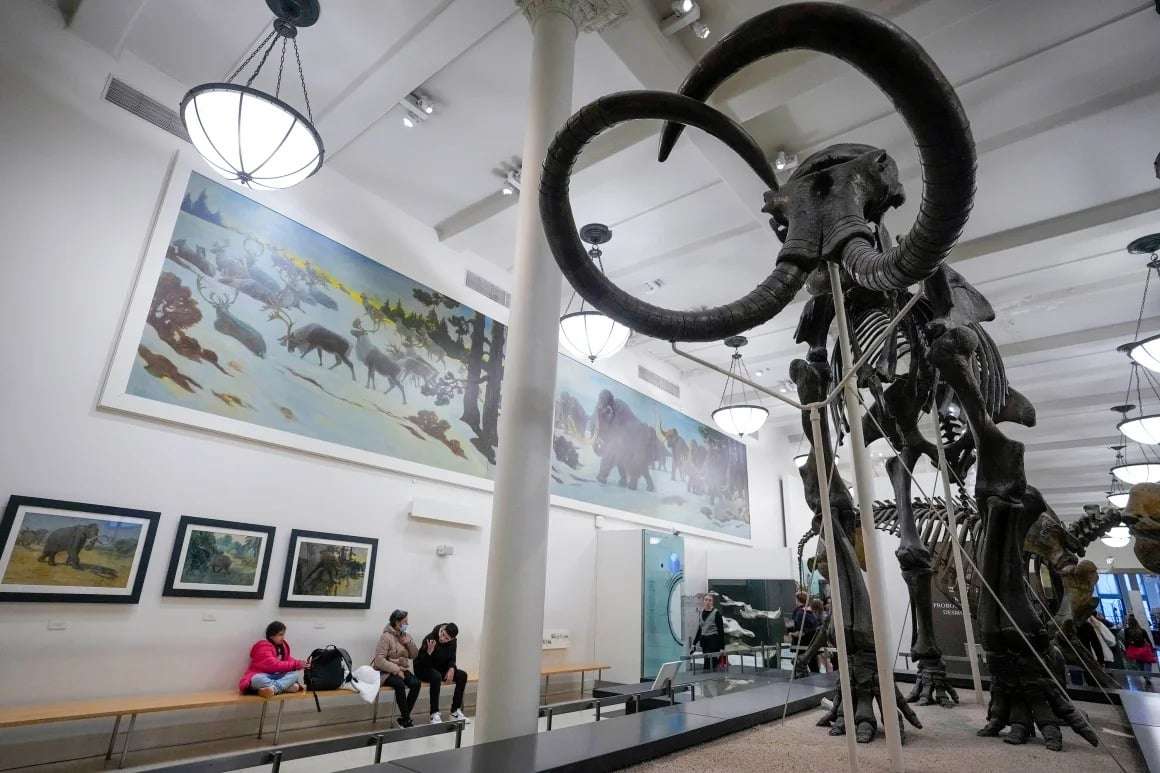
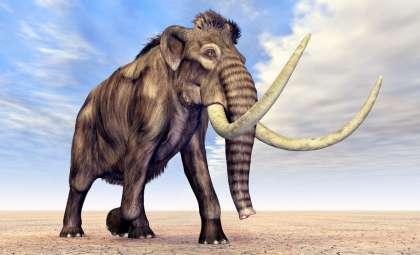
The woolly mammoth, a prehistoric giant that once roamed Arctic regions, is a key candidate in the de-extinction quest. Since the Asian elephant shares about 98% of its DNA with the mammoth, experts at Colossal are working to insert the remaining 2% of mammoth genes into elephant DNA.
The projected mammoth will possess cold-resistant adaptations such as thick fur and insulating fat. Scientists expect the first mammoth embryo to be developed by late 2026, with the potential for live births by 2028.
The project involves modifying cells from Asian elephants using genetic engineering, followed by cloning techniques like somatic cell nuclear transfer to implant the altered cells into elephant eggs.
Successfully brought to term, these elephants will closely resemble the long-lost mammoths in appearance and behavior.
Thylacine Revival: Breathing Life into the Tasmanian Tiger
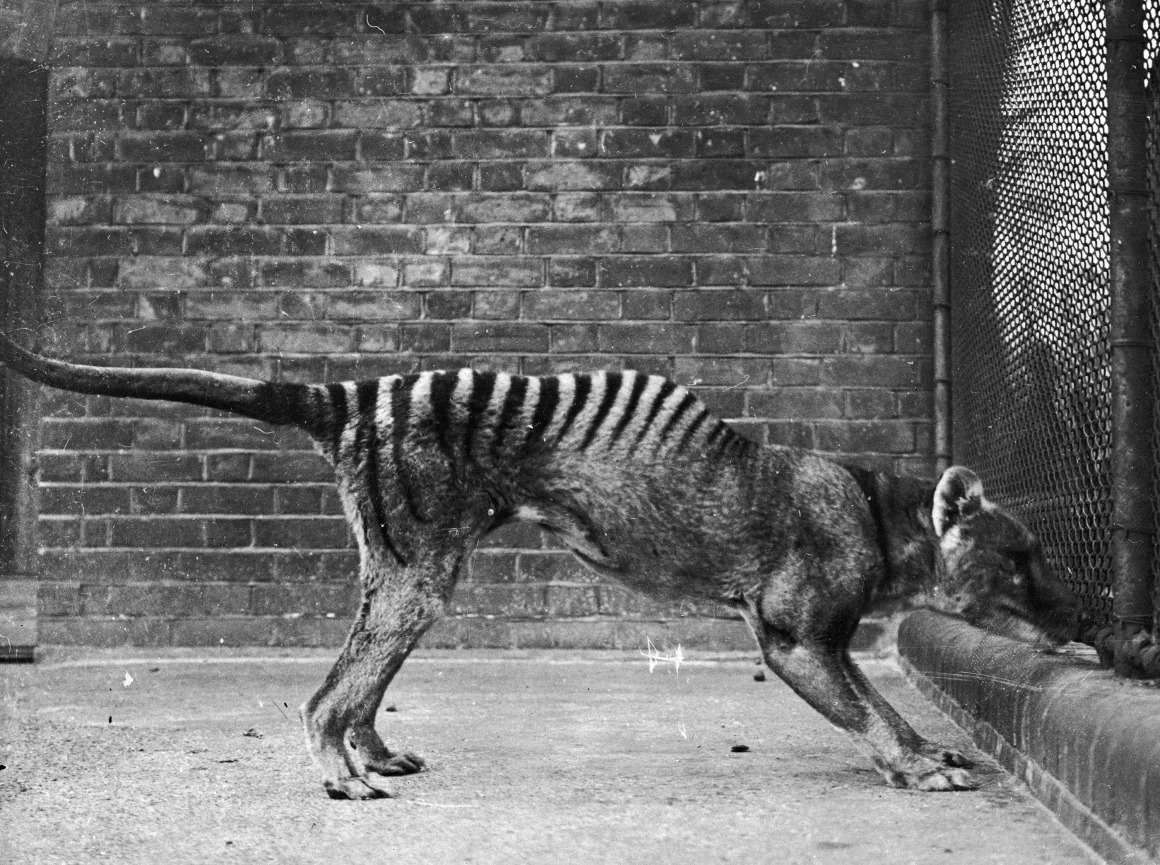
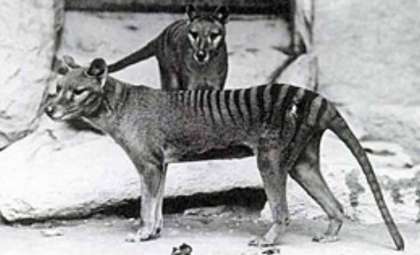
The thylacine, also known as the Tasmanian tiger, vanished in the early 1900s. This carnivorous marsupial, native to Australia and Tasmania, was distinguished by its striped coat.
Colossal Biosciences hopes to bring back the thylacine by genetically altering its nearest living relative, the dunnart, a small marsupial mouse. This is a complex task given the thylacine’s larger size and predatory nature.
The genetic modification aims to transform the dunnart’s DNA to reflect traits like increased body size, jaw strength, and its iconic striped fur.
The project also raises important ethical and ecological concerns about the impact of reintroducing extinct species.
Colossal is tackling reproductive challenges by experimenting with faster breeding models such as mice to refine gene-editing techniques, even as the mammoth requires a longer gestation within elephant hosts. Despite these hurdles, the company remains optimistic that this innovative path will succeed in resurrecting lost species.
- Categories:
- News








0 comments
Sign in to Comment