
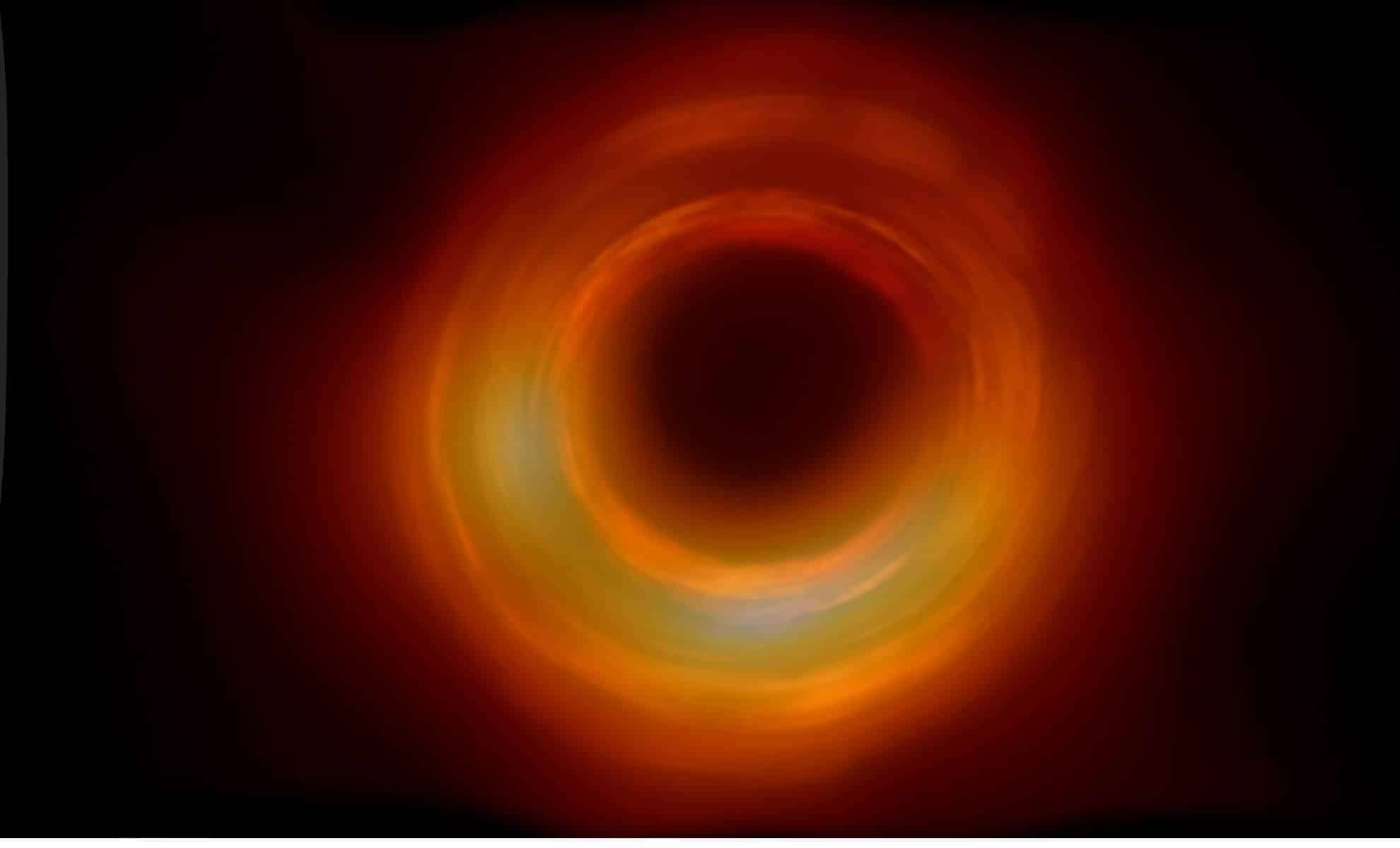
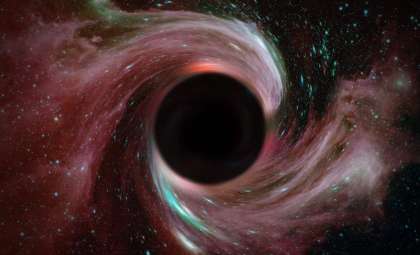
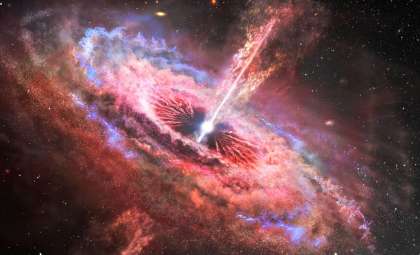
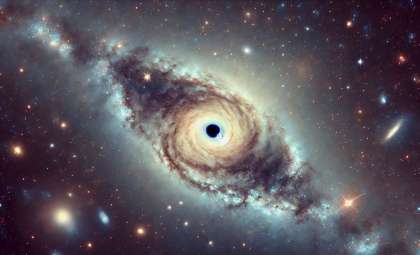
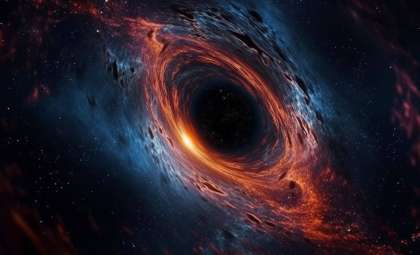
Supermassive black holes are generating powerful high-energy blasts that resemble projectile bursts more than gentle flows, according to a recent publication supported by NASA, JAXA, and the European Space Agency. The study shows that the winds expelled by these massive objects race at about one-third the speed of light, erupting as chaotic, fragmented jets rather than steady streams.
Violent Forces Emerging from Galactic Cores
Situated in the center of most galaxies, supermassive black holes can possess masses millions or even billions of times greater than our sun. Though they famously pull in gas and dust, they also emit powerful winds that spread through the galactic environment. These expulsions are not mere byproducts but crucial agents in shaping the formation and evolution of galaxies.
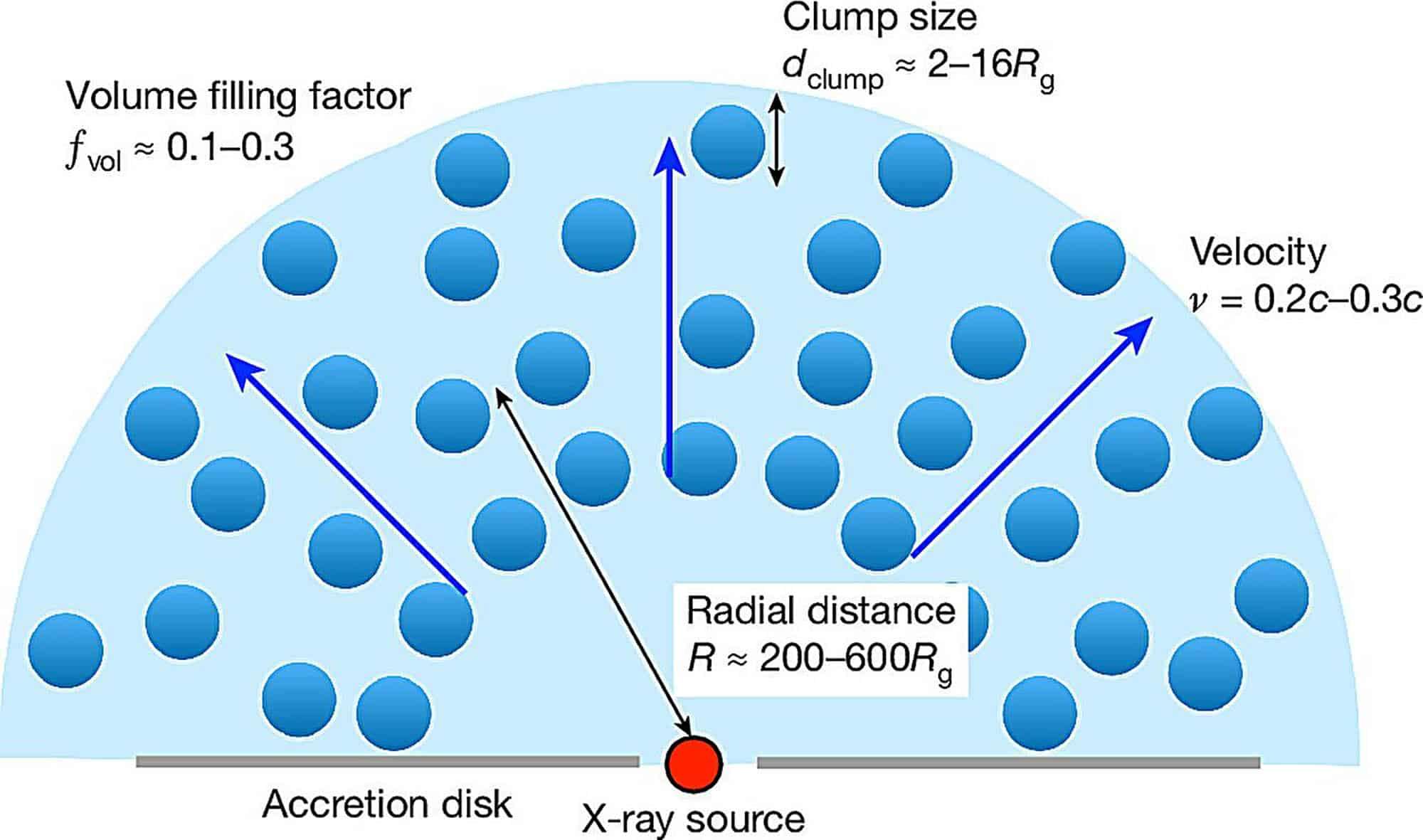
Recent data indicate these winds are launched in turbulent, high-velocity pockets instead of smooth gusts. Researchers observed five separate velocity components within a single outflow, revealing a fragmented, irregular pattern. These energetic bursts may carry enough force to disrupt or suppress star creation by colliding with cooler interstellar clouds and generating shockwaves.

This irregularity challenges previous models that assumed continuous, uniform gas movement. Earlier theories may have missed the intense, short-lived eruptions that happen when a black hole rapidly accretes matter.
Intermittent Blasts Force Rethinking of Galactic Models
This breakthrough is pushing scientists to reconsider how feedback from black holes influences galaxy evolution. Some propose that the feeding process of black holes involves sporadic bursts of energy release. These periodic blasts can create voids in the interstellar medium, hampering star formation in certain zones while sparing others.
Others suggest the clumpy wind appearance could stem from the uneven nature of the interstellar medium itself. If the black hole’s outflows break through patchy surroundings, their fragmented look might be a result of environmental irregularities. Regardless, the overall effect is far from smooth.
The segmented wind structure might clarify why star formation ceases earlier in some galaxies than in others. Intervals between these projectile-like bursts might allow material to persist, fostering limited star formation even as vast regions lose their gas supplies. The report estimates this intense wind activity lasts for less than 10% of a black hole’s quasar phase, indicating such turbulent outflows are uncommon but significant.
XRISM Telescope Provides Unprecedented Insight into Black Hole Winds
A major driver behind these findings is the XRISM observatory, which offers highly detailed readings of wind velocity and chemical makeup. XRISM’s sophisticated instruments have allowed scientists to detect subtle velocity differences between gas clumps previously invisible to earlier technologies.
By examining these variations, researchers gain understanding of how temperature and composition influence each clump’s trajectory. Warmer clumps might move distinctly from cooler ones, affecting how energy spreads across the galaxy. As these projectile-like fragments interact with their environment, they could spark widespread turbulence, driving long-term galactic transformations.
Scientists are now utilizing XRISM’s capabilities on other black holes to determine whether these projectile-style winds are common or exclusive to specific galactic contexts.
- Categories:
- Space



0 comments
Sign in to Comment