

Blue Origin's premier heavy-lift rocket, New Glenn, met with a catastrophic failure when it exploded during a ground test at Cape Canaveral, Florida. This mishap occurred amid preparations for a launch, delivering a severe setback that disrupts planned commercial satellite deployments and prospective lunar missions.
Static Fire Test Turns Catastrophic
The incident happened in the midst of a static fire test — a crucial phase where rocket engines fire while the vehicle is firmly anchored on the pad, simulating launch conditions without actual liftoff. This evaluation was essential for validating New Glenn’s readiness for an imminent satellite deployment mission.
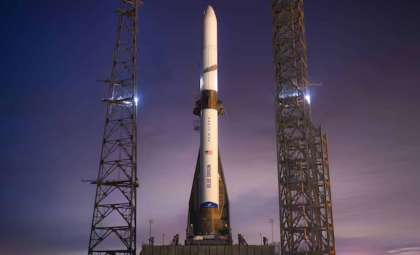
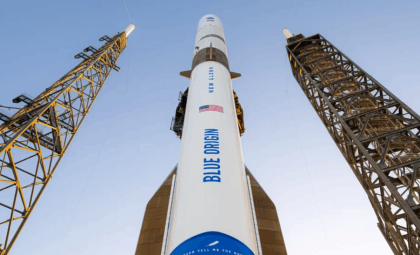
Rather than a successful test, the rocket experienced a devastating explosion, annihilating the vehicle and causing significant harm to the facilities at Launch Complex 36. Considering New Glenn’s massive scale—standing approximately 322 feet (98 meters) tall—this event resonated strongly throughout the aerospace sector. Designed to carry heavy commercial payloads, national defense assignments, and support lunar exploration, this rocket represents a major milestone for private spaceflight.

The destruction of such a formidable launch vehicle impacts more than hardware loss; it disrupts a tightly coordinated launch schedule and intensifies pressure on the engineering teams striving to meet competitive market demands.
Jeff Bezos Responds to the Setback
Following the explosion, Blue Origin publicly confirmed the occurrence of an anomaly during testing and assured that no personnel were injured, noteworthy given the force of the blast and the large quantities of fuel involved.
Jeff Bezos addressed the situation, stressing safety and the company’s determination to recover, stating:
“All personnel are accounted for and safe. It’s too early to know the root cause, but we’re already working to find it. Very rough day, but we’ll rebuild whatever needs rebuilding and get back to flying.”
We experienced an anomaly during today's hotfire test. All personnel have been accounted for. We will provide updates as we learn more.
— Blue Origin (@blueorigin) May 29, 2026
Investigations following failures of this magnitude typically involve thorough reviews by engineers and regulatory bodies. Pinpointing the exact cause is critical before any future launches can continue. While rocket development frequently faces challenges, losing a fully assembled heavy-lift rocket during testing is a rare and impactful event with potentially long-lasting ramifications.
The Role of New Glenn in Blue Origin’s Vision
This incident holds weight beyond the immediate loss. New Glenn is central to Blue Origin’s ambition to become a leading provider of orbital launch services. Able to transport up to 45 metric tons to low Earth orbit, it ranks among the most powerful commercial rockets developed to date.
The rocket's capacity makes it suitable for a spectrum of missions, from extensive satellite constellations and scientific projects to governmental security tasks and lunar expeditions. Its operational debut had been highly anticipated due to the key part it is expected to play in future space infrastructure.
Heavy-lift rockets like New Glenn are essential as agencies and companies extend ambitions beyond Earth orbit, underpinning lunar supply chains, deep-space missions, and massive cargo deliveries that smaller vehicles cannot handle effectively.
Therefore, the loss generates effects that extend far beyond the financial damage, impacting strategic timelines and future mission plans.
Consequences for Satellite Deployment and Lunar Missions
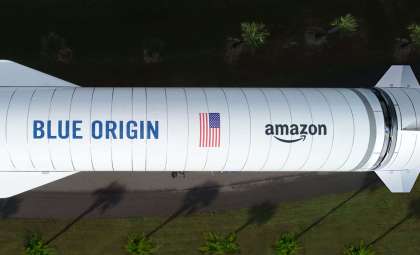
Fortunately, the batch of 48 Project Kuiper satellites slated for an upcoming launch were not on board during the test, sparing valuable spacecraft from harm and preventing deeper disruption to Amazon’s satellite broadband goals.
Nonetheless, the destruction will delay mission schedules since a replacement rocket must be built, integrated, and put through rigorous testing. This process is complex and could lead to shifts in launch timelines set months earlier.
The potential impact on future lunar missions is also significant. Heavy-lift systems are crucial for transportation in extended space exploration, and any interruption affects larger strategic initiatives. Upcoming investigations will determine whether this was a one-off technical fault or a sign of a deeper issue affecting the fleet.
In the near term, efforts will focus on detailed forensic analysis, rebuilding the damaged launch site, and preparing for eventual flight resumption. Blue Origin’s success moving forward will hinge on uncovering the failure’s cause and proving corrective actions can prevent recurrence.
- Categories:
- News







0 comments
Sign in to Comment