
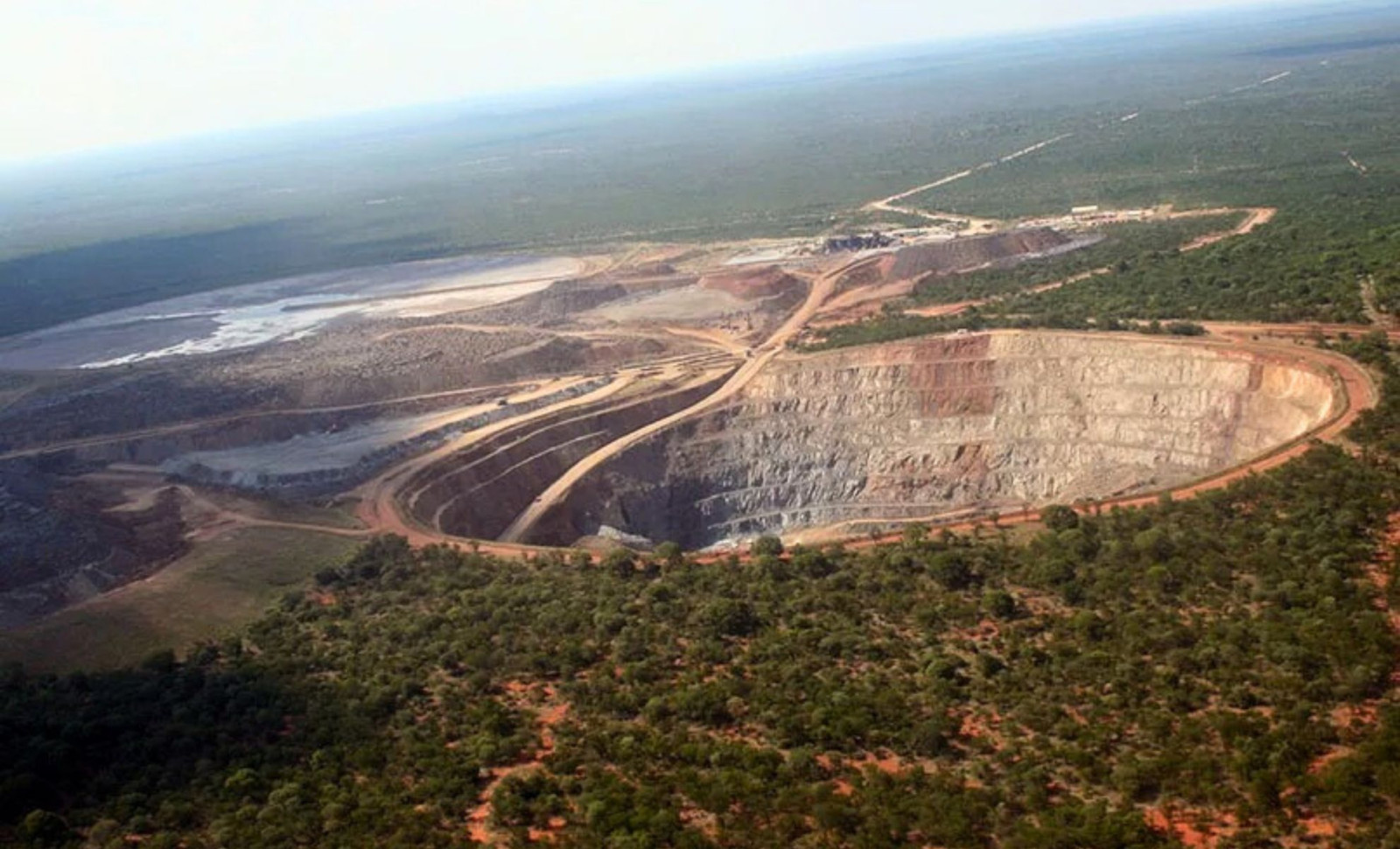
The Kavango Zambezi Transfrontier Conservation Area covers an impressive 520,000 square kilometers across five countries in southern Africa. Known primarily for hosting the largest population of elephants within any protected zone globally, this region attracts visitors drawn by its wildlife, rather than its mineral resources.
Several hundred kilometers southwest of this vast wetland area, near Botswana's Shakawe village in the northwest, geological exploration is revealing an unexpected treasure beneath the surface—rare earth elements vital for modern technology rather than animals or tourism.
Canadian firm Tsodilo Resources Limited has recently published results from core samples extracted from two sites, dubbed C26 and C27. Released in February 2026, these results confirmed the presence of all 15 rare earth elements prioritized on the United States Geological Survey’s 2025 Critical Minerals List. Business Insider Africa highlighted this breakthrough as a key development amid growing US-China rivalry over essential supply chains.

Unveiling the Gchwihaba Deposit
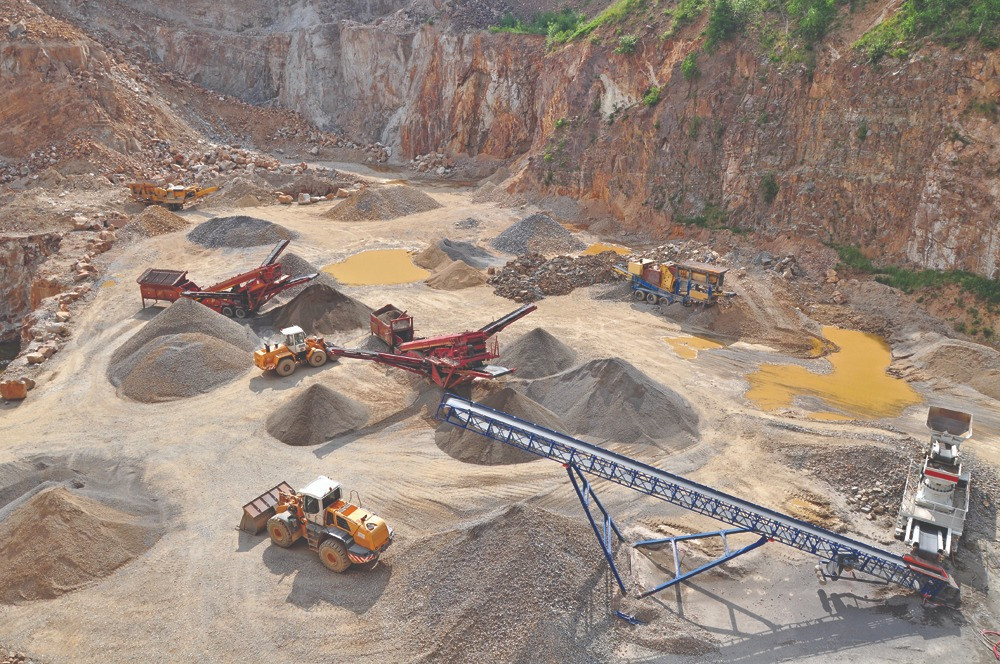
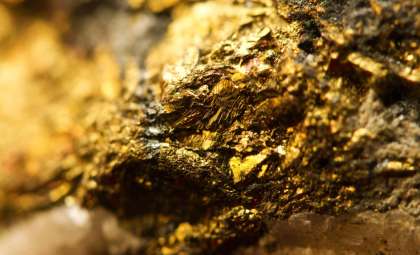
The mineral-rich zone lies just 20 to 50 meters beneath the earth’s surface, a shallow depth that could reduce extraction costs. The company’s drilling uncovered skarn-type mineralization, a rock formed when hot magmatic fluids chemically alter nearby carbonate rocks, often concentrating economically valuable metals.
Aside from the full complement of rare earth elements, Tsodilo also detected significant quantities of copper, cobalt, nickel, vanadium, and silver. Initial discovery relied on magnetic and gravity geophysical surveys, which drilling later verified by pinpointing the mineralized skarn formations causing these anomalies.
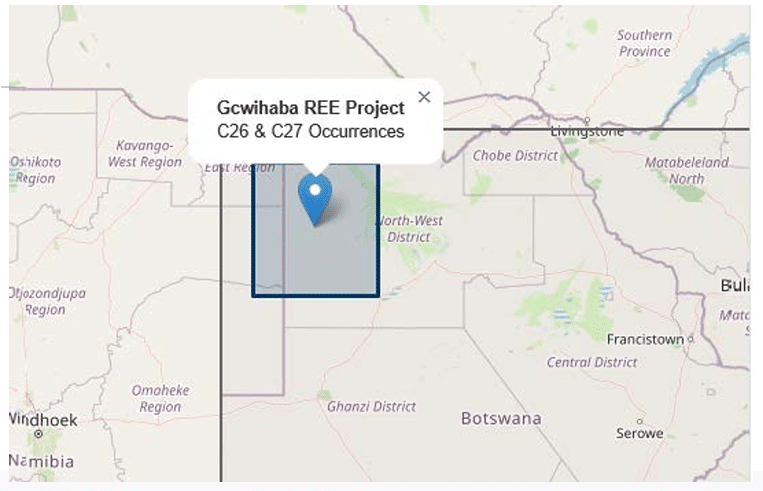
"Our initial targets emerged as geophysical anomalies identified via ground magnetic and gravity surveys," the company explained in its February 2026 release. "Diamond core drilling has since confirmed these anomalies contain skarn-type mineralization rich in various minerals."
Located near the renowned Gewihaba Caves, the Gchwihaba Metals project sits in an area historically known for its diamond deposits, which have long been the backbone of Botswana’s mining partnership with De Beers. This new discovery hints at a possible shift towards critical minerals essential for modern technologies.
Botswana’s Stable Framework for Strategic Resources
The Botswana government has prioritized critical mineral exploration as part of its economic diversification plans. The Botswana Chamber of Mines emphasizes the push to attract foreign investors in base metals, coal, and minerals now deemed vital by industrial economies.
What sets Botswana apart in resource development is its reputation for political stability and transparent regulatory frameworks. Mining enterprises praise the country as one of Africa’s most reliable for operations, offering good infrastructure and predictable governance. For Western nations seeking to secure supply chains for energy transition metals, such stability is as crucial as the quality of mineral deposits.
Global demand forecasts feed this interest. According to the International Energy Agency, requirements for key critical minerals could more than double by 2030 given current clean energy commitments. Rare earth elements are vital for permanent magnets used in electric vehicles and wind turbine generators, while also being essential in defense technologies.
Challenges in Processing the Minerals
Discovering rich mineral deposits is only half the battle; the greater hurdle lies in processing. China currently commands roughly 85 percent of worldwide rare earth refining capacity. Mining operations outside China frequently find their ores shipped there for refining due to a lack of accessible separation and chemical processing facilities elsewhere.
Both the United States and the European Union have launched initiatives aimed at reducing this dependence, although alternative refining options remain scarce. Industry experts at Rare Earth Exchanges caution that while Botswana’s discovery is promising, it remains in early exploration stages without a verified resource estimate or confirmed metallurgical viability, meaning it cannot yet serve as a practical supply chain solution.
Tsodilo is a junior exploration company listed on the TSX Venture Exchange. Its business model focuses on discovering mineral deposits with hopes to develop them or sell to larger mining firms capable of constructing mines. In an October 2025 presentation, Tsodilo detailed an exploration target estimating between 81 and 97 million tonnes of skarn ore containing between 0.05 and 1.5 percent total rare earth oxide.
The top rare earth oxide grade recorded to date was 1.49 percent from drill hole 1822C27_6. These grades align with ranges seen in other global rare earth projects, though grade is only part of the story. The mineralogy will ultimately determine extraction feasibility.
Advancing from Sampling to Production
Tsodilo reports that identified rare earth minerals include carbonates like bastnäsite, silicates such as allanite, and phosphates like monazite. These mineral types benefit from existing processing techniques, which lowers technical uncertainty. Additionally, the polymetallic aspects of the deposit may allow recovery of base metals alongside rare earths, potentially enhancing project profitability.
The company intends to continue exploration to fully delineate the mineralized area, while maintaining collaboration with local authorities and communities. Any future development will depend on environmental reviews and regulatory clearances. Further updates and comprehensive project details can be accessed in Tsodilo Resources’ official documentation.
A successful rare earth mining endeavor could diversify Botswana’s export economy beyond its traditional diamond sector and strengthen its role in clean energy and advanced manufacturing supply chains. For Canada, this project represents a strategic foothold aligned with North American efforts to reestablish critical minerals sourcing.
- Categories:
- News


0 comments
Sign in to Comment