

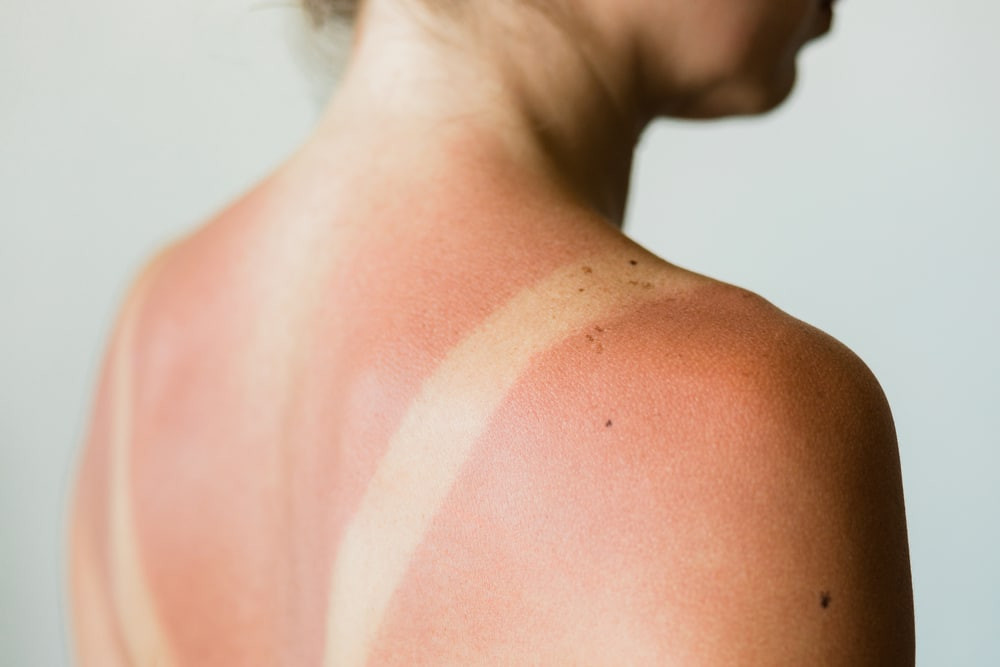
For many years, the widely accepted explanation behind sunburn has centered on the idea that ultraviolet (UV) radiation causes DNA damage in skin cells, which then sparks inflammation and programmed cell death to protect against cancer development. This model has influenced dermatology education, funding priorities in cancer research, and public health campaigns, especially in areas with intense sun exposure.
New findings by scientists at the University of Copenhagen along with those from Nanyang Technological University (NTU Singapore) challenge this conventional view. Their experiments, conducted on both mouse and human skin cell models, reveal that the immediate cellular reaction to UVB rays arises from damage to RNA molecules, not DNA. This discovery revises our understanding of how UV radiation triggers skin inflammation and prompts fresh inquiries into UV-related cellular communication pathways.
The research published in Molecular Cell has garnered significant attention from biomedical oversight bodies and experts investigating skin disease mechanisms. Using mice genetically engineered without the ZAK alpha kinase—an enzyme that senses ribosomal damage—the team observed that hallmarks of UV-triggered injury, such as keratinocyte death and skin thickening, were dramatically reduced. This points to the crucial role of ZAK alpha being triggered by mRNA damage ahead of any DNA-targeted pathways.

RNA Damage Initiates the Skin’s UV Response
The central process involves what is termed the ribotoxic stress response (RSR). UVB exposure harms mRNA, activating ZAK alpha which then sets off chains of inflammation and cell death. “Our findings show that the first cellular alarm after UV exposure is RNA damage,” explained Simon Bekker-Jensen, molecular medicine professor at the University of Copenhagen, “which stimulates skin inflammation and cell death.”
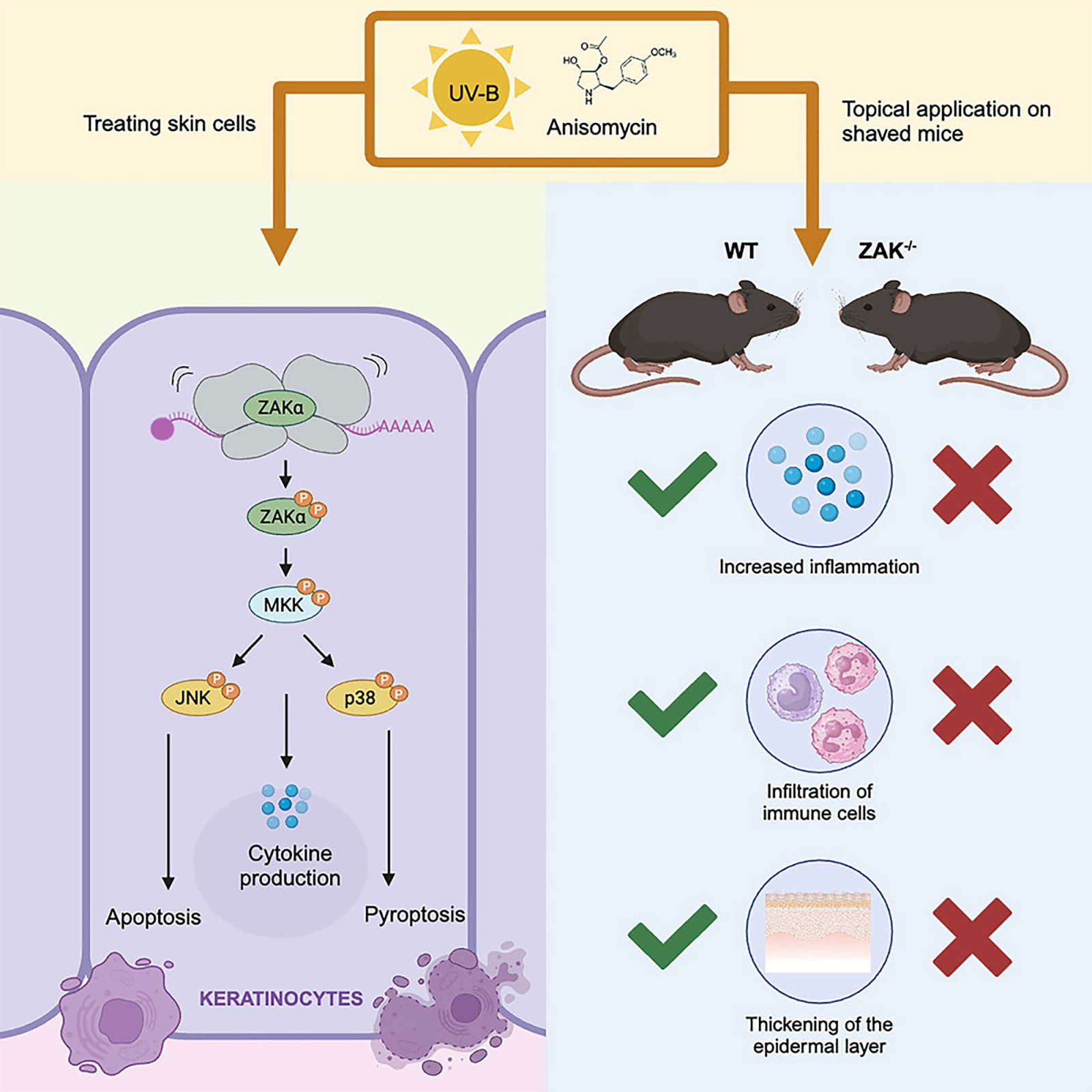
In mice missing the ZAK gene, signs of acute skin inflammation were absent. Complementary lab tests on human keratinocytes verified that RNA damage triggers both pyroptotic and apoptotic death via JNK and p38 signaling pathways, underpinning early UV stress responses controlled by cytoplasmic signals rather than nuclear DNA checkpoint mechanisms.
Reconsidering Diagnostics, Treatments, and Education
This paradigm shift poses significant challenges to existing frameworks. Current sunscreen designs, UV safety guidelines, and dermatological therapies have focused mainly on DNA damage prevention. Recognizing RNA damage as a primary driver demands revisiting photoimmunological models, particularly for UV-triggered inflammatory disorders like polymorphic light eruption and UV-exacerbated eczema.
Additionally, ZAK alpha emerges as a promising therapeutic target and diagnostic biomarker. Manipulating this ribotoxic stress pathway could lead to novel treatments that curb UV-induced inflammation independently from DNA repair mechanisms. Still, these potentials are theoretical for now, with no clinical trials for ZAK alpha inhibitors underway as of early 2026.
The study, conducted by the Department of Cellular and Molecular Medicine at the University of Copenhagen with collaborators at NTU’s Lee Kong Chian School of Medicine, signals a need to revisit academic and clinical approaches. Co-author Assistant Professor Anna Constance Vind commented, “This insight upends the conventional association of sunburn with DNA damage. It’s a fundamental shift in our understanding.”
Educational content and clinical protocols centered on DNA-based models must evolve to incorporate RNA and ribosomal stress mechanisms. Areas likely to be affected include:
- Medical education focusing on dermatology, cell biology, and photobiology
- Training materials for dermatologists and family physicians
- Diagnostic practices for UV-induced skin inflammation
- Pharmaceutical research targeting early UV damage signaling
Ongoing research seeks to determine if this RNA-first model applies across diverse skin types, UV wavelengths, and exposure conditions. The interplay between long-term DNA mutations and immediate RNA-triggered responses remains unclear, but they may function via distinct yet complementary biological pathways.
- Categories:
- News











0 comments
Sign in to Comment