
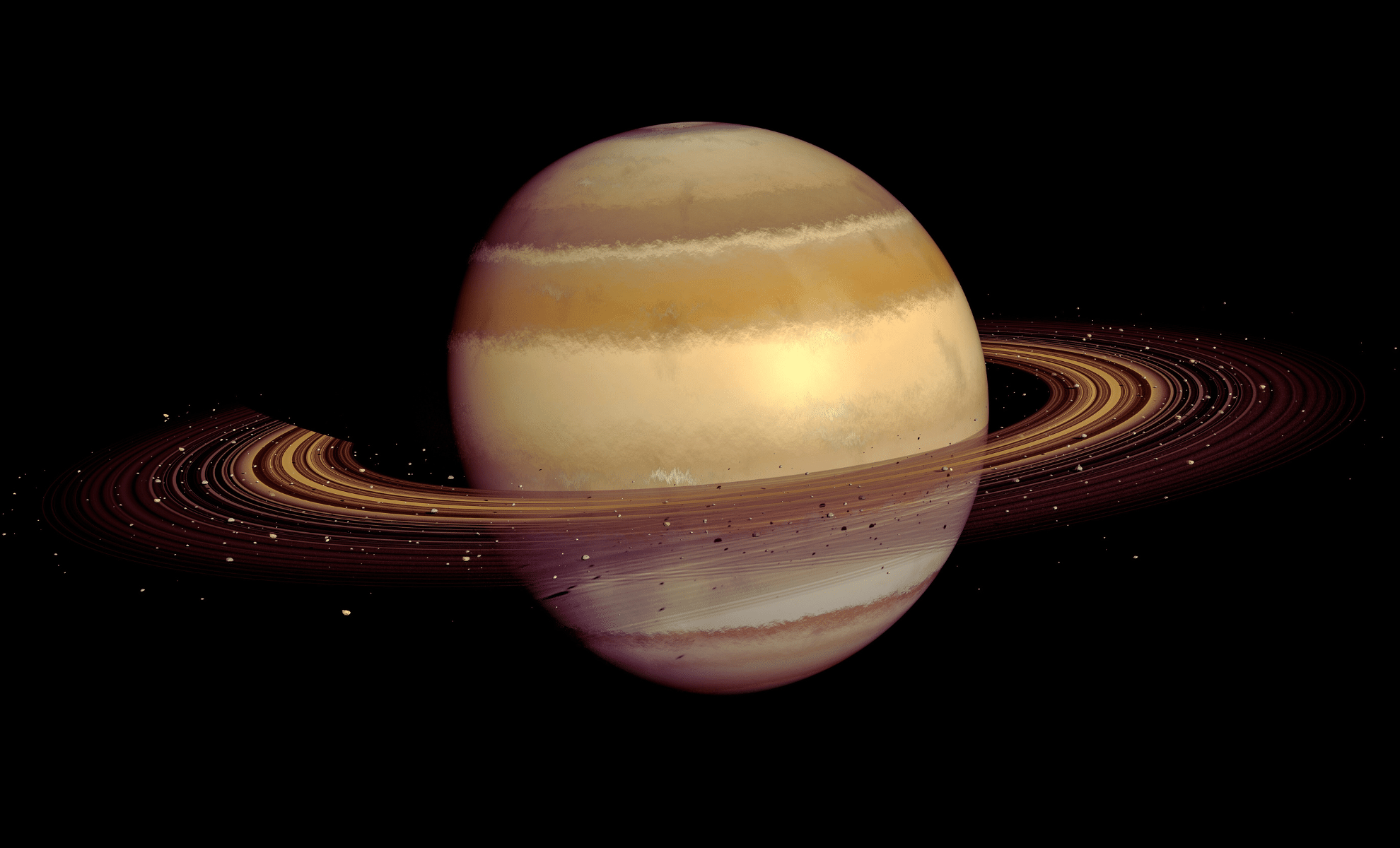
This week presents an exceptional opportunity for astronomy lovers and photographers as Saturn and Neptune reach peak brightness. When the two gas giants align at opposition, as reported by IFLScience , skywatchers on Earth can witness these planets at their most brilliant.
Saturn at Opposition: A Night to Remember
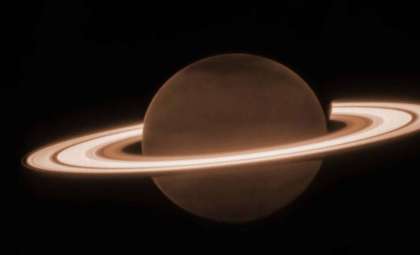
On September 21, 2025, Saturn will arrive at opposition, a significant event when Earth is positioned directly between Saturn and the Sun. This alignment results in the planet being fully illuminated by sunlight, making it shine brighter than usual. Since Saturn’s orbit around the Sun is slower than Earth’s, oppositions occur about every 374 days. During this period, Saturn will be visible as a radiant disk to the naked eye in the evening sky.
Saturn’s opposition draws the attention of both amateur and professional astronomers due to the planet’s mesmerizing appearance. After sunset, look east to spot Saturn glowing steadily without the flickering typical of stars. This rare viewing window offers a great chance to admire Saturn’s luminous rings and overall grandeur. Observers fortunate enough to witness this event will see Saturn at its most picturesque and brilliant state.

Neptune’s Opposition: Viewing a Remote Blue Giant
Just two days later, on September 23, Neptune will reach its opposition point. Unlike Saturn, Neptune’s subtle blue radiance is only discernible with telescope assistance. Situated some 2.7 billion miles away, Neptune’s opposition happens roughly every 367 days. This timing in tandem with Saturn’s bright display provides a unique occasion to observe both gas giants shining in the night sky.
With a moderate telescope, Neptune appears as a small, blue disk. Advanced equipment can reveal its signature color and atmospheric details, contrasting beautifully with the bright light of Saturn. Both planets will be positioned near each other, creating a stunning celestial spectacle for anyone gazing upward during these nights.
Titan’s Shadow Crossing Saturn: A Special Celestial Feature
A fascinating highlight for Saturn enthusiasts is the shadow transit of Titan, Saturn’s largest moon, on September 20. The shadow will glide across Saturn between 5:09 AM UTC and 7:34 AM UTC, offering optimal viewing conditions for observers in the Americas. This fleeting shadow acts like a “beauty spot” on Saturn’s surface, allowing viewers to witness an extraordinary interaction between the planet and its moon.
As Titan orbits, its shadow temporarily darkens part of Saturn’s cloud tops and rings, creating a mysterious and captivating sight. For those intrigued by Saturn’s moons, this event is rare and highly recommended. Titan’s next transit across Saturn will occur on November 22, providing another intriguing viewing opportunity.
The September Equinox: Enhancing the Stargazing Experience
September also brings the equinox on September 22, 2025, when daylight and night hours balance globally. This event heralds the transition to fall in the Northern Hemisphere and spring in the Southern Hemisphere. Although not directly linked to planetary oppositions, the equinox adds extra astronomical significance to this period.
The almost equal duration of day and night creates ideal conditions for planetary observation. Around this time, with Saturn and Neptune glowing at their brightest, stargazers worldwide have a perfect window to appreciate these distant worlds under favorable evening skies.
Spotting Saturn and Neptune in the Night Sky
Watching these planets is straightforward with some guidance. Saturn appears soon after sunset in the eastern sky as a bright, steady light, distinguishing itself from twinkling stars. Its brilliance is noticeably more intense than nearby stellar points, making it relatively easy to identify.
Neptune, however, demands telescope use due to its faintness and distance. Even so, a moderate telescope can reveal the pale blue globe of Neptune during opposition. The close apparent positioning of Saturn and Neptune during these nights creates an exciting scene for those equipped with optical aids. This conjunction offers a memorable stargazing occasion for enthusiasts of all levels.
- Categories:
- News

0 comments
Sign in to Comment