
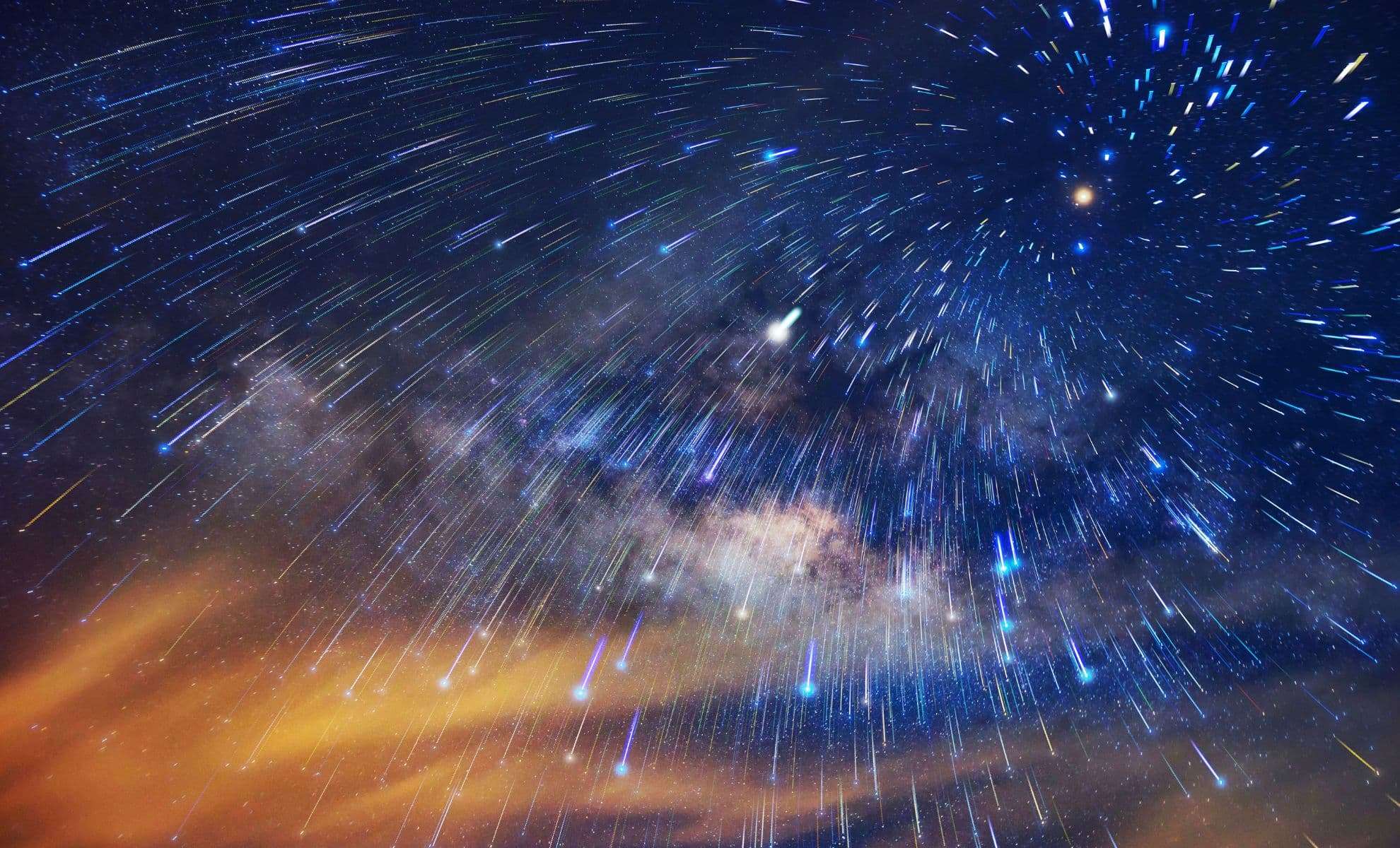
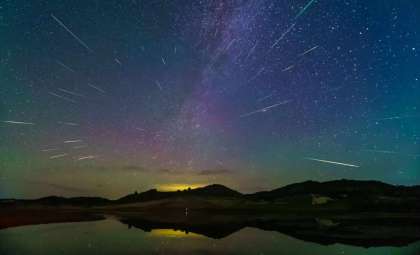
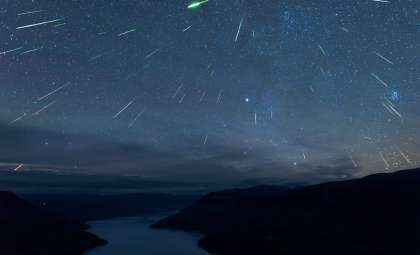
Stargazers worldwide are gearing up to witness an exciting display this week, and the American Meteor Society (AMS) has provided a thorough forecast for meteor activity spanning August 23-29, 2025. This comprehensive outlook is invaluable for anyone hoping to catch dazzling shooting stars lighting up the night sky.
Key Meteor Showers: Peak Viewing Times and Radiant Locations
Understanding the specific timing and radiant points of each meteor shower active this week is essential for planning your observation. Radiants mark the apparent origin point of meteors in the sky, helping you to direct your gaze effectively. Typically, the best viewing happens after midnight through the early morning when these radiant points climb highest above the horizon.
Zeta Draconids (ZDR)
The Zeta Draconids may be less renowned, but offer unique meteor activity from August 12 through September 5, with a peak on August 26. These meteors penetrate the atmosphere at a moderate pace of roughly 22 km/sec. Their radiant lies in the southeastern region of Draco, near the star zeta Draconis. Peak visibility is around 8 p.m. Local Standard Time (LST) when the radiant sits high in the northern sky. Despite this, the chances to spot these meteors are slim—less than one meteor per hour—and observers in the Southern Hemisphere will find it particularly challenging due to the northern positioning.

Kappa Cygnids (KCG)
Operating from July 23 to August 27, the Kappa Cygnids reach their maximum on August 14 but still offer some sightings during the last week of August. These meteors enter the atmosphere at a leisurely speed of approximately 24 km/sec. Their radiant is positioned in the extreme southeastern part of Draco, close to the star kappa Cygni. For the best chance to catch them, look northward around 11 p.m. LST when the radiant is highest. Like the Zeta Draconids, they’re rare and primarily visible from northern latitudes, with expected hourly rates below one.
Perseids (PER)
Although the Perseids reached their peak earlier this month, their activity continues until August 29, offering a good opportunity to spot some lingering meteors. Famous for their rapid speed of 59 km/sec, the Perseids generate some of the brightest trails across the sky. Their radiant is found in southwestern Camelopardalis, with the optimal time to watch being just before sunrise. Observers in the Northern Hemisphere can expect about one falling star per hour, while visibility diminishes for those farther south due to the radiant’s location.
August Beta Piscids (BPI)
The August Beta Piscids are a more subtle meteor shower active from July 28 to September 17, peaking near August 22. These meteors move at a moderate rate of 38 km/sec. Their radiant spot lies in western Pisces, close to iota Piscium. The best viewing window is around 3 a.m. LST when the radiant is loftiest in the southern sky. Typically producing about one meteor per hour, their activity is anticipated to fade as the month draws to a close.
Aurigids (AUR)
The Aurigids make their appearance toward the month’s end, with activity from August 29 to September 2 and a peak on August 31. These fast-moving meteors travel at 66 km/sec. Their radiant lies in central Auriga, near the star Mahasim (theta Aurigae A). The ideal viewing time is during the last dark hour before sunrise, with around one meteor per hour expected. Despite its modest intensity, the Aurigids can produce some notably bright streaks.
Enhancing Your Meteor Watching: Tips for the Best Experience
Picking the perfect spot is crucial for successful meteor viewing. Light pollution from cities can severely reduce your ability to see faint shooting stars. To witness the faintest meteors, seek out a dark, secluded location away from artificial lights, such as rural or wilderness areas. Early morning hours generally offer the most meteor activity, making them the prime time for observation.
Timing your outing is also important. Meteor counts often increase after midnight, climaxing just before dawn. While showers like the Perseids may still produce meteors early in the night, the greatest activity tends to be later, especially for showers whose radiant rises after midnight.
- Categories:
- News





0 comments
Sign in to Comment