

As humanity plans for long-duration space expeditions, the possibility of reproduction beyond Earth has moved from speculation to a pressing scientific issue. A recent paper by Arun Vivian Holden reviews the biological, physiological, and environmental hazards that jeopardize conception, pregnancy, and early development in the space environment.
The hurdles to starting families in orbit—from microgravity’s effects to cosmic radiation exposure, and from challenges with rodent reproduction to the role of zinc in fertilization—paint a complex picture far beyond typical science fiction narratives.
Can Life Begin in Microgravity?
The absence of gravity disrupts fundamental reproductive processes, starting with the basic physical interactions needed for fertilization. Without gravity, even achieving sufficient physical contact between sperm and egg becomes difficult. And if fertilization does occur, the impact of space conditions on subsequent embryonic development remains uncertain.

Research on animals yields mixed results: amphibians and fish have successfully reproduced in space, but mammals, particularly mice, have struggled. Some mice did not engage in mating behaviors, while others produced embryos that failed to develop properly. Since mammalian reproduction closely resembles human biology, these findings raise serious concerns about human reproduction beyond Earth.
The Stealth Threat: Space Radiation
Beyond gravity challenges, cosmic radiation presents a severe threat. Without Earth’s protective magnetic field and atmosphere, astronauts and developing embryos are bombarded by high-energy cosmic rays that can damage DNA and disrupt cellular functions.
The critical early stages of pregnancy are especially vulnerable—even a single cosmic ray strike during cell division may terminate development before any signs appear. As pregnancy progresses, the expanding uterus and placenta increase the target area, heightening risks of radiation-induced premature birth. Postnatal radiation exposure could also have lasting consequences on brain growth, learning abilities, and behavior.
Current Research Efforts: Progress and Limitations
Scientists have made strides in studying space-based reproduction. NASA's Micro-11 mission transported human sperm to the International Space Station, where microgravity effects on sperm motility were observed and recorded. Similarly, Japan’s Space Pup experiment examined mouse sperm stored in orbit for extended periods; despite DNA damage, some samples produced healthy offspring upon return to Earth.
However, attempts to achieve full conception and normal embryonic growth in microgravity have encountered significant setbacks. Embryos grown in space tend to have lower survival rates after implantation, and female mice subjected to short spaceflights exhibited severe fertility impairments. Particularly, vital reproductive structures like the corpora lutea, which are essential for hormone production and sustaining pregnancy, were often absent after just two weeks in orbit.
Ethical Quandaries in Extraterrestrial Reproduction
Prospective space colonies will face difficult choices surrounding reproduction. Philosopher Konrad Szocik cautions that establishing human populations on places like Mars may necessitate contentious measures such as regulated mate selection, genome editing, or reproductive quotas.
“It may be seen as problematic in such areas like individual freedom and personal decisions, but also in sexual and reproductive life” he said. Also, the survival of a small, resource-limited Martian colony could demand reproductive control mechanisms considered unacceptable on Earth.
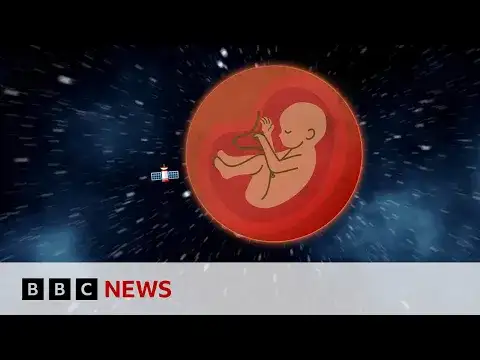
Creating Life in the Final Frontier
Reproducing safely in space presents unprecedented challenges. From fertilization through early childhood, every phase involves risks unique to space conditions. Although research is advancing steadily, many questions remain unresolved.
To truly become an interplanetary species, humanity must overcome more than survival hurdles — it must master reproduction beyond Earth. Ensuring protected embryonic development, shielding from radiation, and reimagining social frameworks for isolated environments are essential steps before this dream becomes reality.
- Categories:
- News












0 comments
Sign in to Comment