
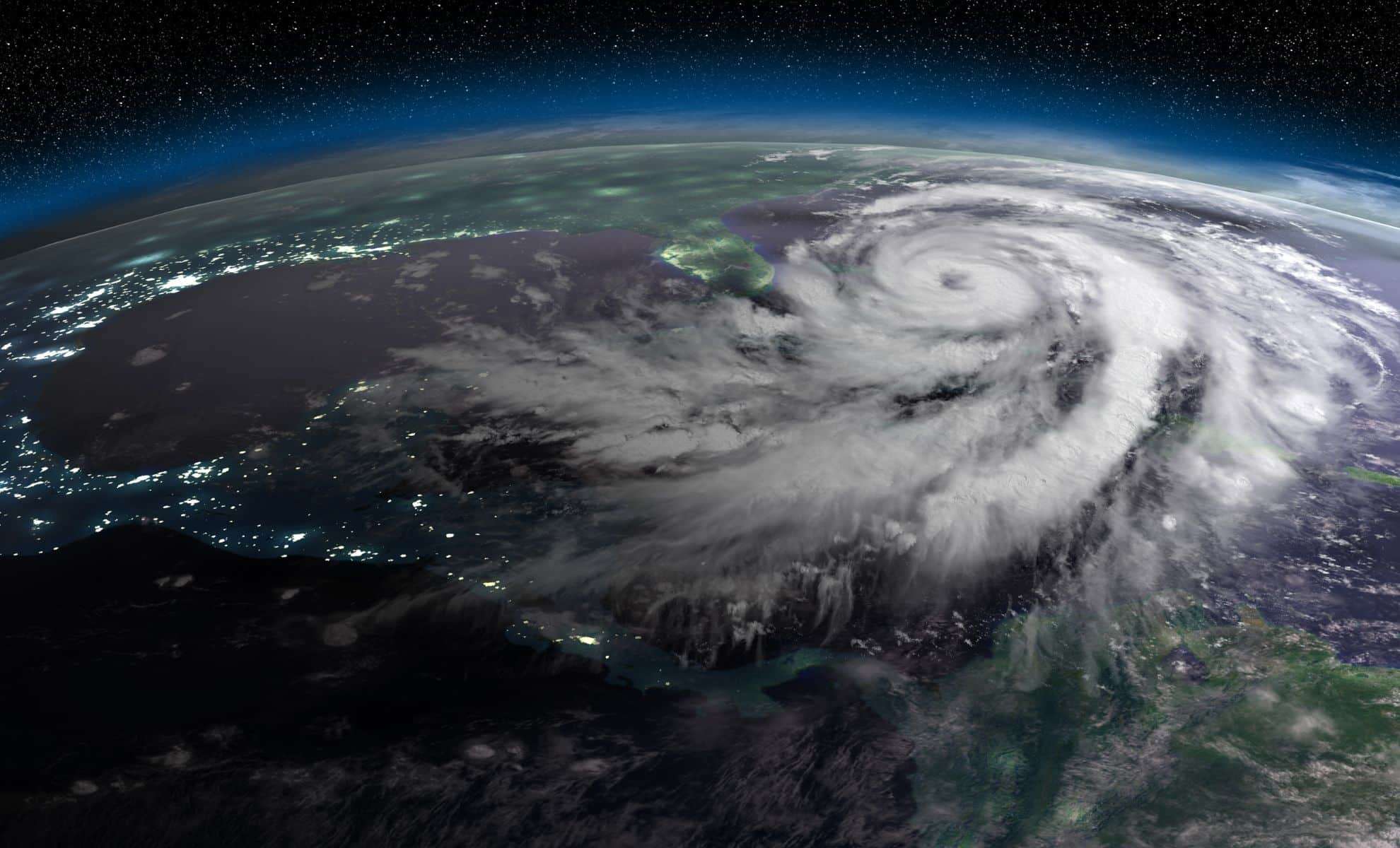
Scientists have verified the existence of colossal space hurricanes swirling above Earth's polar areas, funneling immense amounts of energy into the upper atmosphere and disrupting GPS signals. These plasma-filled storms, invisible to the naked eye, bear a resemblance to terrestrial hurricanes but unfold within the charged particle environment high above the surface.
Formation and Characteristics of Space Hurricanes
Space hurricanes mimic the shape of typical hurricanes, featuring spiraling arms, a calm eye at the center, and a rotating structure. However, instead of air, these phenomena consist of plasma, a flow of electrically charged particles. Their “precipitation” consists not of water, but of energetic electrons.
These intense storms form when there is a rapid influx of solar wind energy and charged particles into the Earth's ionosphere, predominantly near the polar zones. Analysis of a 2014 space hurricane showed that the energy released parallels that of a magnetic storm, sufficiently strong to disturb the magnetic environment at high latitudes.

Impact on Navigation and Communication Systems
Although these storms take place far above Earth's surface, they can affect terrestrial technology. The research indicates that space hurricanes cause phase scintillation in signals from Global Navigation Satellite Systems such as GPS. These interferences degrade positioning accuracy and reliability, potentially disrupting aviation, maritime operations, and any systems relying on precise location data.
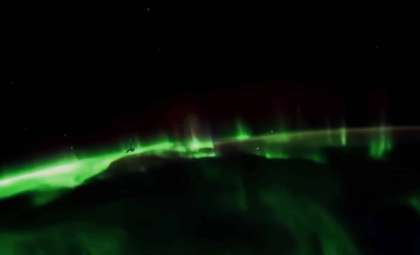
Since these storms often occur during months of polar daylight, they can generate auroras that are difficult to detect. Researchers remarked, “Space hurricanes can cause aurorae, but their daytime occurrence makes them elusive,” emphasizing how challenging they are to observe.
Emergence of a New Category in Space Weather
Although space hurricanes were officially identified in 2021, scientists have linked their presence to decades of archived magnetospheric records. From 2005 to 2016, researchers observed 329 instances in the Northern Hemisphere and 259 in the Southern Hemisphere. These events mostly occur above 80° magnetic latitude, coinciding with the hemisphere currently bathed in polar daylight.
Factors influencing their formation include the solar cycle, Earth's magnetic field configuration, and seasonal patterns. Ongoing research in this area sheds light on the lesser-known aspects of space weather and its effects on our planet's upper atmosphere.
Insights from Recent Studies
Examination of the 2014 occurrence has revealed that space hurricanes are not exceptional events but recurring plasma storms intimately interacting with Earth's magnetic environment. Their capacity to disturb satellite navigation signals highlights the importance of sustained observation of space weather phenomena.
The findings, published in the journal Space Weather, contribute to increasing evidence that these plasma vortices might play a critical role in deepening our understanding of the Sun-Earth connection.
- Categories:
- News



0 comments
Sign in to Comment