
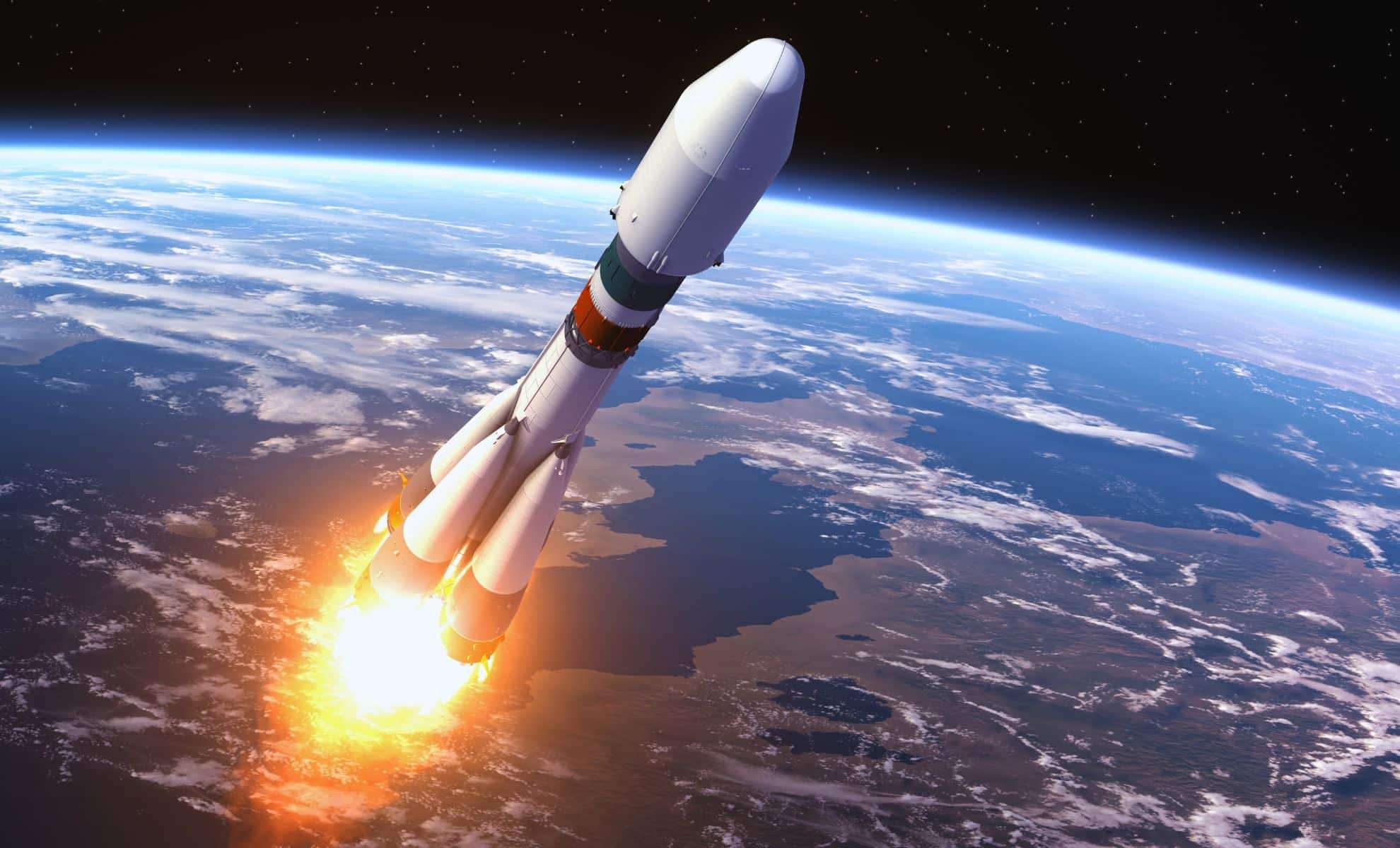
The increasing frequency of rocket launches worldwide poses a risk to the progress in restoring Earth’s ozone layer, a new study by researchers from the University of Canterbury and ETH Zurich reveals. As space missions multiply, environmental experts are raising alarms about the long-term effects these activities may impose on the planet’s stratosphere. With thousands of satellites now circling the globe and launch rates climbing rapidly, emissions originating from rockets could significantly hinder the ozone layer’s regeneration.
Using sophisticated chemistry-climate simulations, the research team projected the consequences of rocket exhausts up to 2030. Their findings indicate that the escalating pace of launches might lead to pronounced ozone depletion, especially in polar regions like Antarctica. These pollutants linger in the upper atmosphere for extended periods, where natural cleansing processes such as precipitation are absent, endangering the fragile ozone recovery. As global competition in space exploration grows, addressing these environmental hazards is essential to balance technological gains with planetary health.
Environmental Impact of Rocket Activities
Space exploration has catalyzed significant technological advances and deepened our cosmic knowledge. Nevertheless, the rapid increase in launch volume invites scrutiny over environmental repercussions. The number of orbital missions, which was 97 in 2019, is projected to triple to 258 by 2024 and surge beyond 2,000 annually by the decade’s end. This trend challenges environmental sustainability since rocket emissions, including black carbon and chlorine compounds, persist in the stratosphere far longer than conventional pollutants near Earth’s surface. Unlike terrestrial pollution, these substances are not washed away by rain and can remain airborne for years, spreading globally and alarming atmospheric scientists.

“The swift expansion of global rocket launches threatens to impede the recovery of the ozone layer,” noted lead author Sandro Vattioni. “This issue is underestimated but could be addressed through proactive and collaborative measures.” The accumulation of space debris and the release of hazardous rocket emissions may undermine the ozone layer's restoration, with potential negative effects on ecosystems and public health worldwide.
Protecting the Ozone Layer’s Recovery
The ozone layer serves as Earth’s shield against damaging ultraviolet (UV) radiation from the Sun, which can cause health problems such as skin cancer, eye damage, and immune system suppression. It also plays a vital role in sustaining marine ecosystems by protecting phytoplankton, a primary food source in aquatic habitats.
Since the enactment of the Montreal Protocol in 1989, which phased out chlorofluorocarbons (CFCs) responsible for ozone depletion, atmospheric ozone concentrations have been gradually recovering. Nonetheless, current ozone levels remain roughly 2% below those before industrialization and are not expected to return to full strength until 2066. The study warns that unchecked rocket pollution could postpone this recovery timeline by years or even decades, risking increased UV exposure for living organisms.
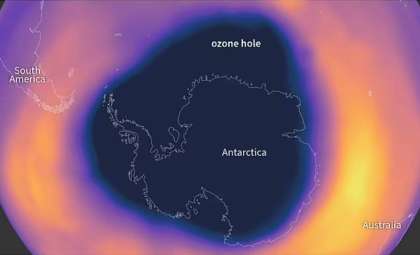
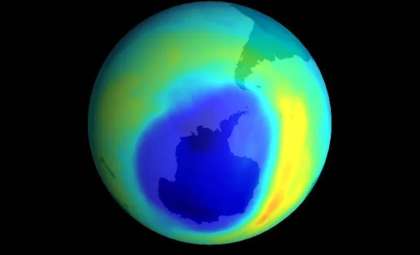
The modeling predicts that if launch activities continue at their current rate, the ozone layer might decline by 0.3% globally by 2030, with regional drops over Antarctica reaching 4%. Although these figures appear modest, even minimal ozone reductions can have outsized impacts on environmental health, particularly amid ongoing restoration efforts following CFC reductions.
- Categories:
- News








0 comments
Sign in to Comment