
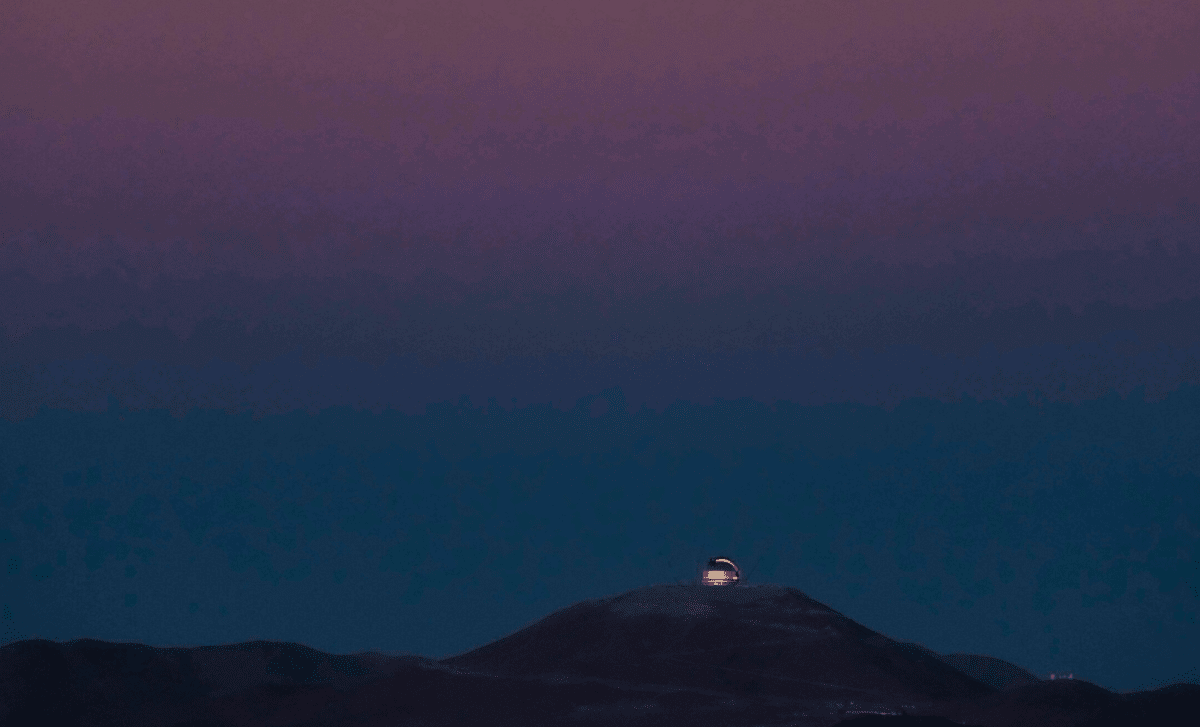
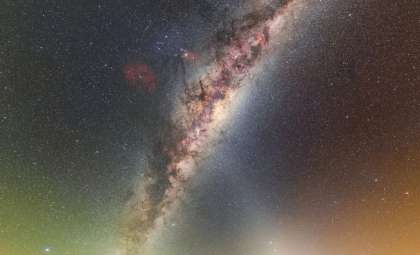
New findings reported by the Associated Press emphasize a growing concern over the Atacama Desert’s exceptionally clear night skies, crucial to modern astronomy and the site of some of the world’s most sophisticated telescopes. As development accelerates, researchers caution that even slight light pollution could undermine decades of scientific progress and hinder the quest for Earth-like exoplanets.
The Atacama Desert: An Astronomical Treasure
The Atacama Desert in northern Chile offers some of the best astronomical observation conditions globally, thanks to its extreme aridity, lofty altitude, and remote location. This rare combination produces an unparalleled transparency that enables telescopes to detect subtle cosmic flashes that would otherwise remain hidden. Consequently, the region has become a premier destination for advanced observatories, including those managed by the European Southern Observatory (ESO) and other international organizations.
“The conditions in the Atacama Desert are unique in the world,” said Chiara Mazzucchelli, president of the Chilean Astronomical Society. “There are more than 300 clear nights per year, meaning no clouds and no rain.”
Add Cosmo Herald as a Preferred Source

Beyond its technical benefits, the Atacama serves as a fundamental window to the cosmos. Scientists worldwide vie for telescope time, with acceptance rates between 20% and 30% at elite sites like Paranal Observatory. The site’s significance grew further with the development of the Extremely Large Telescope (ELT), a $1.5 billion investment poised to revolutionize optical astronomy. Designed to detect Earth-like worlds and evaluate their habitability, the ELT centers the Atacama in humanity’s exploration of extraterrestrial life.
A Scientific Hub Dependent on Pristine Darkness
Home to nearly 30 extensive observatories, the Atacama forms what experts call a “photon valley,” housing some of the world’s most advanced astronomical tools. Chile has become the focal point for terrestrial astronomy, hosting a vast share of global observation facilities.
“Many of these key observatories are located in Chile, with ESO’s installations being the most powerful on the planet,” noted Itziar de Gregorio-Monsalvo, ESO’s Chilean representative. This technological concentration enables coordinated, multi-wavelength studies that deepen our understanding of celestial phenomena.
Expected to be completed by 2030, the ELT will feature 798 mirrors and an unparalleled light-collecting surface, delivering images up to 15 times sharper than those from the Hubble Space Telescope. Maintaining the darkness around such instruments is vital; even minimal artificial illumination or atmospheric disturbances can degrade image quality, negating the capabilities of these multibillion-dollar facilities. Darkness here is an essential scientific asset, not merely a natural state.
Mounting Development Pressures Threaten Dark Skies
While once remote, the Atacama Desert is increasingly encroached upon by expanding mining, energy, and urban projects, bringing new sources of illumination and environmental disturbance. This gradual intrusion endangers the very qualities that make the region ideal for astronomical observation.
A recent example arose when a green energy initiative was proposed within 10 kilometers of Paranal Observatory. Though canceled after widespread opposition, the plan revealed shortfalls in Chile's regulatory safeguards for astronomy zones. Experts caution that light pollution, dust, vibrations, and atmospheric disruptions from such developments could severely impair the observatories’ functionality.
These events have triggered a reexamination of environmental laws and motivated campaigns to reinforce protections. “We are striving to implement strict enough rules to ensure no harm comes to critical astronomical regions,” stated Daniela González, head of the Cielos de Chile Foundation, an organization actively pushing for stronger policies to defend Chile’s dark skies.
Past experiences underscore the urgency: in the mid-1900s, the Smithsonian Institution’s solar observatory closed due to environmental damage caused by nearby industry. Scientists caution that without prompt action, similar losses may occur, threatening both current observatories and future astronomical initiatives.
- Categories:
- News








0 comments
Sign in to Comment