
In June 2025, an uncommon meteorological event disrupted activities in one of Earth’s driest landscapes. A sudden snowstorm hit northern Chile’s Atacama Desert, forcing a temporary pause at the Atacama Large Millimeter/submillimeter Array (ALMA), among the globe’s most sophisticated astronomical instruments.
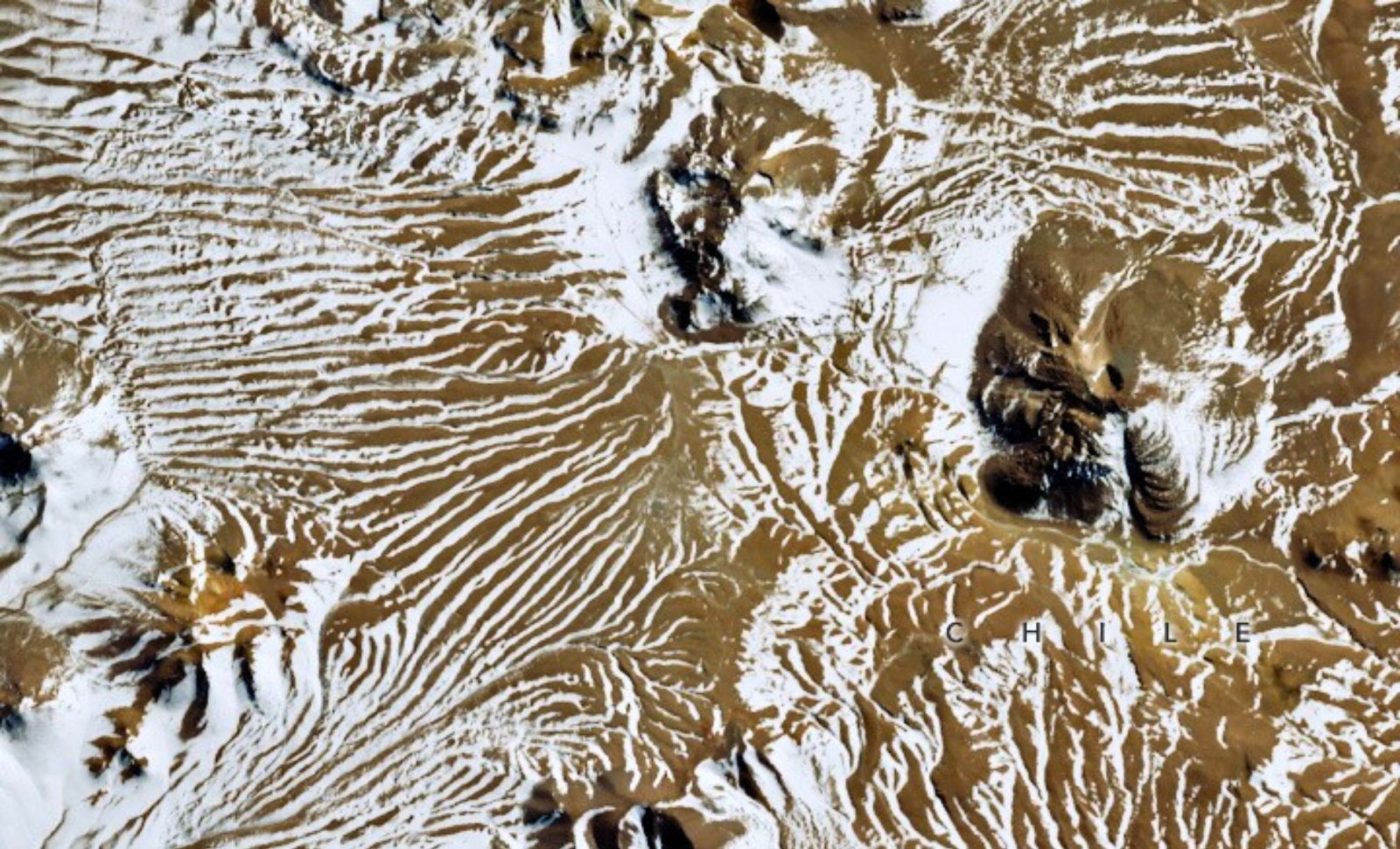
Snow was visibly deposited across the Chajnantor Plateau—a high-elevation terrain renowned for its dryness. Satellite imagery from NASA’s Landsat 9 and MODIS sensors documented the rare change, revealing white patches over a generally barren, rocky expanse.
ALMA ceased observations for several days as technicians switched the observatory into a protective standby mode to avoid snow-induced damage. Snowfall at such altitude is extremely rare, posing challenges for the observatory’s delicate equipment designed for consistent, dry environments.

This incident exemplifies growing weather irregularities in extreme environments. The Atacama, known as the world’s driest non-polar desert, has experienced a handful of unusual precipitation incidents over recent decades, though they remain infrequent and irregular.
ALMA Suspends Operations Amid Snow Cover on Plateau
The snowfall took place on 25 June when a cold-core cyclone moved southward, crossing the Andes. While such systems typically affect mid-latitude areas, they occasionally bring moisture into northern Chile during the winter months, disrupting the normally dry atmosphere that makes the plateau optimal for radio astronomy.
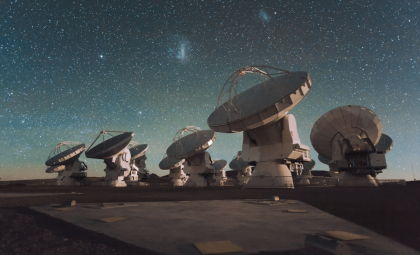
Over 5,000 metres above sea level, ALMA’s 66 antenna dishes shifted into a ‘survival’ stance, tilting vertically to prevent snow pileup. Operated jointly by the European Southern Observatory (ESO), US National Radio Astronomy Observatory (NRAO), and Japan’s National Astronomical Observatory (NAOJ), the facility halted data collection during the snow event.
According to a Live Science article by Harry Baker, ALMA personnel promptly followed contingency procedures. Though no significant harm occurred, the snowfall briefly interrupted a facility known for continuous deep space monitoring.
Nearby observatories, such as the Vera C. Rubin Observatory still under construction and the SOAR telescope located about 850 km south, remained unaffected.
Extreme Dryness and Climatic Peculiarities
Known for extreme dryness, the Atacama Desert boasts some of the lowest rainfall figures worldwide. The town of Quillagua holds a Guinness World Record for the least yearly precipitation, with an average of only 0.5 mm from 1964 to 2001.
The desert’s aridity is shaped by two natural barriers: the Andes Mountains block humid air from the east while cold Pacific currents reduce evaporation and cloud formation from the west, making precipitation—and snowfall—even more rare.
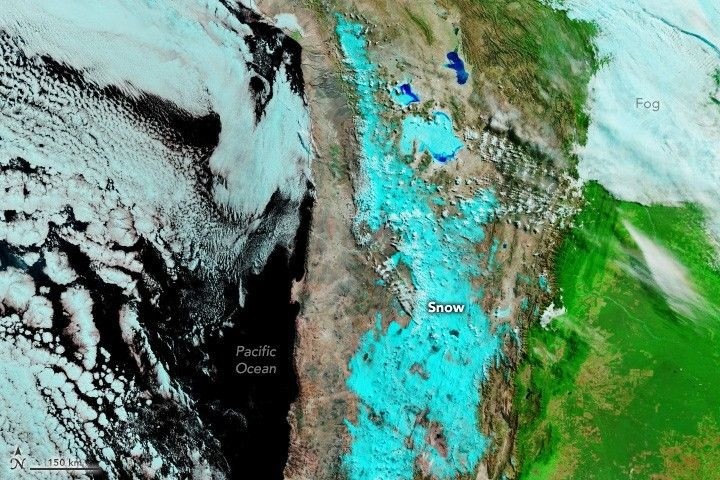
NASA’s Earth Observatory confirmed that this 2025 snow event spread widely across the Altiplano, encompassing the ALMA site.
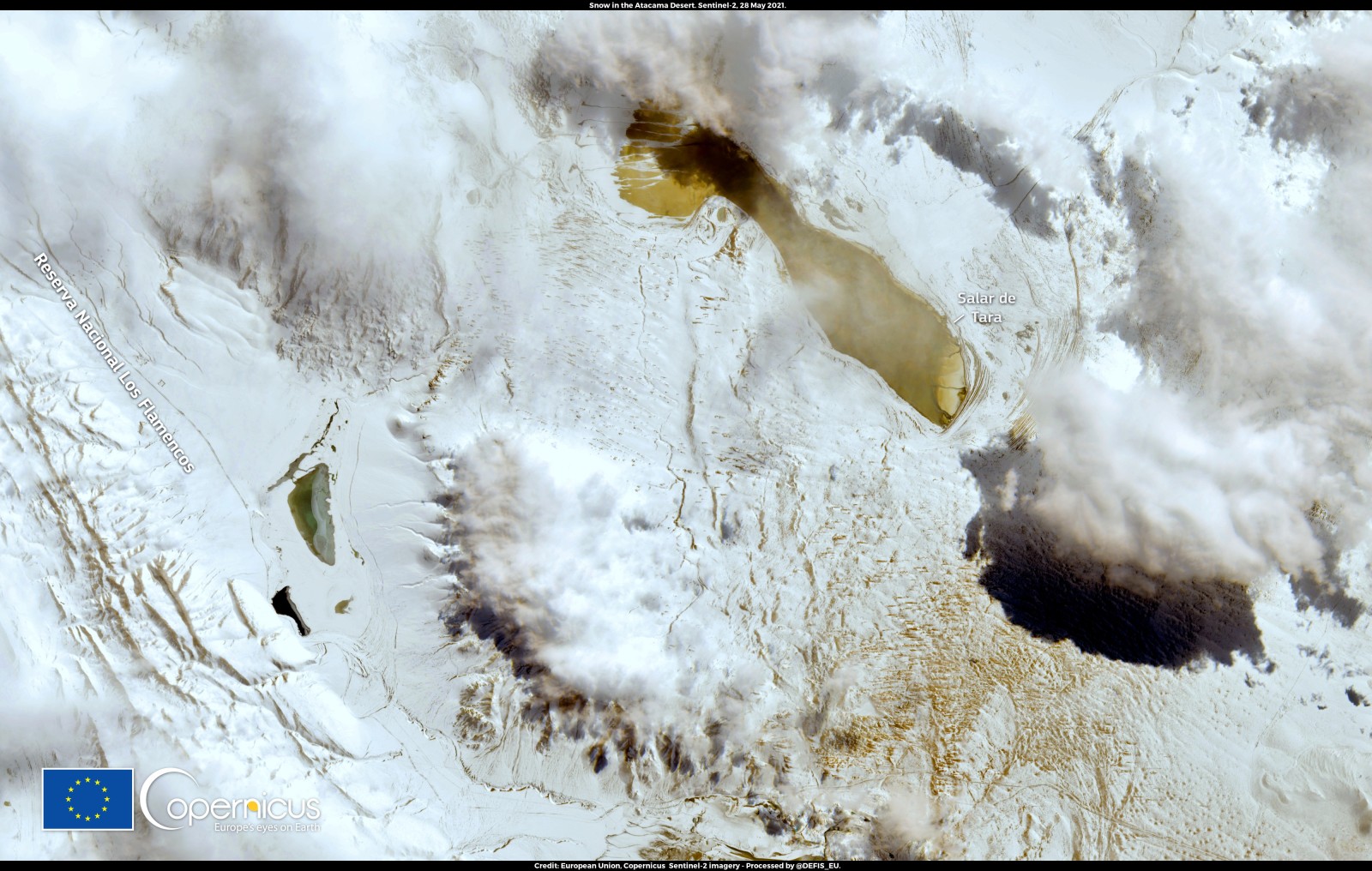
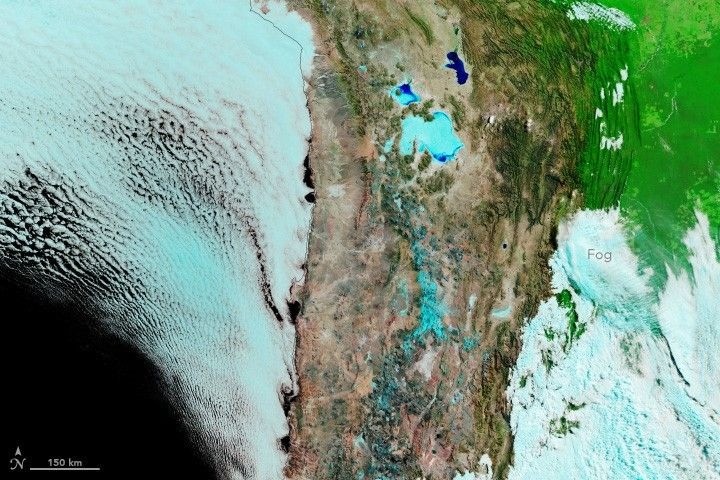
Similar, though less extensive, snowfall occurrences were recorded in 2011, 2013, and 2021. Follow-up images from July 10 and 16, 2025, showed rapid snow disappearance, attributed to sublimation driven by the desert’s intense sunlight.
A related research article by Cordero in the Bulletin of the American Meteorological Society highlights the Atacama region, especially the Chajnantor Plateau, as one of the sunniest locations on Earth. This high solar irradiance accelerates snow loss and limits accumulation during sporadic snowfall.
Consequences for Astronomy and Local Ecosystems
The site’s selection for ALMA hinged on its exceptional dryness to reduce atmospheric distortion. Its 66 highly precise antennas synergize as an interferometer to detect faint millimeter and submillimeter radio waves emitted by distant celestial bodies, star-forming regions, and molecular clouds.
The official ALMA overview states the observatory depends on minimal atmospheric water vapor to capture cold cosmic emissions effectively, making any environmental disturbance a potential threat to data reliability. Snow and moisture risk damaging sensitive equipment and infrastructure not engineered for frozen conditions.
Although the snow caused only a brief pause, the rise in unusual precipitation events prompts concern over the site’s future stability. Notably, 2015 witnessed the Atacama’s worst flooding on record, claiming over 30 lives. A 2016 study published in Geophysical Research Letters linked such extreme weather to shifts in midlatitude atmospheric patterns and regional temperature changes.
Additionally, rainfall anomalies have triggered unexpected biological phenomena like off-season wildflower blooms, signaling deeper alterations in local hydrology and vegetation patterns.
- Categories:
- News









0 comments
Sign in to Comment