
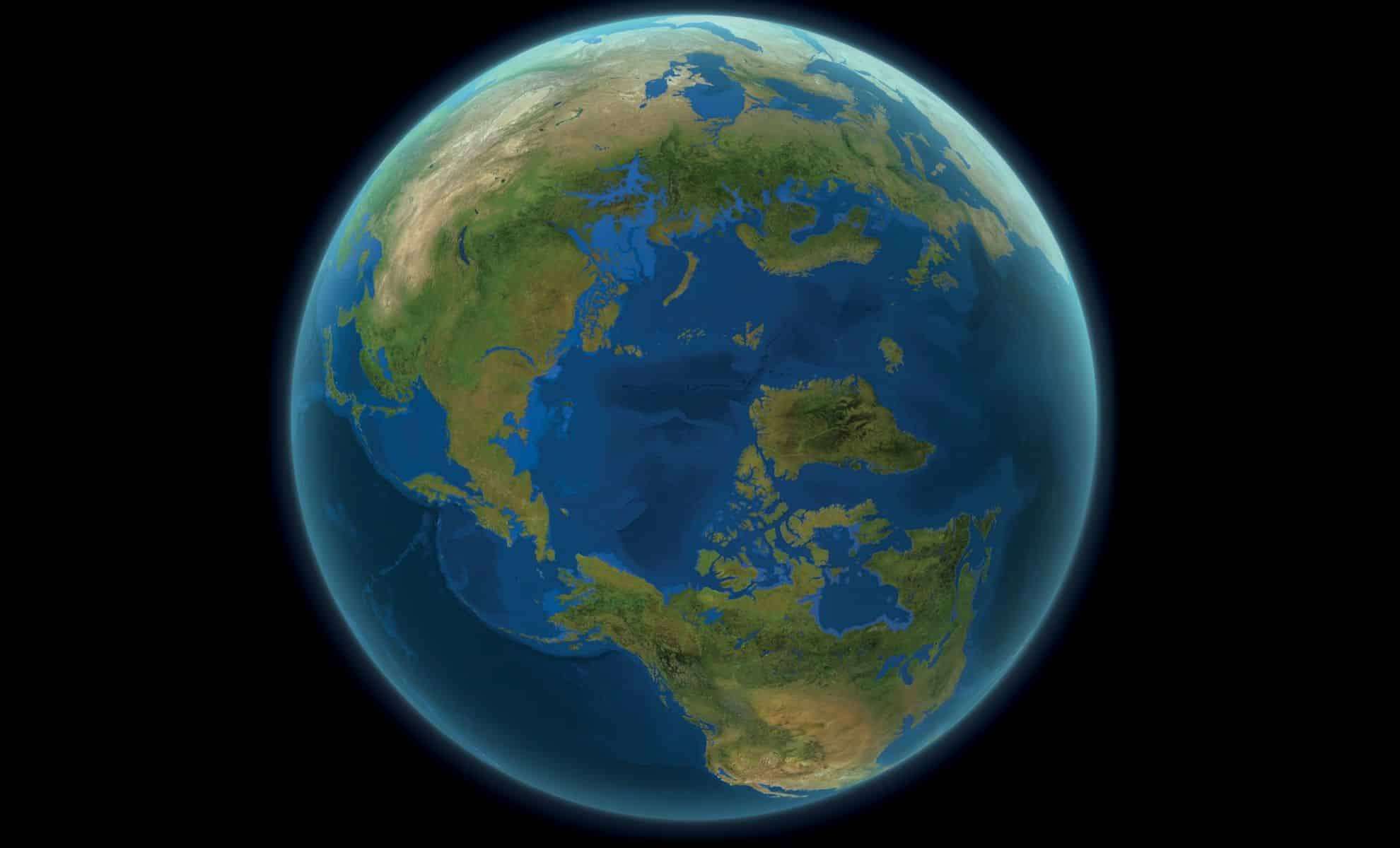
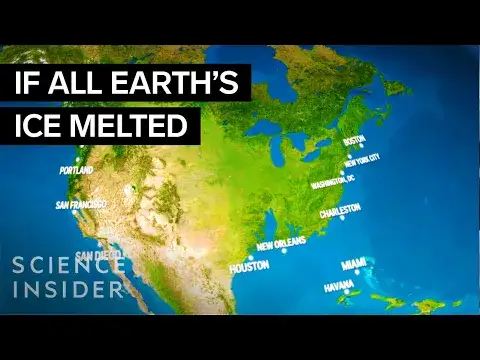
Picture a planet where every glacier and ice sheet on land has vanished. While it might seem like a scene from a speculative novel, this scenario is edging closer due to accelerating climate change. A recent video by Business Insider Science offers a vivid visualization of how Earth's shorelines could transform if all terrestrial ice, including the colossal ice sheets in Antarctica and Greenland, melted away. The transformation is staggering, with numerous coastal metropolises at risk of being submerged beneath rising waters.
Business Insider Science delves into this alarming prospect, illustrating how cities such as Brussels, Venice, Miami, and many others face potential inundation. These projections are not mere hypotheticals; they are grounded in scientific models based on ongoing trends in global temperature increases and greenhouse gas emissions, supported by research published in Science Advances and featured in National Geographic.
Understanding the Melting of Land-Based Ice
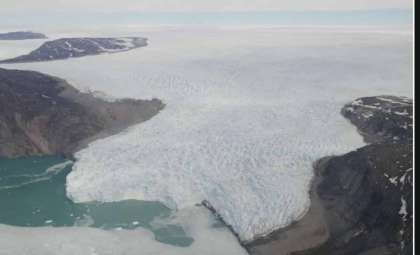
The Earth's two dominant ice sheets, located over Antarctica and Greenland, cover an area exceeding 6 million square miles. These vast reservoirs of frozen freshwater hold a substantial portion of the planet’s supply. Should these ice bodies melt completely, global sea levels would surge by nearly 200 feet, dramatically reshaping coastlines worldwide and endangering billions inhabiting low-lying regions.

Driven by rising greenhouse gas concentrations, primarily carbon dioxide from fossil fuel consumption, global temperatures are increasing at an alarming pace. This warming intensifies ice melt, pushing these massive ice sheets toward potential irreversibility, with consequences felt across ecosystems and human settlements.
Impact on Coastal Urban Centers
The rise of ocean levels fueled by melting terrestrial ice stands as one of the gravest threats posed by climate change. A total loss of land ice would spell disastrous flooding, threatening coastal cities worldwide. Iconic locations like Brussels and Venice, celebrated for their heritage and waterways, could disappear beneath the ocean. African hubs such as Dakar and Accra, alongside notable Middle Eastern cities like Jeddah, would also suffer severe flooding.
Across Asia, major urban areas including Mumbai, Beijing, and Tokyo would face mass relocations inland to escape rising seas, displacing millions. South America's principal cities, including Rio de Janeiro and Buenos Aires, would also encounter severe threats. In North America, famed cities like Houston, San Francisco, and New York City could be lost, along with all of Florida. This scenario extends beyond infrastructure damage to trigger a worldwide humanitarian emergency.
Climate Change: Driving the Ice Melt Crisis
The connection between land ice loss and climate change is unequivocal. The continued release of carbon dioxide from energy production relying on fossil fuels has caused Earth’s average temperatures to climb rapidly. This warming contributes directly to the accelerated disintegration of polar ice sheets, funneling vast quantities of water into our oceans and elevating sea levels globally.
Without significant cuts in emissions, these ice sheets risk hitting a point of no return, leading to irreversible environmental transformations and severe impacts on human populations. Combating climate change by addressing its fundamental causes is essential to averting this unprecedented future.
- Categories:
- News









0 comments
Sign in to Comment