
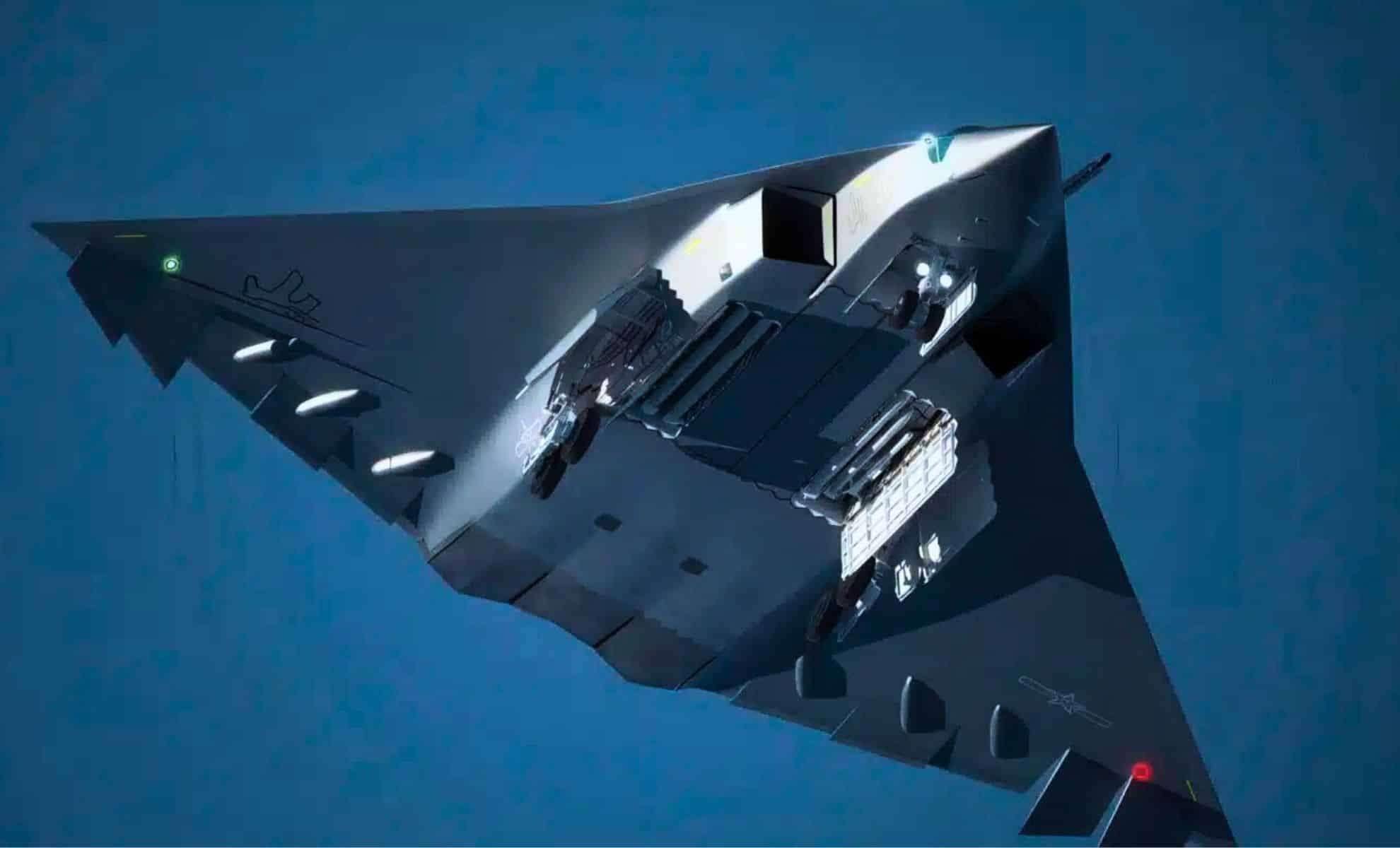
Off the eastern shores of China, aviation testing has reached a revolutionary milestone. New reports highlight the development of a sophisticated carrier-based stealth fighter and an innovative landing system engineered to function flawlessly amid tumultuous ocean conditions. These advancements mark a significant upgrade in China’s naval air power capabilities.
Rigorous Trials in Harsh Maritime Environments
As reported by the South China Morning Post, Chinese engineers recently demonstrated a novel carrier-based landing system capable of handling wave heights up to six meters. Such sea states correspond to level 6, classified as "very rough" by global meteorological standards.
The evaluation occurred at a naval test facility located along China’s eastern coast, under the auspices of the Shenyang Aircraft Design Institute (601 Institute), part of the Aviation Industry Corporation of China (AVIC), which spearheads the country’s military aerospace projects.

Utilizing a specialized simulation platform, researchers recreated complex maritime conditions including powerful wave action, fluctuating wind forces, and sea surface disturbances to accurately mimic scenarios encountered during naval air combat.
Introducing a Sixth-Generation Stealth Fighter Concept
The aircraft involved in these tests is widely speculated to be China’s forthcoming sixth-generation fighter, often referred to as the J-36 by defense observers, though its official codename has not been released. This stealth platform is tailored for carrier deployment and is expected to operate aboard the next-generation Type 004 aircraft carrier.
Development is predominantly led by the Shenyang Aircraft Design Institute, with collaboration from the China Shipbuilding Industry Corporation (CSIC). The fighter boasts advanced stealth technologies, extended operational range, and incorporates AI-assisted flight control systems to elevate mission effectiveness.
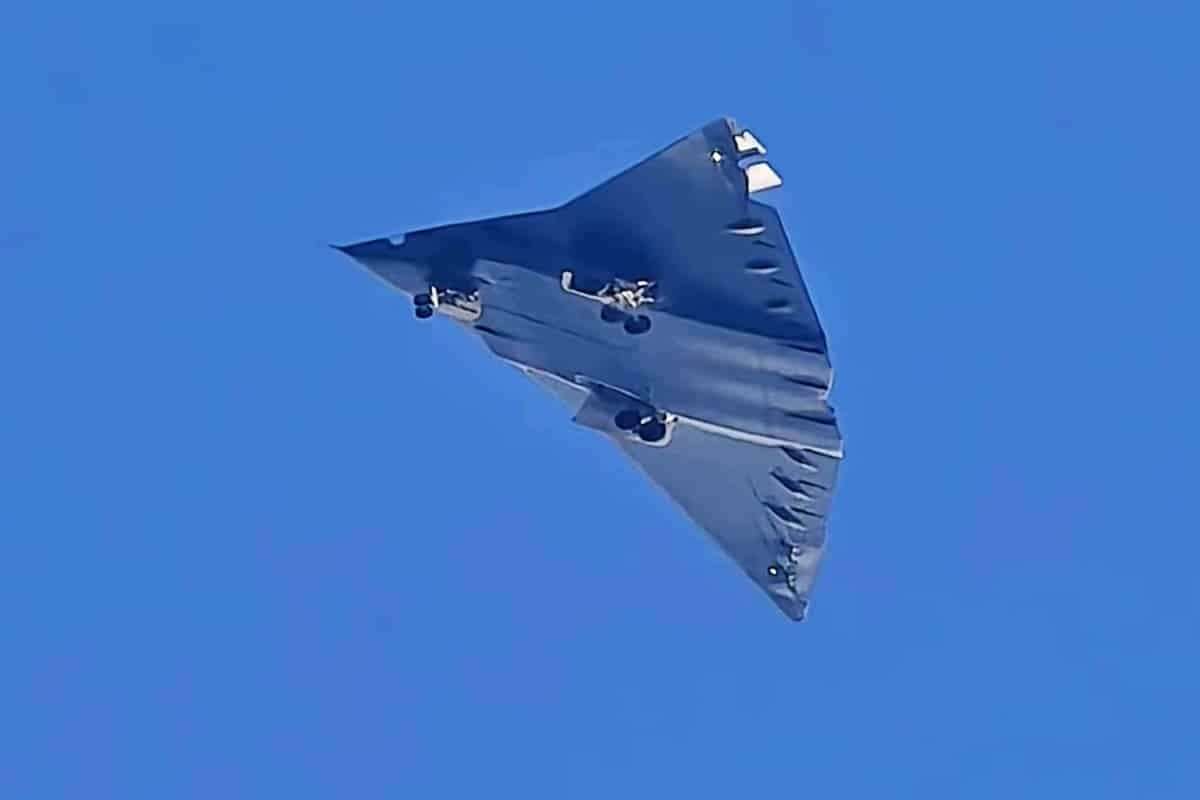
Though details remain classified, insider reports hint that the J-36 or its prototype may feature a tailless flying wing architecture, superior radar evasion, and compatibility with China’s emerging electromagnetic aircraft launch system (EMALS).
Innovative Carrier Landing Technology
A pivotal element of the program is the newly designed aircraft carrier landing system. This cutting-edge solution aims to assist aircraft in securing stable landings on dynamically shifting carrier decks under rough sea states. It combines a motion compensation mechanism with advanced arrestor gear to maintain aircraft steadiness during final descent.
An unnamed engineer from AVIC told the SCMP, “The system’s resilience to sea state 6 conditions ensures safe takeoffs and landings even amidst challenging ocean weather, without impacting aircraft performance.”
The complex simulation incorporated synchronized control systems and onboard avionics that enable pilots or AI copilots to fine-tune flight paths in real time. Additionally, the fighter’s landing gear and flight control components are engineered to tolerate the intense vertical and lateral forces generated by ocean turbulence.
Implications for China’s Naval Strategy
Both the sixth-generation stealth fighter and the innovative landing platform are integral to China’s strategic efforts to expand its blue-water naval reach, ensuring operational capabilities in distant maritime regions like the South China Sea and the wider western Pacific.
This initiative aligns with China’s progress on the Type 004 aircraft carrier, anticipated to boast nuclear propulsion and a larger hull than its predecessors. Analysts expect the new carrier to deploy advanced fighters such as the J-36 within a modernized air wing.
The carrier-based stealth fighter may also be equipped to operate alongside unmanned drones, electronic warfare equipment, and integrated combat networks, signaling a move toward more autonomous and resilient future carrier air operations.
- Categories:
- News











0 comments
Sign in to Comment