
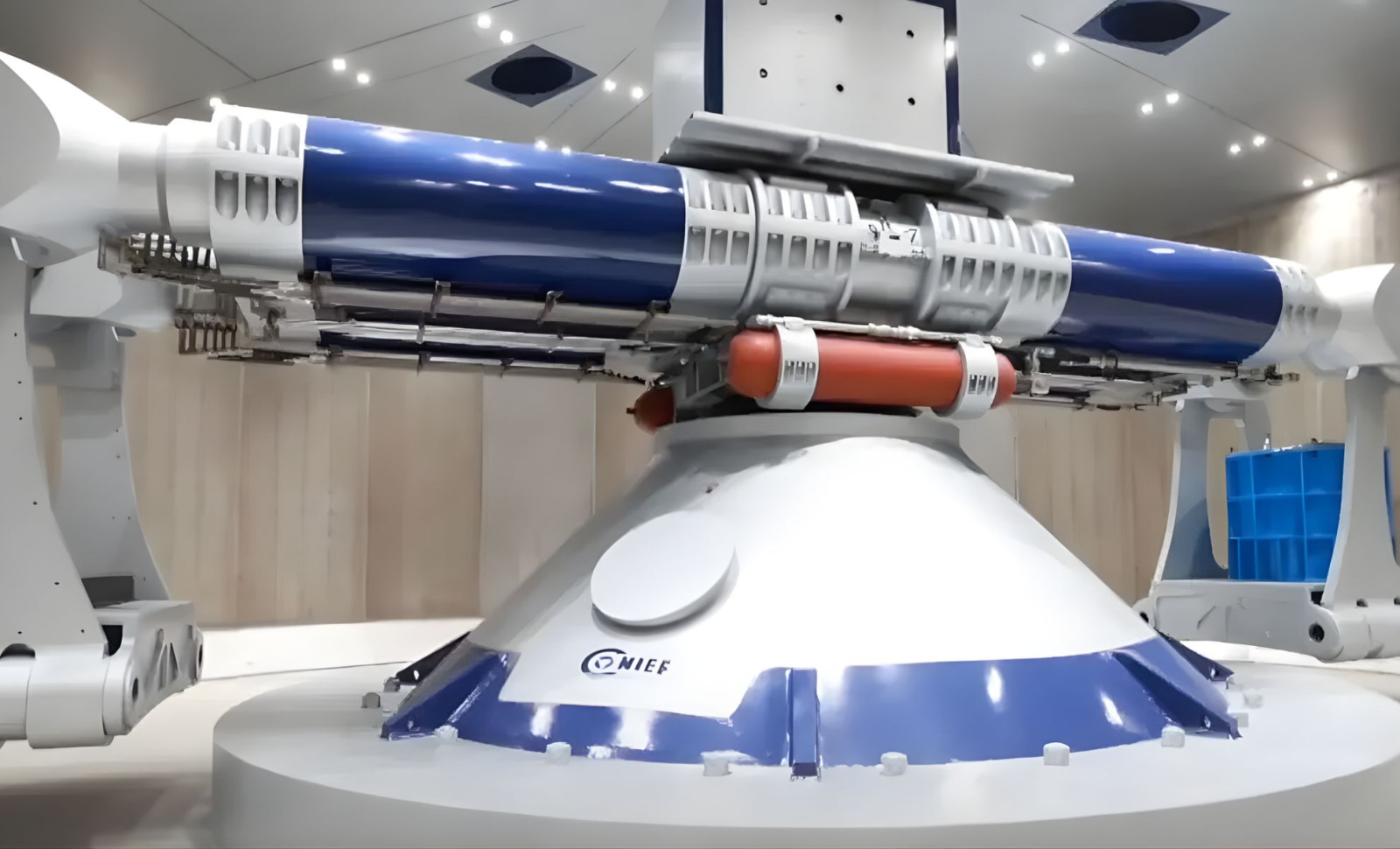
China has introduced the world’s leading hypergravity centrifuge, the CHIEF1900, setting a new benchmark in simulating extreme conditions for scientific experiments and industrial tests. Created by the Chinese Academy of Sciences, this machine far surpasses the performance of its predecessor, the CHIEF1300, also engineered in China.
This innovative device enables scientists to replicate intense gravitational forces and expedite the passage of time within brief experimental periods, opening avenues for deeper insights into physical phenomena and advancing space exploration technologies.
Pushing Engineering Beyond Terrestrial Boundaries
Managed by the Institute of Physical and Chemical Research (IPCR), the CHIEF1900 is a pivotal component of China’s expanding capabilities in space environment simulation. It is designed to generate extraordinary g-forces unattainable through conventional techniques, supporting diverse research fields such as material science, planetary geology, and biomedical studies. Interesting Engineering recognizes it as the most advanced centrifuge globally.

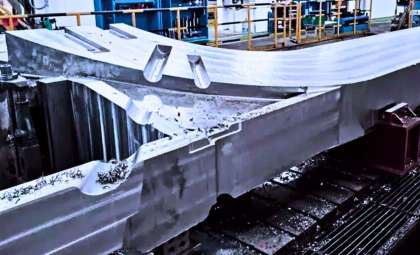
The designation CHIEF1900 reflects its capability to produce a combined force of 1900 g-tonnes, effectively multiplying gravity by the device’s mass in rotation. Utilizing a 12-meter rotating arm, as reported by Interesting Engineering, it achieves extreme gravitational effects over a compact radius.
This technology is transformative for researchers recreating conditions akin to planetary interiors or testing material resilience under severe stress surpassing normal Earth gravity. The Chinese team highlights the machine’s capacity for real-time monitoring, a rare feature at such high forces, allowing experiments traditionally reliant on space missions or large-scale setups to be conducted within a laboratory setting.
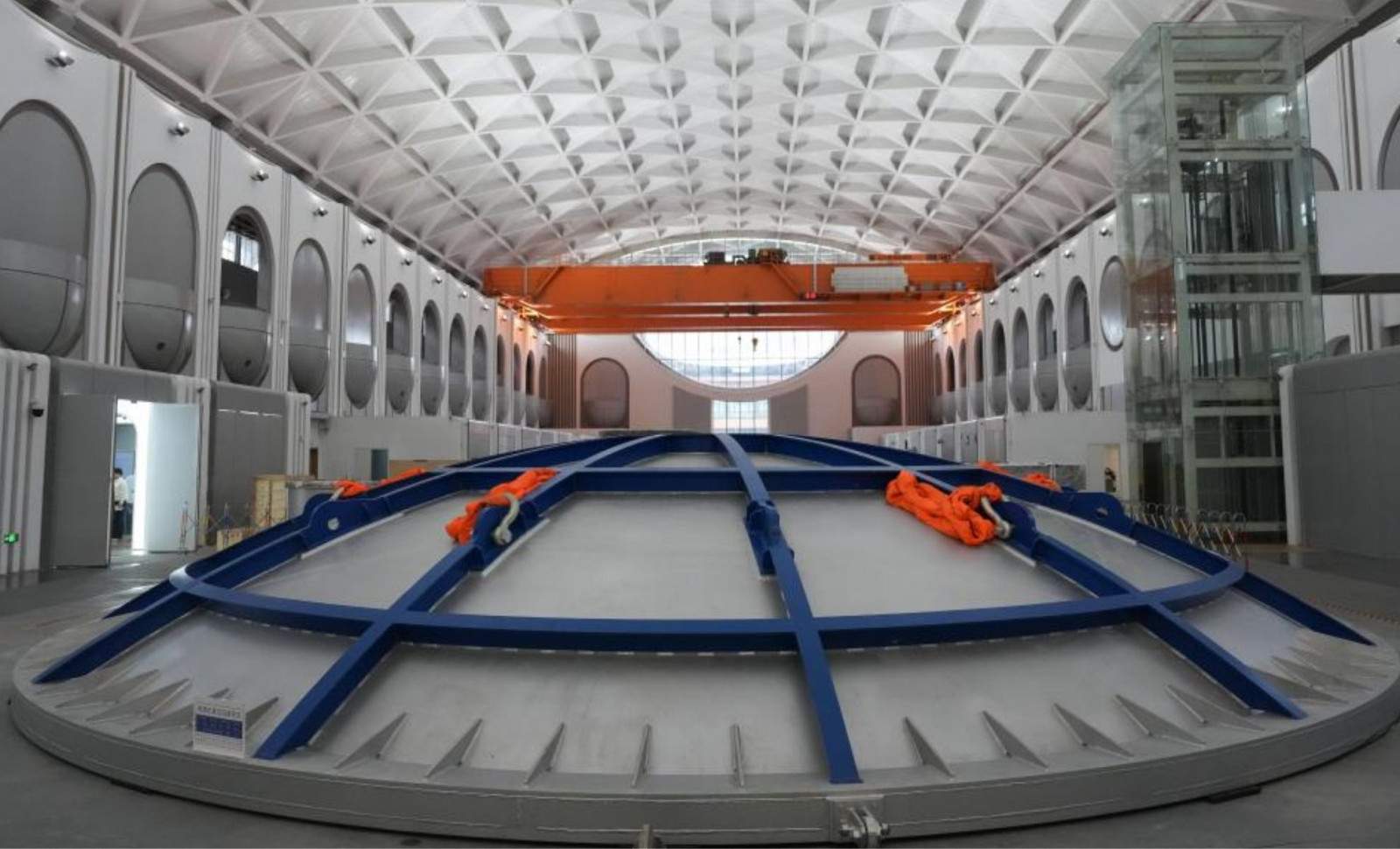
Accelerating Time by Harnessing Gravity
Scientists in China emphasize that the CHIEF1900 enables them to effectively “compress space and time” by accelerating processes that would normally take years to occur naturally. For instance, the compaction of soil or rock, which usually spans decades under Earth’s gravity, can now be completed within hours or days.
This ability to condense long-term stresses allows expansive possibilities in evaluating materials and engineering structures designed for extreme environments such as space. The centrifuge can impose intensely high g-forces either uniformly or selectively, tailored to each experiment’s requirements. The creation of the CHIEF1900 also signifies China’s effort to strengthen its capacity to conduct sophisticated experiments independently, reducing the need for external resources.
Transforming Field Research Into Precise Laboratory Tests
With the advent of this groundbreaking centrifuge, China advances its ability to replicate harsh planetary conditions without leaving the lab. This device will facilitate experiments related to rock mechanics, fluid dynamics, and multiphase flow—fields typically explored in specialized underground facilities or through costly field operations.
Conducting these experiments in a controlled laboratory environment minimizes unforeseen variables present in fieldwork, resulting in enhanced accuracy and repeatability. Additionally, leveraging this centrifuge reduces expenses and timelines for testing materials destined for extreme locales such as deep space, the Moon, or Mars.
- Categories:
- News





0 comments
Sign in to Comment