
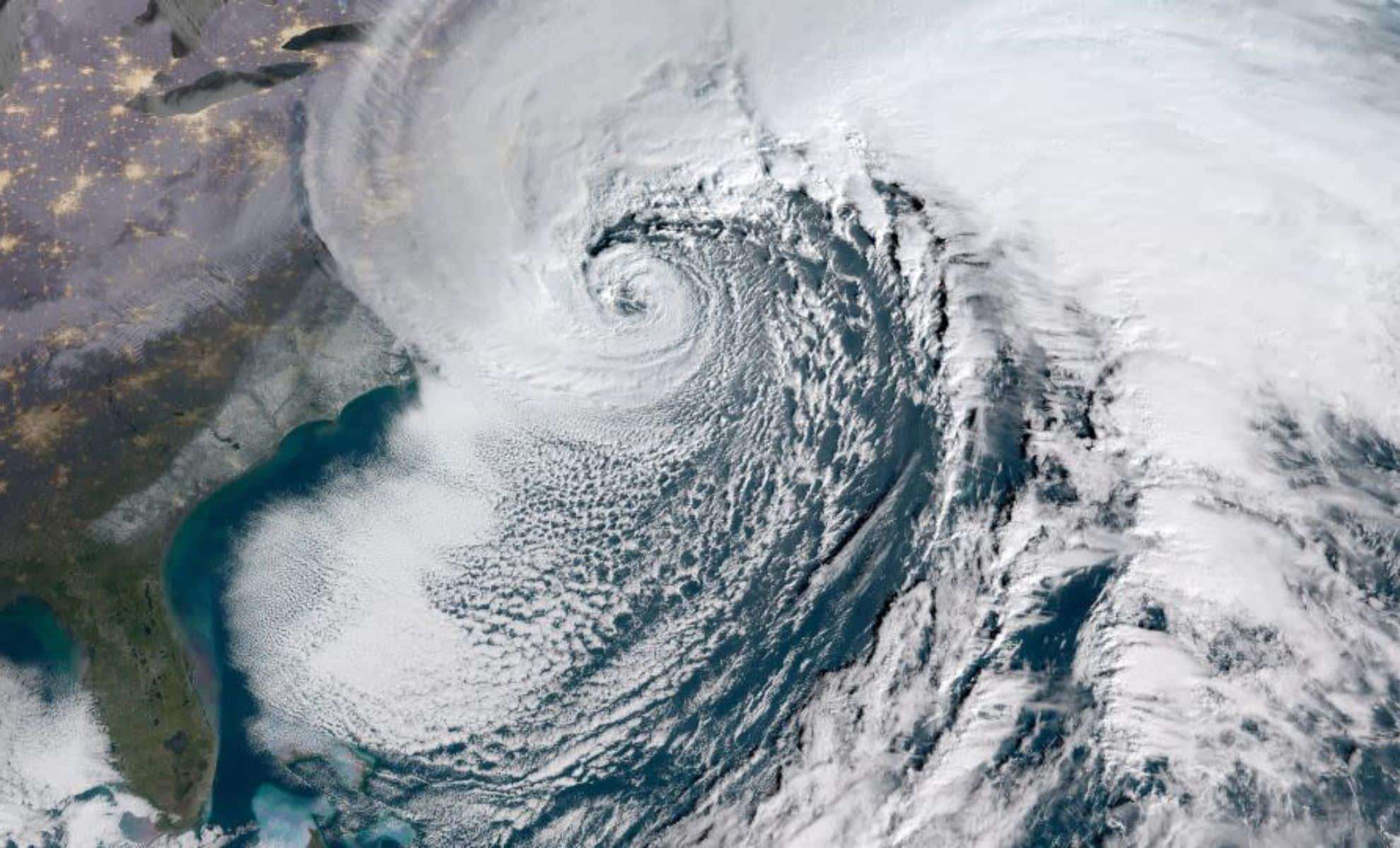
A recent publication offers concerning insights for those living along the East Coast: nor’easters, the intense and often dangerous storms that have historically battered the region, are likely to become stronger due to climate change. Nor’easters are fierce weather events that cause blizzards, heavy rains, and flooding. They form when cold Arctic air meets warmer, moist Atlantic Ocean air.
Climate Change’s Role in Amplifying Nor’easters
Nor’easters have long posed a significant hazard to the Eastern U.S., with some storms achieving notorious status due to their extreme impact. Notably, the “Storm of the Century” in 1993 resulted in over 200 fatalities and extensive damage. The 2010 event known as “Snowmageddon” also led to heavy snowfall and disruption, resulting in 41 deaths.
Michael Mann, a climate expert at the University of Pennsylvania, highlights that climate change is a key factor in enhancing the intensity of these storms. His study finds that although the total number of nor’easters may decline in a warming world, their strength is expected to rise.

The research reviewed nor’easter data spanning 1940 to 2025 and identified a 6% increase in peak wind speeds among the most severe storms. While this change appears small, it substantially escalates the storm's destructive force. The scientists note that a 6% rise in wind speeds equates to about a 20% increase in potential damage.
Increasing Precipitation Enhances Storm Impact
The analysis also shows a roughly 10% rise in precipitation during these events. This is linked to warming ocean temperatures and atmospheric conditions that enhance evaporation, leading to more moisture and, consequently, heavier snowfall and rain. These intensified precipitation levels greatly elevate the risks posed by nor’easters.
Mann emphasizes that recognizing the growing threat of these storms is essential, particularly for vulnerable coastal regions facing flood hazards. “Nor’easters have been somewhat overlooked, which adds to the coastal risks we’re seeing now,” he said. As these storms gather more moisture and strength, coastal flooding is likely to become more severe.
Heavy Toll on Economy and Society
The financial repercussions from such storms can be immense. For example, the 1962 “Ash Wednesday” storm inflicted widespread destruction along the East Coast, with damage costs now estimated in the tens of billions of dollars. The losses caused by nor’easters can rival those of significant hurricanes, pointing to an urgent need for improved readiness.
Given the escalating threat, experts stress the importance of proactive measures. Jennifer Francis, senior scientist at the Woodwell Climate Research Center, urges early preparation: “Communities along the Northeast coast where nor’easters strike must pay attention… taking action beforehand is more cost-effective than rebuilding after the fact.”
The study’s conclusions highlight a vital change in how we must approach preparedness for future storms. Despite future warming and shorter snow seasons, extreme cold spells and heavy snowfalls will still occur, often with greater intensity. As Mann summarizes, “Individual storms are likely to become more powerful” even as global temperatures rise.
- Categories:
- News













0 comments
Sign in to Comment