
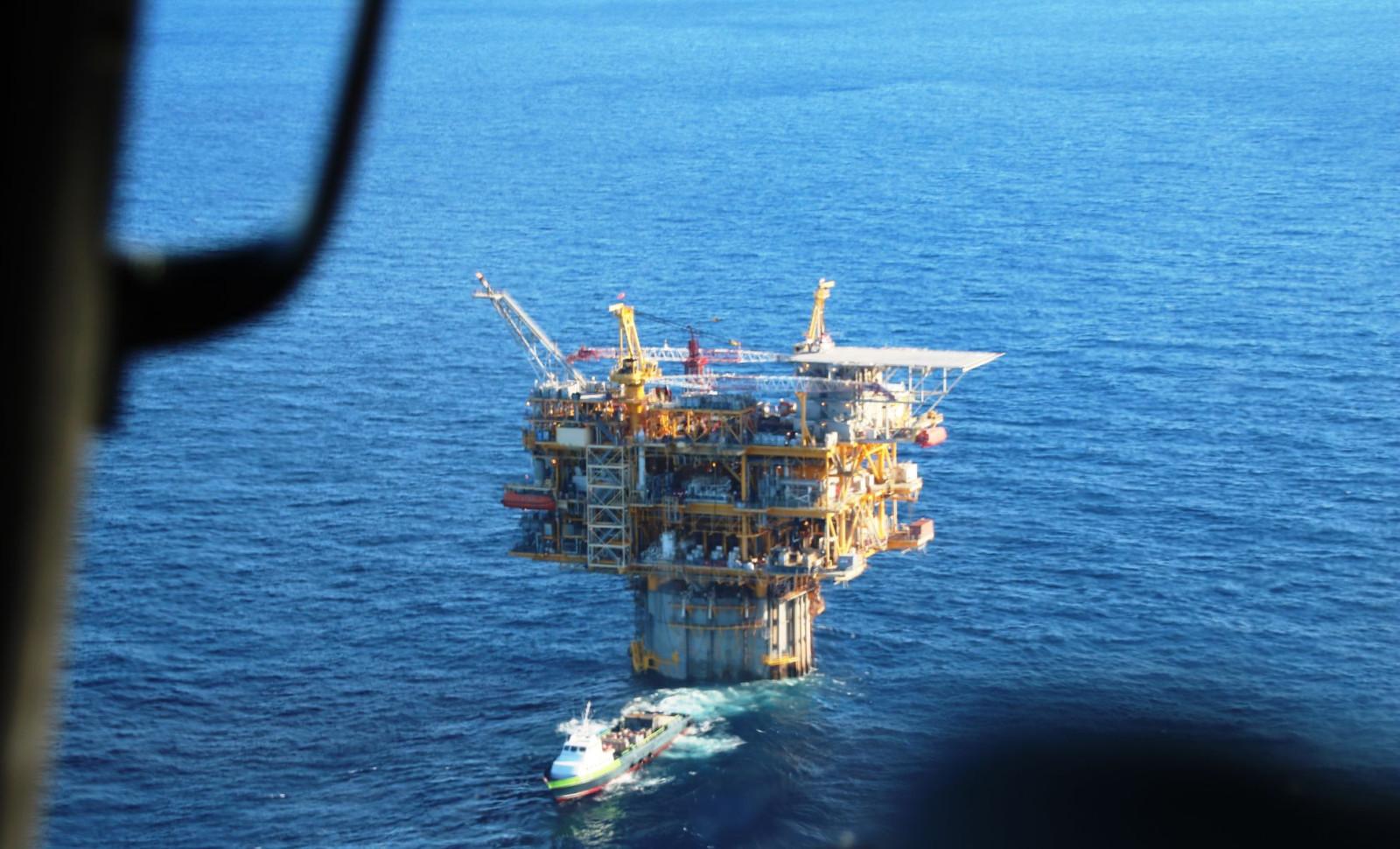
China has unveiled an extensive floating research platform, dubbed the “open-sea floating island”, engineered for nonstop operation in challenging oceanic conditions. This innovative structure is crafted to facilitate extensive scientific projects and deep-sea investigations, marking a significant move toward permanent offshore research setups.
Created by Shanghai Jiao Tong University (SJTU), this platform addresses a common hurdle in marine science. Current research vessels and lab facilities often can’t simultaneously offer mobility and long-term offshore presence, especially when tackling heavy equipment and extreme maritime environments.
A Comprehensive Network Connecting Ocean and Land
This floating laboratory forms a key component of an integrated system featuring a semi-submersible platform, laboratories aboard ships, and support facilities on land. This arrangement allows seamless collaboration between offshore experiments and shore-based data processing.

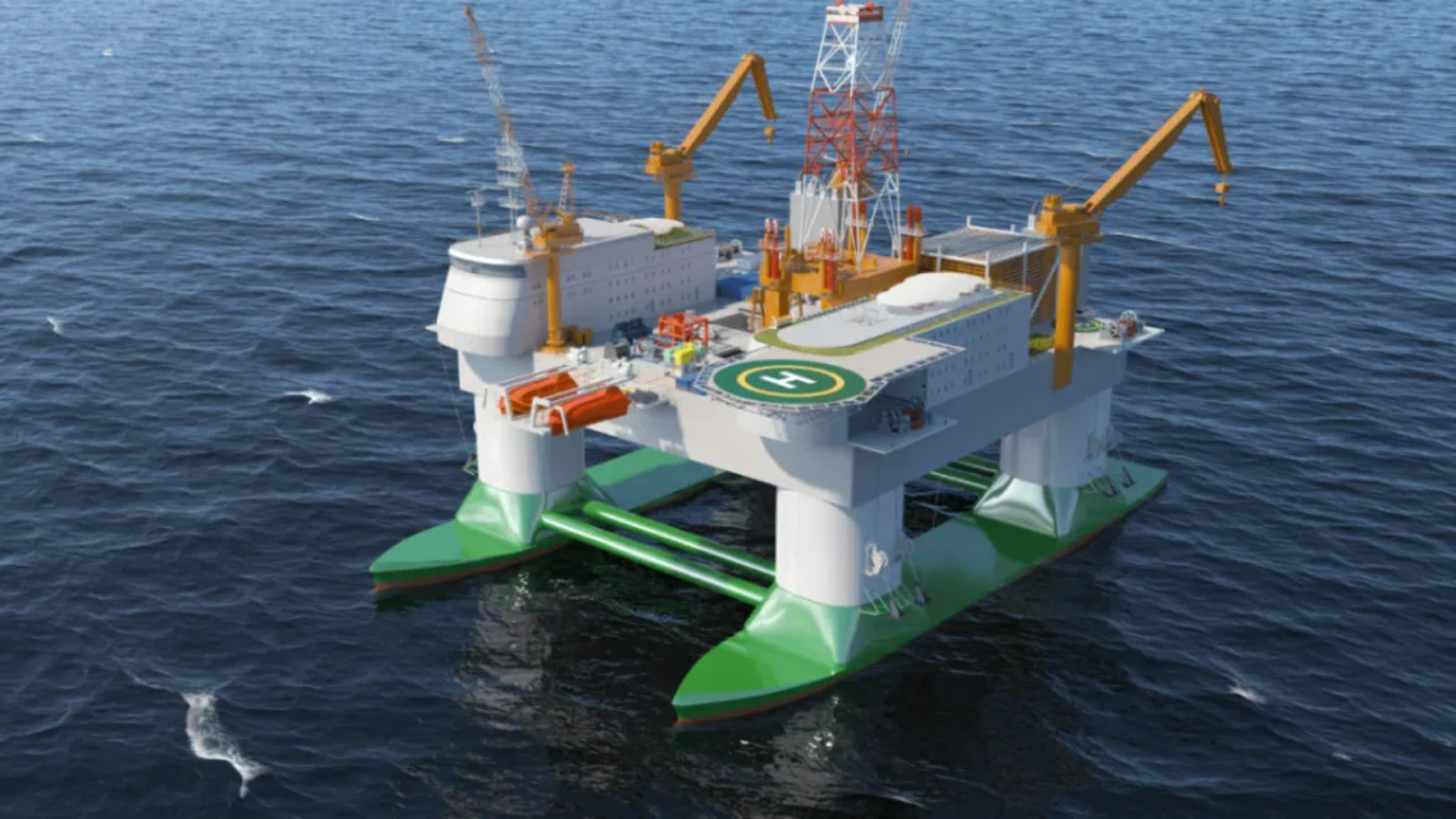
According to Interesting Engineering, the main platform’s twin-hull semi-submersible construction guarantees steady performance amid turbulent seas. This design enables it to carry and test equipment weighing hundreds of tons without compromising stability.
A report from Chinese media highlighted that the platform is capable of operating at depths reaching 32,800 feet (10,000 meters), fully encompassing the ocean’s depth range. This opens opportunities for hands-on testing of technologies in true deep-sea circumstances rather than relying solely on simulations or shallow trials.
A Center for Innovation and Deep Ocean Exploration
This platform is set to become a testing hub for deep-ocean mining technologies, marine devices, and offshore hydrocarbon extraction systems. Conducting trials directly at sea allows engineers to assess functionality under authentic conditions.
Additionally, the facility will facilitate research on marine biology, examining ecosystem dynamics over time and across seasons. It could also advance studies into the origins and development of life by accessing extreme underwater habitats.
Designed for Mobility and Long-Term Operation
A standout characteristic of this platform is its dual capability to navigate like a ship and then anchor securely for prolonged scientific work. Researcher Yang Jianmin from SJTU explains that it can rapidly relocate to targeted zones before stabilizing using advanced ballasting technology.
Once positioned, the structure boasts significant load-bearing ability and resilience against harsh weather, including typhoons. This robustness ensures continuous research missions even when conventional platforms must withdraw. Scheduled for completion by 2030, this initiative promises to expand oceanographic research capabilities far beyond coastal regions, enabling extended sea-based investigations.
- Categories:
- Science










0 comments
Sign in to Comment