
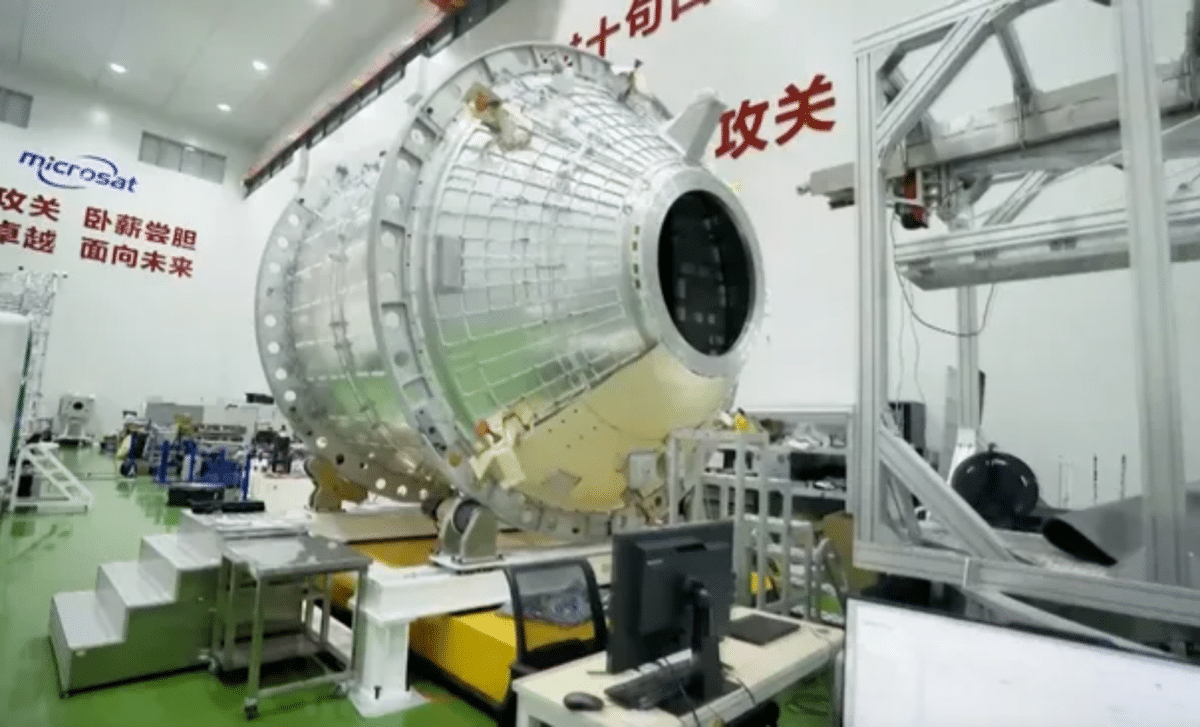
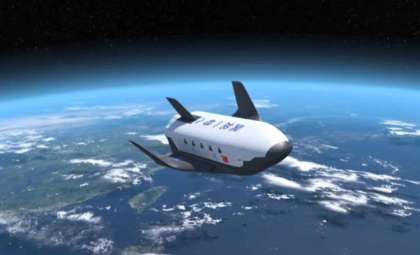
China has introduced Qingzhou, an advanced cargo spacecraft engineered to improve resupply missions for the Tiangong Space Station, as reported by CCTV. This new vessel signifies a substantial upgrade in automation, operational efficiency, and mission capabilities, reflecting China's expanding aspirations in space logistics.
Enhancing China’s Space Resupply Infrastructure
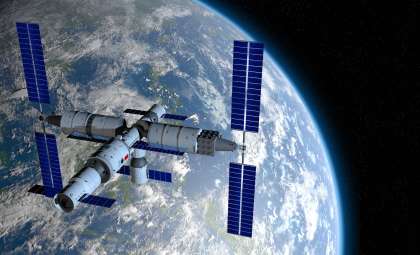
The Qingzhou spacecraft is designed to succeed the Tianzhou series, which has supported cargo deliveries to Tiangong since 2017. The upcoming model aims to increase cargo capacity, offer greater orbital maneuverability, and bolster sustained mission durations for the continuously inhabited station.
In contrast to its predecessors, Qingzhou incorporates higher levels of automation, trials for reusability, and enhanced docking technology. According to China’s state media, engineers have prioritized next-generation onboard systems that reduce human involvement during critical phases of flight.

“We have now conducted large-scale experiments and are currently loading and verifying the status of the remaining individual machines, as well as conducting final testing. The overall test results are quite good,” Wu Huiying, deputy chief designer of the Qingzhou cargo spacecraft, told CCTV.
Wu’s comments imply the project is approaching its concluding pre-launch preparations, a stage that includes thorough subsystem validation and rigorous environmental testing. These measures are critical to guaranteeing Qingzhou's smooth performance during its inaugural flight, particularly given the craft’s added complexity.
Designed for Future Lunar and Deep-Space Cargo Missions
Besides supporting Tiangong, Qingzhou is intended as a stepping stone for upcoming lunar orbital logistics and deep space supply tasks. Its modular framework may eventually enable missions connected to China’s envisioned lunar base or crewed lunar expeditions planned for the 2030s.
CCTV reports indicate that Qingzhou’s fuel efficiency, docking mechanisms, and cargo handling systems have been redesigned to accommodate heavier payloads while optimizing fuel usage. This makes the spacecraft a flexible asset capable of supporting both low Earth orbit missions and longer-range operations.
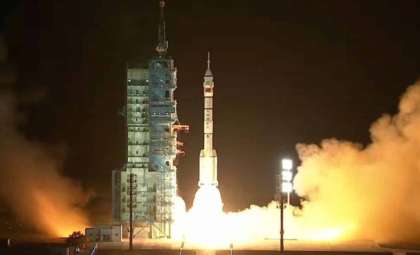
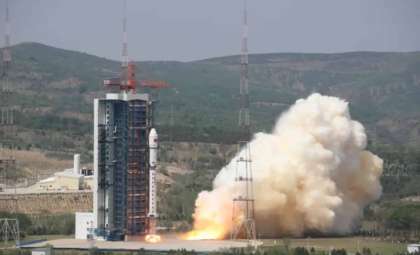
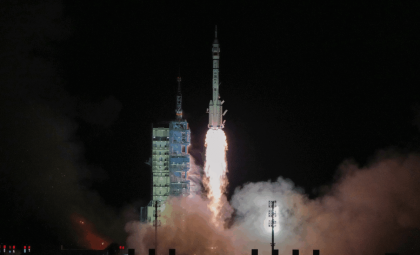
Although there is no official announcement concerning the timing of its first launch, experts predict that the initial flight of Qingzhou will take place within the next couple of years, likely atop a Long March 7 rocket launching from the Wenchang Space Launch Center on Hainan Island. This event would signify a key milestone for China’s orbital logistics capabilities, positioning it alongside NASA’s Cygnus and SpaceX’s Dragon supply vehicles.
Transforming Orbital Support and Sustainability
The development of Qingzhou highlights China's ongoing efforts to advance its space operations by emphasizing efficiency, reusability, and autonomy. Successive versions of its cargo spacecraft have introduced improvements aimed at shortening mission turnaround times and enhancing the precision of delivery.
If deployed successfully, Qingzhou could shorten intervals between flights, better sustain long-term crewed missions, and enable innovative in-orbit servicing techniques that may make Tiangong a highly autonomous station.
This initiative also represents a broader shift in the space industry, moving away from single-use designs towards systems centered on sustainability and scalability. With Qingzhou approaching the finish line of its testing phase, China’s plans for space logistics are increasingly aligned with its strategic objectives in human spaceflight and lunar exploration.
- Categories:
- News







0 comments
Sign in to Comment