
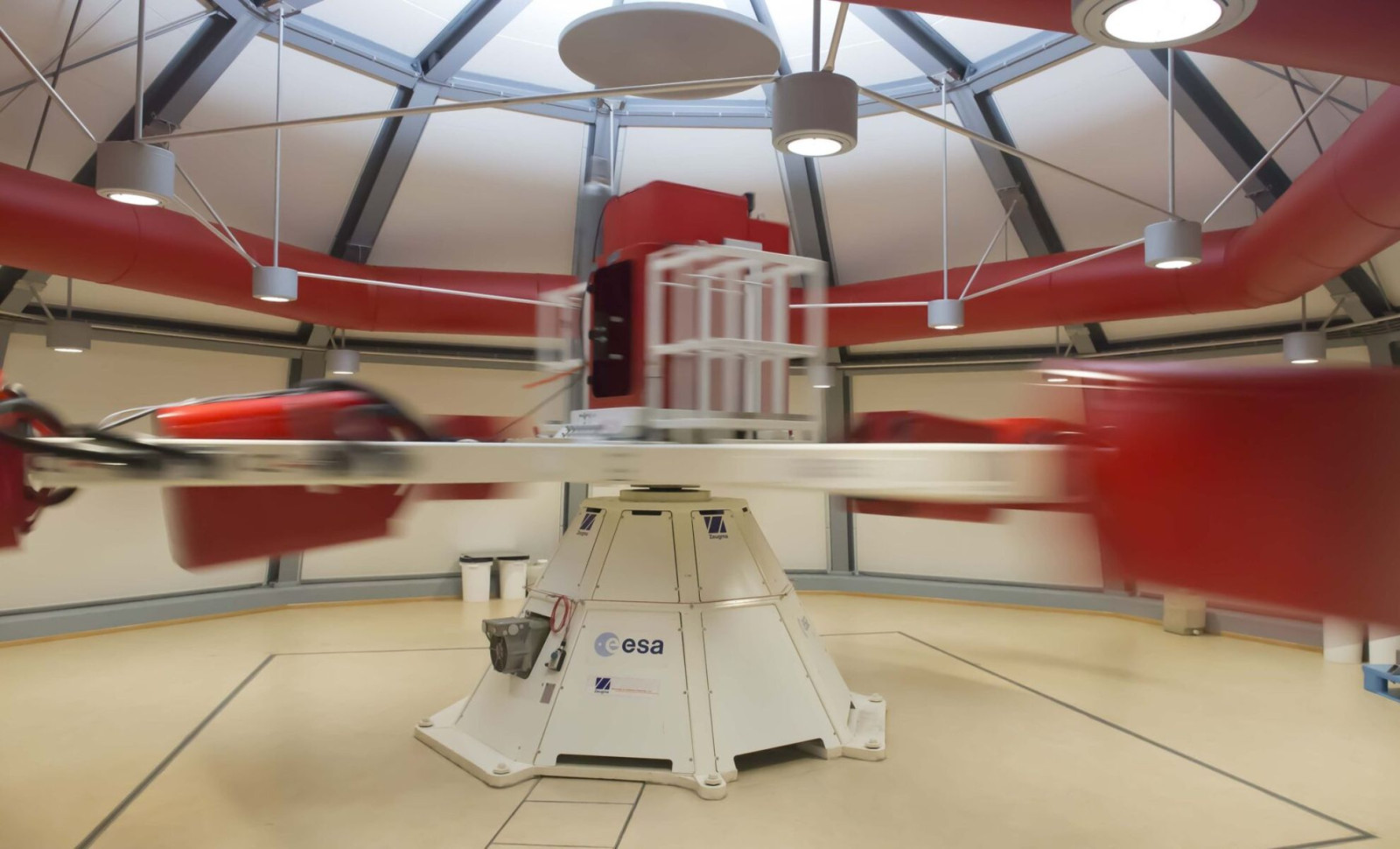
China has unveiled an extraordinary hypergravity device that can simulate gravitational forces far exceeding those on Earth. This advanced centrifuge, named CHIEF1900, is installed within the Centrifugal Hypergravity and Interdisciplinary Experiment Facility (CHIEF) below Zhejiang University in Hangzhou. It allows scientists to accelerate and explore phenomena related to natural disasters, climate dynamics, and biological endurance in unprecedented ways. Capable of producing gravitational forces reaching up to 1,900 G-tons, this machine marks a significant leap in experimental research capabilities.
Advanced Hypergravity Engineering Breakthrough
The CHIEF1900 centrifuge ranks among the most powerful rotating accelerators worldwide, combining immense power with precise control. According to Dan Wilson, Associate Director at UC Davis' Center for Geotechnical Modeling, this device can recreate gravity levels hundreds of times Earth's normal pull, far surpassing usual gravitational norms. The machine functions by spinning large radial arms, causing centrifugal acceleration that simulates the immense gravitational pressures found within massive planets, Earth's interior, or in outer space. What distinguishes CHIEF1900 from earlier machines is its ability to emulate such conditions on a much larger scale, facilitating experiments that were previously impossible.
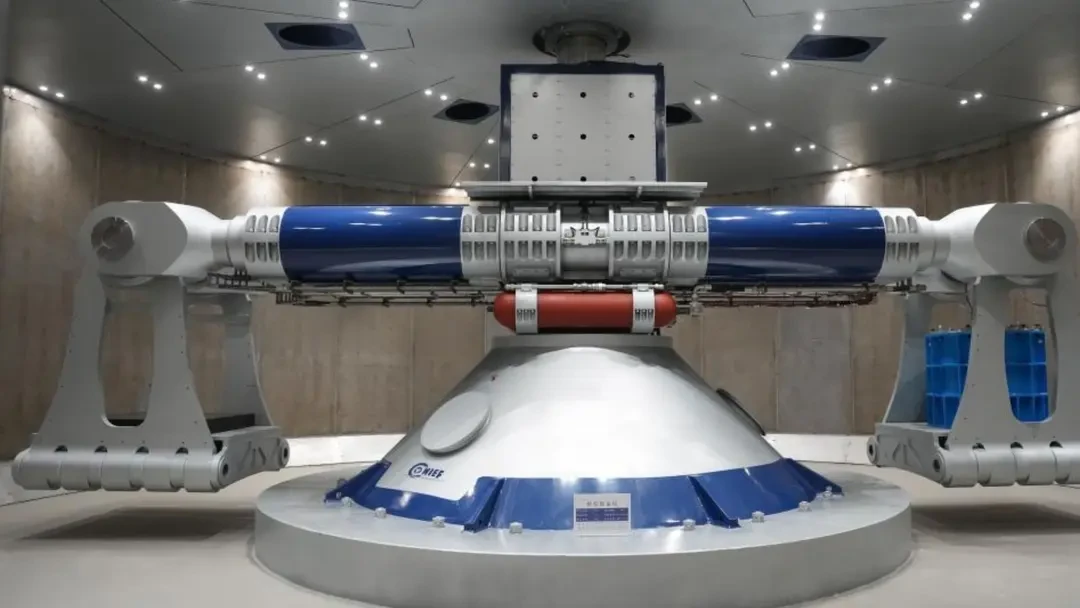
As Popular Mechanics details, the centrifuge's arms spin at incredible speeds, generating forces that scientists can finely tune to avoid damaging vibrations. By recreating these harsh conditions, the device enables the study of how structures, materials, and organisms respond to extreme stress. From testing large civil engineering models to understanding the effects of intense gravity on microscopic life, CHIEF1900 offers unparalleled experimental precision.

Transforming Disaster Prediction Research
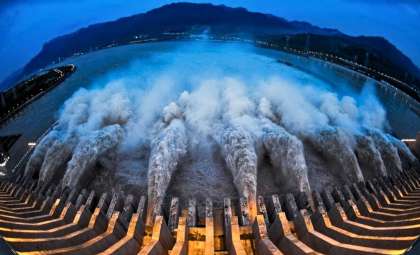
With climate change, seismic events, and other disaster risks escalating worldwide, this hypergravity centrifuge provides a unique method to advance prediction models and accelerate research. Wilson emphasizes the centrifuge’s capability to replicate the impact of earthquakes, storms, and environmental shifts on buildings and natural systems, revolutionizing how scientists forecast structural failures. Researchers can test scale replicas of bridges, dams, and other infrastructure by subjecting them to extraordinary gravitational stress, simulating real-life disaster effects more accurately.
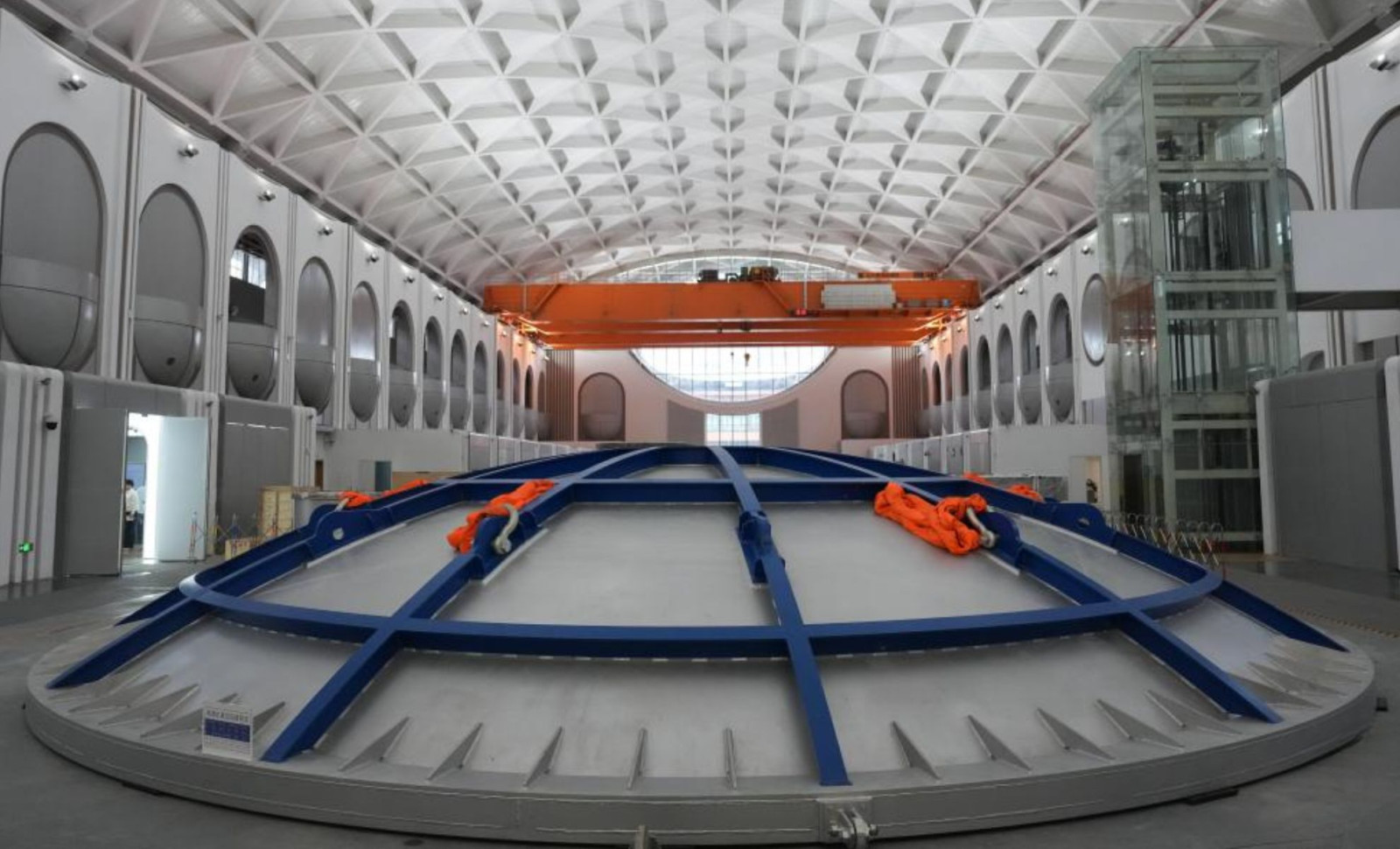
Additionally, CHIEF1900 accelerates climate change experiments, condensing processes that usually unfold over years into significantly shorter periods.
“Expanding capabilities will also help us build societal resilience to climate-affected processes such as debris flows and wildfires, creating new opportunities among a wide range of scientific questions,” he said.
Advancing Material Science with Extreme Gravity Simulations
This centrifuge’s capacity to replicate intense gravitational environments paves the way for developing new materials designed for aerospace, deep ocean missions, and more. Subjecting materials to hypergravity reveals unique stress behaviors, helping scientists better assess durability and applicability in hazardous conditions.
For instance, CHIEF1900 can mimic pressures similar to those at the ocean floor or deep beneath Earth's crust, a valuable asset for assessing materials used in mining, drilling, and subterranean construction. It also supports the creation of robust alloys capable of enduring extreme environments, essential for future space exploration and demanding terrestrial applications.
- Categories:
- Physics






0 comments
Sign in to Comment