
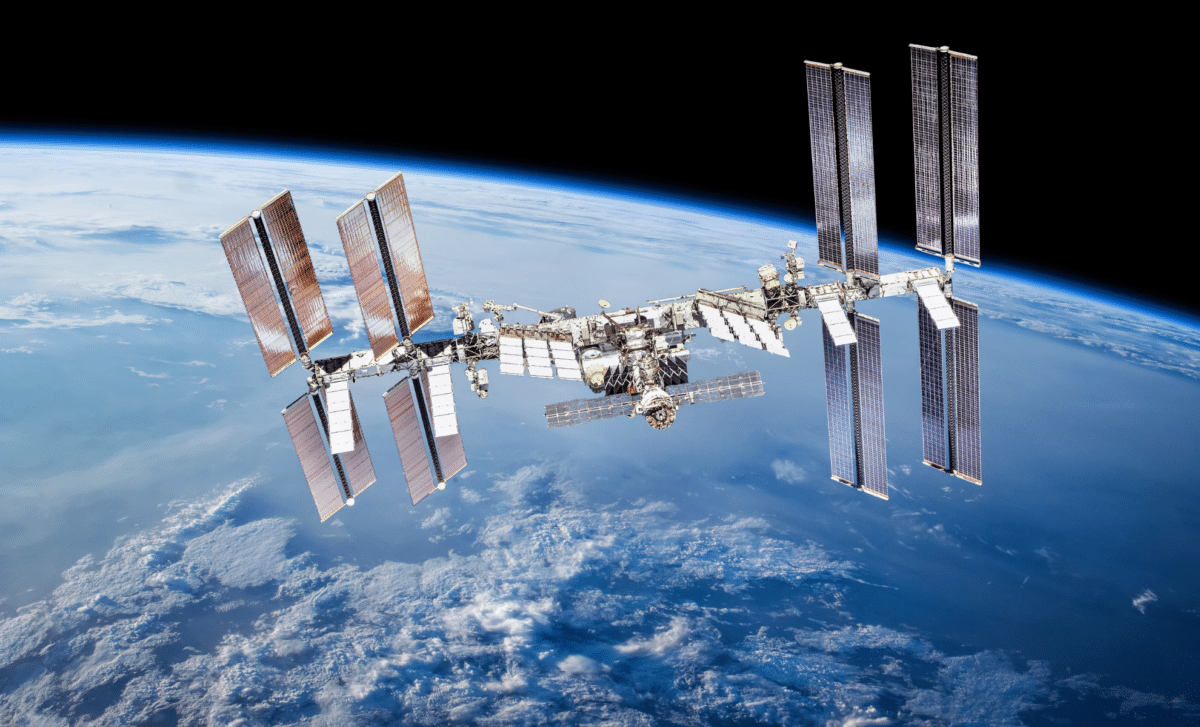
In 2026, commercial space stations will begin operations, signaling a transformative phase in space exploration. For nearly 30 years, the International Space Station (ISS) has served as the primary hub for astronauts and research in low Earth orbit. As NASA plans to retire the ISS by the decade's end, private enterprises are gearing up to take over. These commercial habitats, years in the making, aim to redefine orbital research and human presence in space.
The Emergence of Private Space Habitats
Commercial space stations are poised to debut in 2026, reshaping the framework of orbital exploration. The ISS has long been the only platform in low Earth orbit facilitating international collaboration and scientific studies.
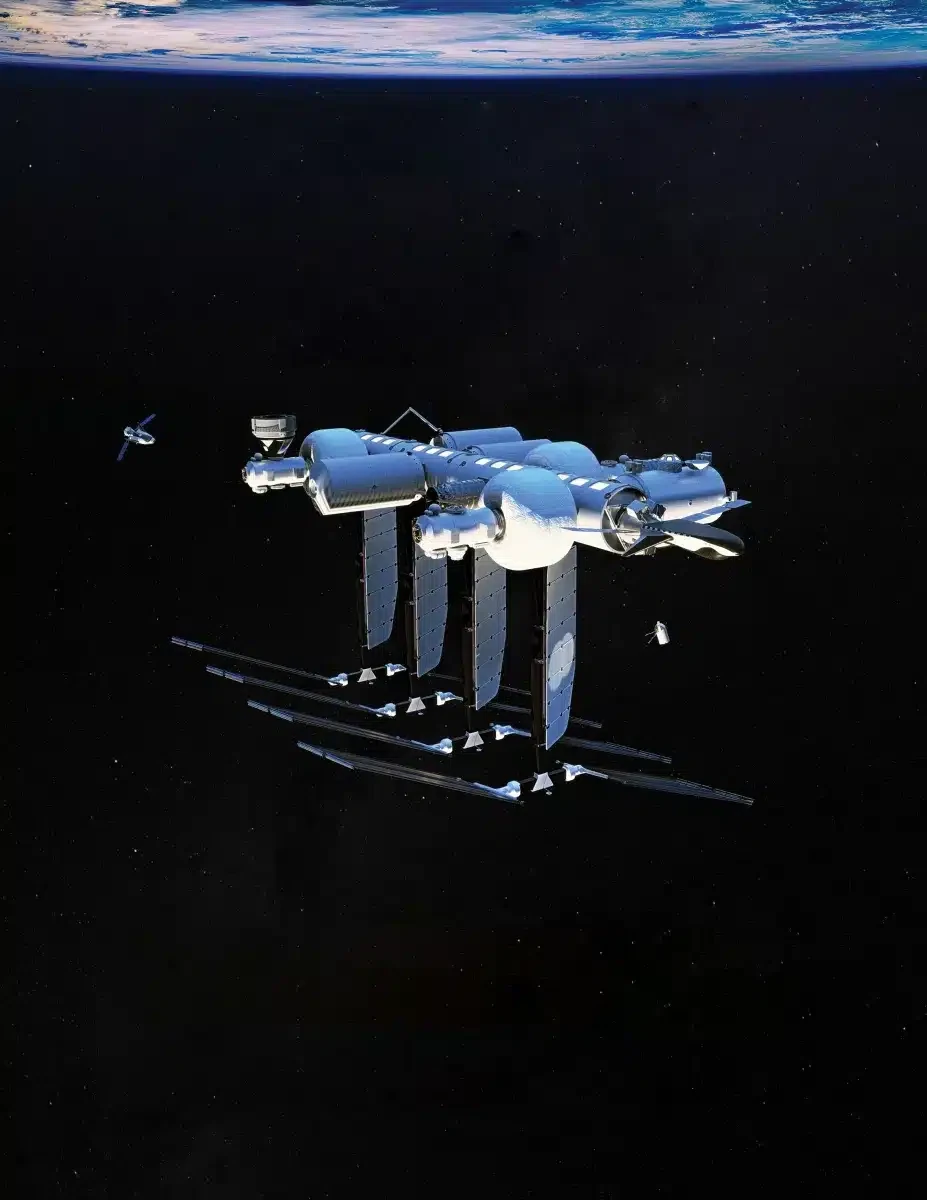
As the ISS approaches its operational conclusion, NASA is shifting its focus beyond low Earth orbit, creating opportunities for private sector involvement. Mary Guenther, space policy lead at the Progressive Policy Institute, highlights this critical shift, noting,

“These have been in development for a number of years now, mostly in partnership with NASA, and 2026 is really going to be the start of hardware flying.”
This transition marks a major evolution in spaceflight, with private companies assuming greater responsibility over space station operations.
Although the ISS will continue its missions for several more years, these new commercial stations are designed to take over critical roles such as crew accommodation and scientific experiments. This change aligns with NASA’s broader goals to advance human exploration deeper into the solar system, particularly through Artemis missions targeting lunar and Martian exploration.
Companies like SpaceX, Blue Origin, and others are driving this movement, potentially making orbital operations more affordable and sustainable via private platforms.
Commercial Space Stations and Their Economic Promise
The entrance of commercial space stations carries significant economic potential. Private corporations are pioneering new business frameworks that could democratize access to space. Colin Smith, CEO of Vast, comments on the urgency behind this shift:
“I think everybody, Vast included, is driving towards 2030. The ISS is coming down at the end of 2030, so people are looking at their calendars going: ‘Uh-oh, it’s 2025, we should do something.’”
This growing sense of necessity underscores the viewpoint that outer space is opening to private industry, not just government agencies.
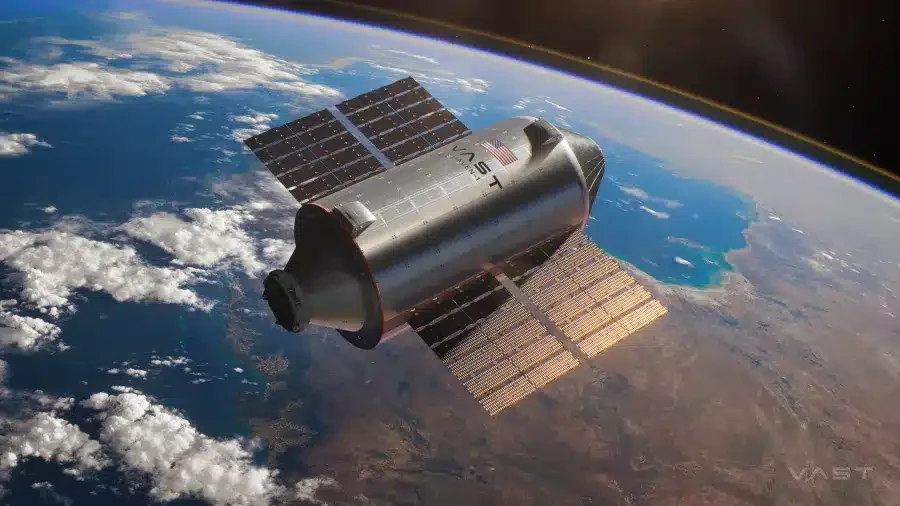
Vast's ambitions extend far beyond current milestones.
“The ISS is the most expensive thing that humanity has ever built. It has just been a bonkers amount of money, and we are not going to attain a future with space commerce, space manufacturing, with people living and working in space, if it costs $150 billion to house seven people,” Smith explains.
The immense cost of the ISS model is unsustainable, and commercial platforms are expected to present more economical options. By cutting expenses and enhancing efficiency, these stations may pave the way for emerging space-based industries like microgravity manufacturing and orbital tourism.
NASA's Transition Toward Private Space Operations
According to New Scientist, NASA is pivoting towards deep space exploration while entrusting low Earth orbit activities to private enterprises. This strategy facilitates the handover of orbital infrastructure management to commercial firms, enabling NASA to dedicate resources to NASA's Moon and Mars ambitions. Mary Guenther remarks,
“It’s time for NASA to go further and do things that we’ve never done before, while leaving the rest – in this case, space stations in low Earth orbit – to commercial capabilities.”
This approach aims to foster industry innovation and competition, promoting a sustainable and evolving space economy.
NASA’s growing reliance on private sectors is demonstrated by collaborations with companies such as SpaceX, which transports astronauts and supplies to the ISS. As private stations begin operating, NASA is expected to assume more of a facilitator role in orbital infrastructure.
Commercial Space Stations as Foundations for Human Expansion
The arrival of commercial space stations transcends merely replacing the ISS. It represents a crucial step in humanity’s eventual expansion beyond Earth. As corporations prepare their facilities, they are laying the infrastructure for a future with extensive human activity in space. Colin Smith from Vast expresses this aspiration: “Our long-term goal is getting millions of people living and working in space, and everything else is working out the stepping stones we need to get to that point.” These initial commercial outposts will be vital testing sites for technologies required for establishing permanent lunar or Martian settlements.
Living and working in orbit could revolutionize many sectors, from pharmaceutical research to material sciences, due to the unique microgravity environment. Additionally, space tourism may flourish, transforming stations into hubs for both scientific investigations and recreational travel, stimulating a nascent space economy.
- Categories:
- Space








0 comments
Sign in to Comment