
João Pedro de Magalhães, a molecular biogerontologist at the University of Birmingham, challenges conventional ideas about aging by proposing that humans might biologically be capable of reaching lifespans of 1,000 years or more. However, this potential is hindered by evolutionary changes linked to the era when dinosaurs ruled the Earth.
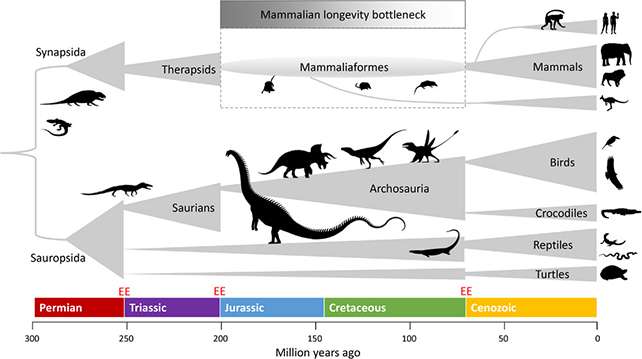
In a paper released in BioEssays, de Magalhães introduces the "longevity bottleneck" hypothesis. His research suggests that early mammals faced extreme evolutionary pressure to reproduce rapidly and stay alive during the dominance of dinosaurs. This pressure may have caused them to lose certain genetic traits important for extended lifespans—a legacy that persists in mammals, including humans.
He states, “Early mammals adapted by living low in the food chain, prioritizing quick reproduction for survival.” This adaptation, he argues, fundamentally transformed how aging unfolds in mammals today.

Genetic Losses Linked to Accelerated Aging
A key part of de Magalhães’s theory centers on the disappearance of enzymes responsible for repairing ultraviolet (UV) damage, such as photolyases. These enzymes are missing in most mammals and likely vanished from the genome during the dinosaur period. Early mammals, adopting nocturnal lifestyles to evade predation, reduced their exposure to UV light—and consequently, the necessity for these DNA repair enzymes—resulting in the loss of this vital protection.
“This represents a natural loss of a DNA repair and restoration system that we would have otherwise retained,” de Magalhães explains. Although this theory remains speculative, it raises the intriguing possibility that humans might live far longer if these repair capabilities were still present.
He further draws comparisons to other animals. Some reptiles, like alligators, continuously regenerate teeth—a capacity humans lack—indicating evolutionary compromises that favored rapid development over longevity. Such trends hint at multiple regenerative attributes lost throughout mammalian evolution.
Exceptional Long-Lived Mammals Highlight What’s Possible
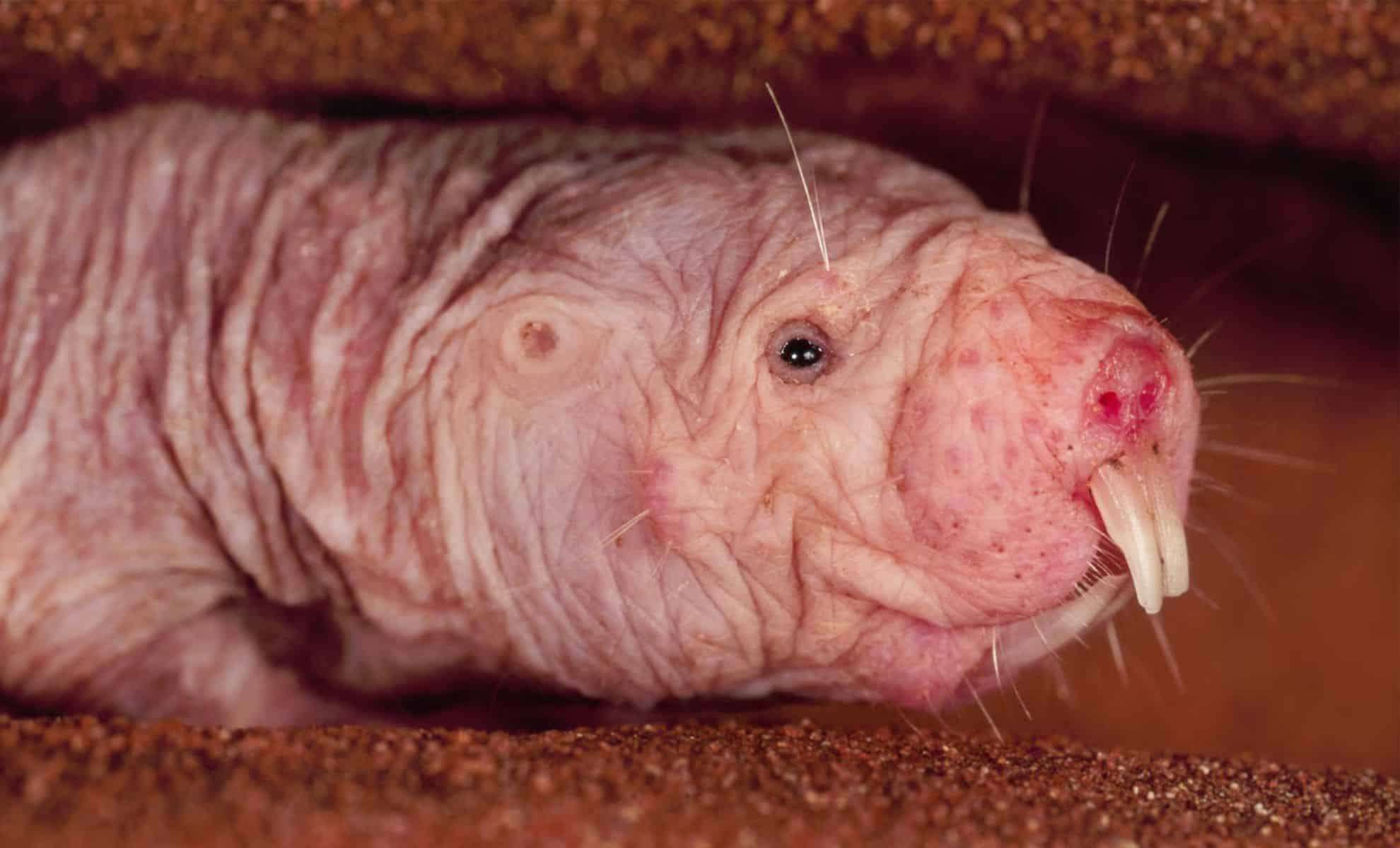
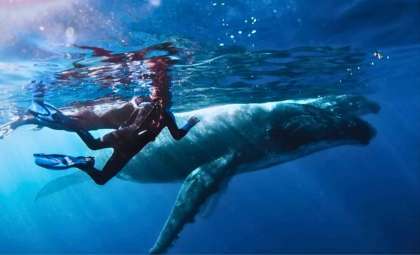
Despite these evolutionary limitations, certain mammals still achieve remarkable lifespans. De Magalhães focuses much of his work on long-lived species such as bowhead whales, which can surpass 200 years, and naked mole rats, recognized for their exceptional resistance to cancer and cellular aging.
These species provide genetic insights that could guide efforts to extend human life. For example, bowhead whales demonstrate superior DNA repair abilities compared to humans, potentially helping them avoid aging-related diseases. Naked mole rats exhibit distinct cellular traits that seem to block many common age-associated disorders.
De Magalhães suggests that unlocking these biological mechanisms might one day enable us to slow or even reverse aging processes in humans. “Our goal is to understand how to repair DNA and reprogram cells to fundamentally transform aging,” he remarked to ScienceAlert.
The Path Forward: Aging as a Treatable Condition
Drawing parallels with diseases once deemed incurable, de Magalhães points out that conditions like pneumonia, which took lives a century ago, can now be treated effectively with antibiotics like penicillin.
His vision is that aging could become similarly manageable by targeting its underlying biology. One promising compound is rapamycin, which is currently used to prevent organ transplant rejection and has shown the ability to extend mammals’ lifespans by up to 15 percent in studies. Researchers are actively investigating its potential for broader anti-aging applications.
“I’m hopeful,” de Magalhães commented. “Future medications might be as common as statins, prescribed not for cholesterol but to promote longevity.” Even modest reductions in aging rates—by 5 to 10 percent—could profoundly benefit public health by delaying diseases such as dementia, stroke, and cancer.
- Categories:
- Science







0 comments
Sign in to Comment