
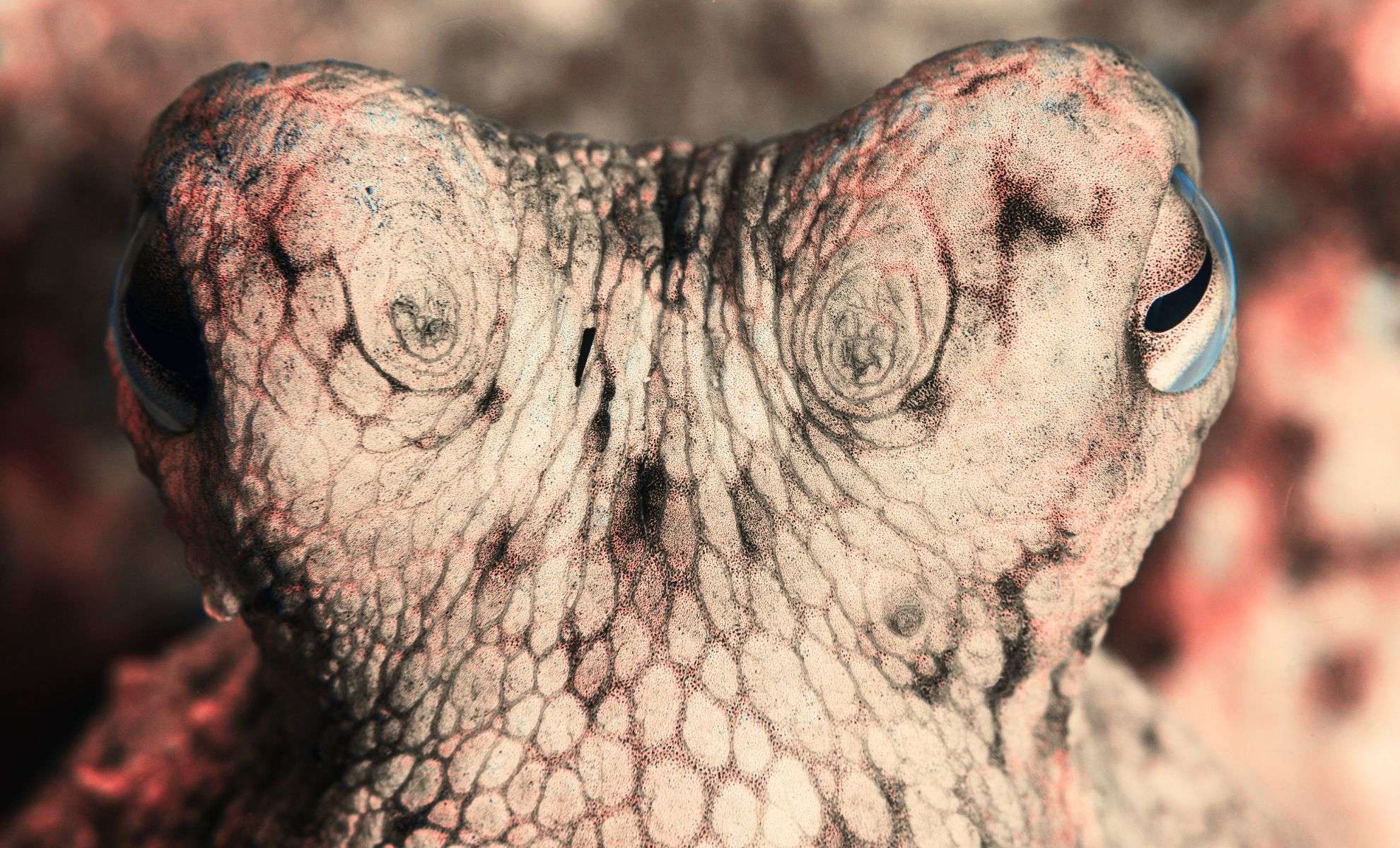
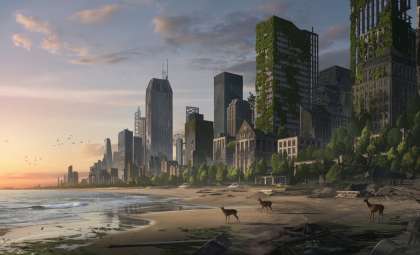
Envision a future where humanity no longer controls Earth, leaving cities and human-made structures abandoned as nature reclaims the land. In this altered landscape, one might wonder which life form will ascend to become the planet’s new dominant presence. Unexpectedly, the prime candidate is not a mammal but a fascinating marine creature: the octopus.
Octopuses: The Ocean’s Intellectual Powerhouses
Often underrated in intelligence debates, octopuses showcase cognitive capacities rivaling those of certain mammals. They display exceptional problem-solving talents, evident in behaviors such as unlocking jars, wielding tools, and slipping out of confinements—demonstrating complex thought processes. Professor Tim Coulson from Oxford University remarks, “Their intelligence ranks among the most sophisticated within the animal kingdom.”
Possessing a complex neural network with approximately 500 million neurons, many of which are distributed through their arms, octopuses can perform tasks simultaneously and independently. This decentralized brain setup is crucial for their flexibility, equipping them to manage several activities at once—a skill that would be invaluable in a human-free environment.


Evolutionary Advantages of Solitary Survival
Distinct from most mammals that depend on intricate social bonds, octopuses thrive as solitary beings. Their capacity to flourish without social collaboration could give them an edge in a world where human influence has vanished. Unlike dolphins and crows, species reliant on social networks, octopuses may better adapt and occupy ecological roles that others cannot.
These cephalopods have demonstrated resilience in a broad range of conditions, from extreme underwater habitats like deep sea trenches to vibrant coastal reefs, and some can even survive out of water for nearly 30 minutes. This durability hints at the intriguing possibility that octopuses might eventually venture onto land, a topic that excites many marine biologists.
Could Octopuses Transition to Terrestrial Life?
Professor Coulson envisions a scenario where octopuses evolve to leave the marine environment behind and explore solid ground. Their exceptional manipulative skills and high intelligence may allow them to construct shelters, utilize tools, and investigate terrestrial territories. While the lack of a skeleton poses locomotion challenges on land, their remarkable adaptability should not be underestimated.
Though the notion of octopuses building urban structures or hunting land animals such as deer seems speculative, it remains a fascinating future possibility. As Coulson highlights, “Imagine a world where these tentacled intellects innovate with tools, create homes, and explore new habitats.” This thought experiment underscores their incredible potential to evolve.
Shortcomings of Other Potential Successors
Although primates, dolphins, and crows rank among the smartest creatures, their reliance on social interactions might hinder their capacity to dominate Earth post-humanity. Social dependence is critical for dolphins and crows, raising concerns about their adaptability without structured groups. The solitary lifestyle and self-sufficient tactics of octopuses may better equip them for survival and growth.
While the idea of octopuses filling the void left by humans might seem far-reaching, it is worth exploring. As Professor Coulson observes, “Earth’s ecosystems would inevitably reshape themselves, giving rise to novel forms of intelligence and complexity.” With their cognitive prowess and adaptability, octopuses may emerge as key players in this unfolding evolutionary story.
- Categories:
- Science




0 comments
Sign in to Comment