
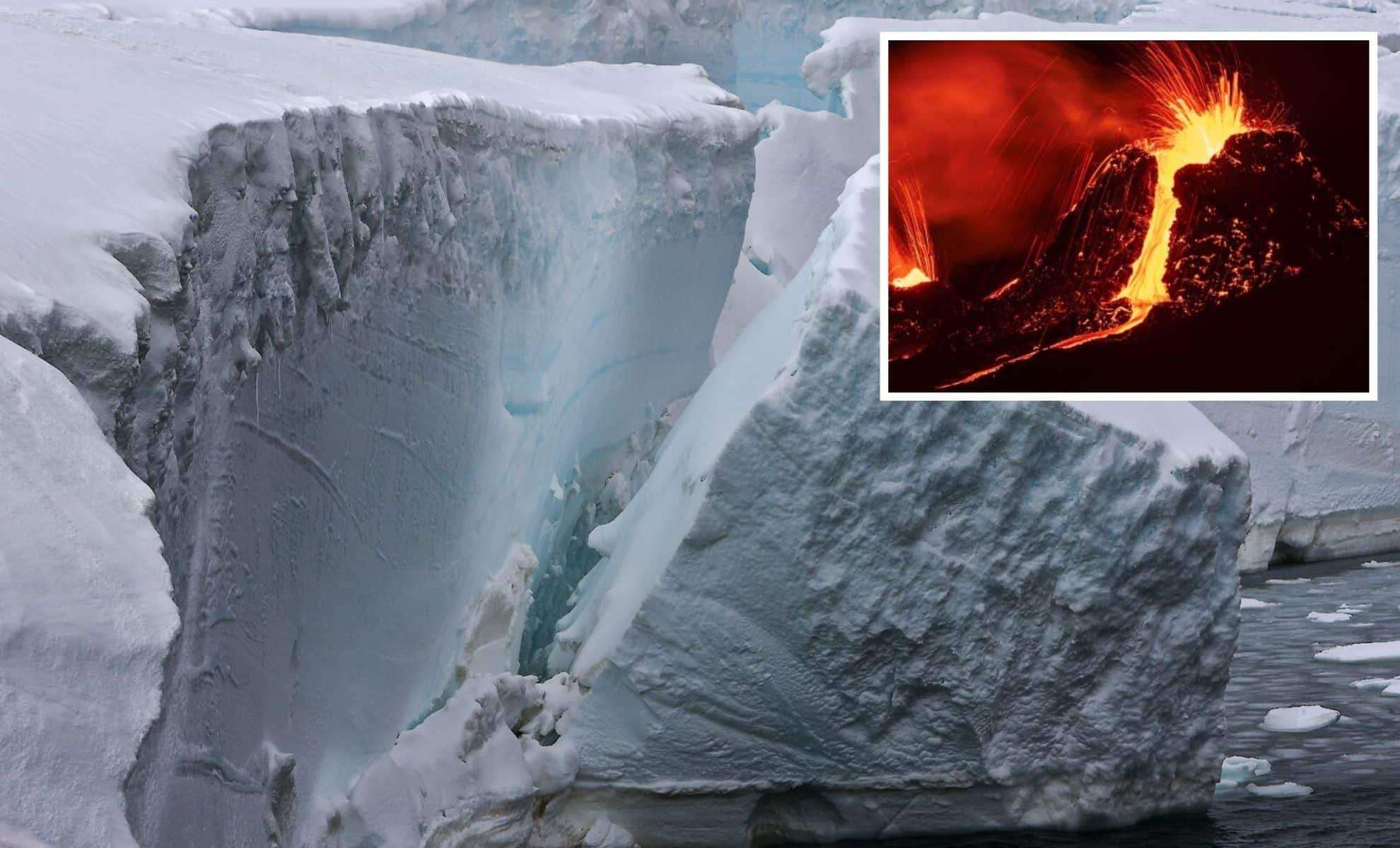
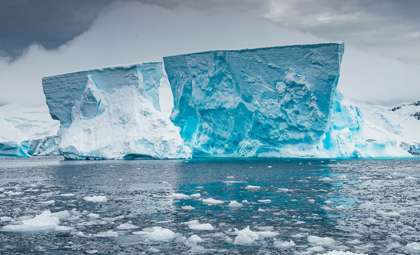
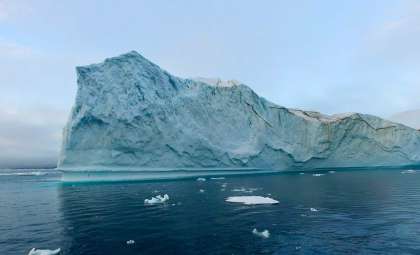
Global warming is rapidly transforming Antarctica, traditionally seen as one of the planet’s most isolated and stable areas. While the focus has largely been on rising sea levels and shrinking ice sheets, emerging studies reveal that these environmental shifts might unleash powerful geological changes beneath the frozen landscape. Hidden beneath Antarctica's icy surface is a network of volcanoes buried deep under several miles of ice.
These volcanoes, primarily dormant but not completely inactive, are part of the West Antarctic Rift System, an active tectonic zone where the relationship between the crust and underground magma depends significantly on the ice's immense weight. As climate change causes the ice to melt more rapidly, this delicate balance may be disrupted. This could trigger a series of volcanic eruptions with serious consequences, impacting the Antarctic environment and influencing global climate and sea level dynamics.
Volcanoes Concealed Beneath the Ice
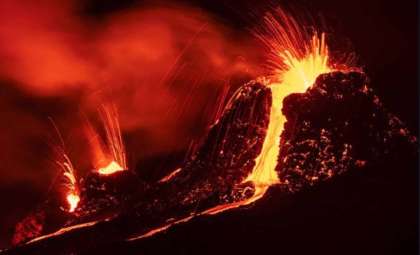
Antarctica appears as a vast expanse of ice, but underneath, it hosts a dynamic volcanic landscape with over 100 identified volcanoes, mostly clustered in the West Antarctic Rift System. While iconic features like Mount Erebus with its persistent lava lake are visible, much of the continent’s volcanic activity lies hidden beneath thick ice sheets.

The immense weight of this ice suppresses volcanic processes by stabilizing magma chambers below. However, with accelerated ice melting, the reduction in pressure may allow magma chambers to expand, heightening the risk of eruptions, according to research led by A. N. Coonin and collaborators.
Modeling the Potential Impacts
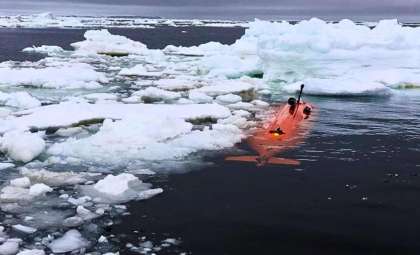
Using 4,000 computer simulations, scientists investigated how diminishing ice coverage affects volcanoes beneath Antarctica’s surface. Published in the journal Geochemistry, Geophysics, Geosystems, their findings reveal that melting ice significantly raises both the frequency and magnitude of volcanic eruptions. This process resembles opening a shaken soda bottle: as the pressure from the ice lifts, gases trapped within the magma rapidly expand and increase eruption chances.
Though these eruptions could remain hidden beneath the ice, they generate heat that melts surrounding ice, further reducing pressure and triggering additional volcanic activity. This amplifying sequence may destabilize ice sheets and accelerate global sea-level rise.
A Dangerous Feedback Cycle
One of the most concerning aspects highlighted by the study is the possibility of a feedback loop, where retreating ice causes volcanic eruptions. These eruptions release heat and gases, promoting even faster ice melt. This ongoing cycle could continue for centuries, further intensifying the effects of human-driven climate change.
Similar processes are believed to have influenced volcanic activity during the last ice age, when Antarctic ice sheets were much thicker. However, today’s rapid ice loss suggests that such feedback could be more severe, potentially defining the region’s geological future.
Implications for the World
The study’s revelations are significant on a global scale. Heat from subglacial volcanic eruptions could undermine Antarctic ice stability, contributing to unpredictable and faster sea-level increases. Additionally, volcanic emissions of carbon dioxide and sulfur dioxide may affect atmospheric chemistry and climate patterns worldwide.
These phenomena could also disrupt ocean circulation systems. Meltwater from Antarctica helps drive global ocean currents that regulate weather and temperature. Enhanced volcanic heat and ice melting could disturb this balance, causing ripple effects on ecosystems and human societies across the globe.
- Categories:
- Climate change



0 comments
Sign in to Comment