
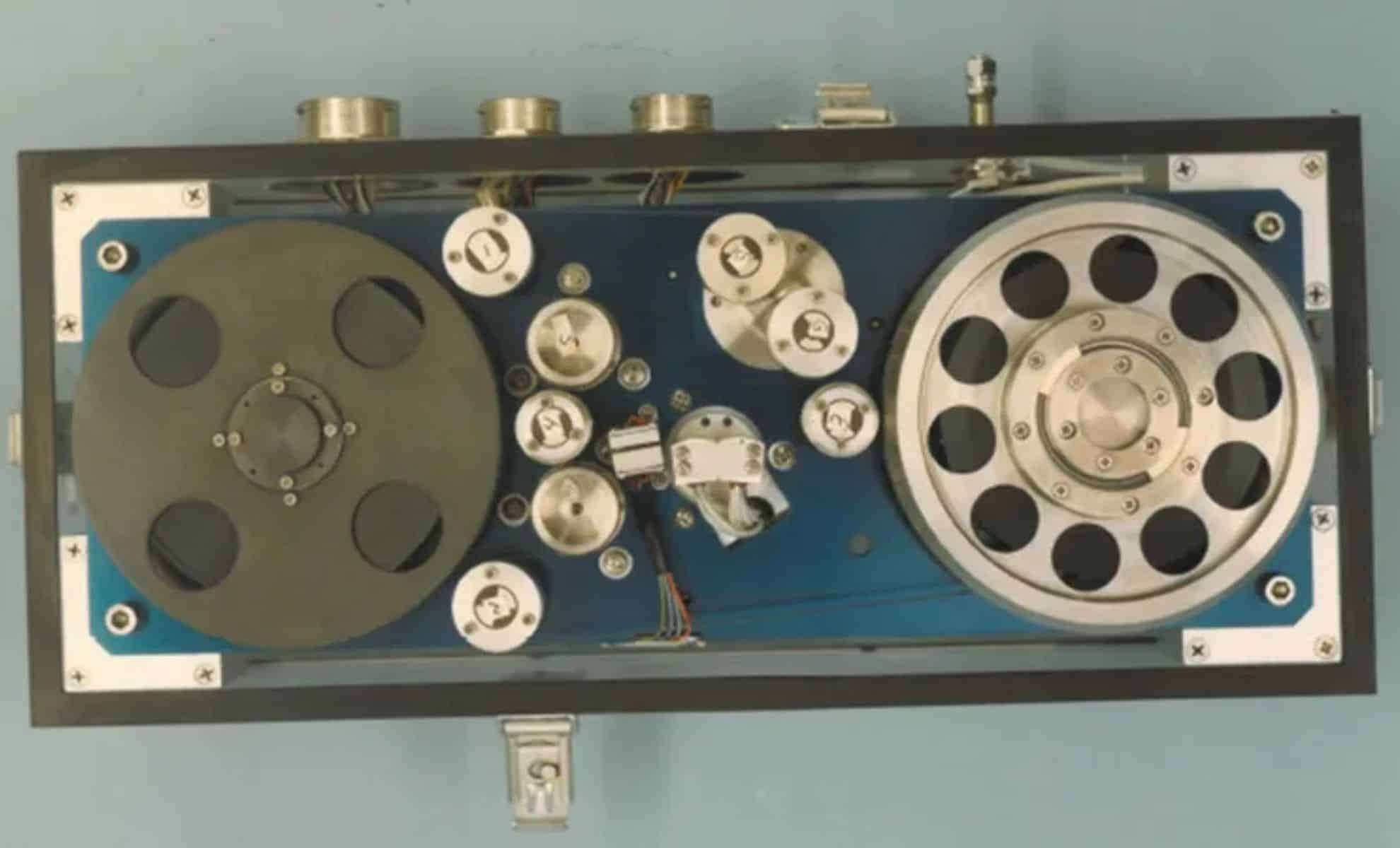
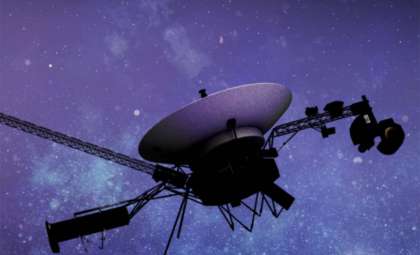
One of the longest-serving government computers remains active more than 25 billion kilometers (about 15.5 billion miles) away from Earth. This incredible device isn’t housed in a typical lab or government office, but rather aboard the Voyager spacecraft, launched in 1977. Despite its age and modest processing capabilities, the computer still streams crucial scientific data from the farthest edges of our solar system and beyond.
Voyager’s Vintage Computing Systems
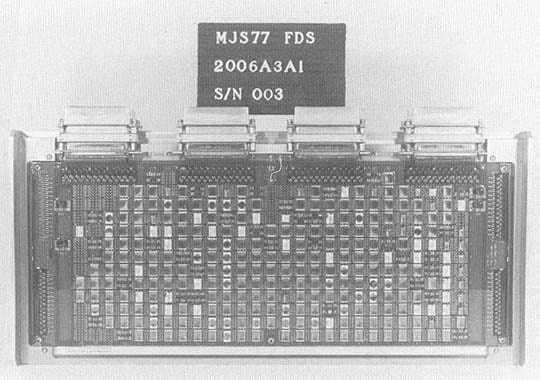
NASA’s Voyager 1 and 2 spacecraft, launched over 40 years ago, continue to stand as remarkable achievements in space exploration. Built by General Electric to NASA Jet Propulsion Laboratory standards, each Voyager carries six onboard computers split into three types: an 18-bit Computer Command System (CCS), a 16-bit Flight Data System (FDS), and an 18-bit Attitude and Articulation Control System (AACS). To safeguard against failures, two units of each type operate redundantly on the spacecraft.
Compared to present-day technology, Voyager’s processors are quite primitive, running at just 250 KHz. Modern smartphones, by contrast, feature processors running at speeds exceeding 1 GHz.

NASA explains that Voyager’s computers perform about 8,000 instructions per second, with each instruction taking roughly 80 microseconds. In comparison, a 2013 high-end smartphone operating at 1.5 GHz with multiple cores can execute over 14 billion instructions per second. This stark difference highlights the vast technological advancements since Voyager’s launch.
Data Storage Constraints in Deep Space
The spacecraft’s data storage capacity is exceptionally limited by today’s standards. Its 8-track digital tape recorder can hold just around 68 kilobytes — about the size of one standard JPEG image. Despite this tiny storage space, NASA engineers mastered clever ways to maximize its use by overwriting old data with new incoming information, ensuring continuous data transmission from the spacecraft.
These systems have been crucial for sending back images from distant worlds such as Jupiter and Saturn. To accommodate data transfer limitations, the Flight Data System adjusts its transmission speeds based on the data type.
For instance, full-resolution Jupiter images were sent at 115.2 kbps, each frame taking 48 seconds to transmit. For Saturn, data rates were even slower to ensure detailed images could be received despite limited bandwidth.
Software Enhancements for Timeworn Technology
While the original hardware onboard Voyager has remained the same, its software has undergone updates to resolve unexpected malfunctions. At one point, Voyager 1’s Flight Data System began sending corrupted data. NASA engineers responded by partitioning the faulty software and distributing those fragments throughout the spacecraft’s memory.
The space agency described how “any references to the location of that code in other parts of the FDS memory needed to be updated as well,” a complex process that restored normal spacecraft function.
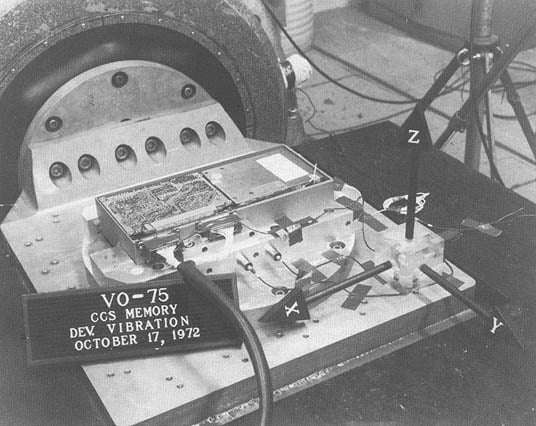
These software adaptations illustrate the creativity needed to sustain an antiquated system millions of miles from Earth. This enduring success also depends heavily on robust backup systems that instantly take over if a primary computer fails. Now operating from approximately 167 astronomical units (about 15.5 billion miles) away, Voyager continues to transmit invaluable data back to Earth.
- Categories:
- News




0 comments
Sign in to Comment